Old Testament
Ecclesiastes 4:6
Read the Bible in clear, modern English—easy to understand, faithful to the meaning, and written for everyday readers.
Better is a handful with quietness than both hands full with labor and chasing the wind.
Compare translations
Better is an handful with quietness, than both the hands full with travail and vexation of spirit.
What Ecclesiastes 4:6 means
Plain-English insight for readers
This verse highlights the value of simplicity and peace over the stress of excessive ambition. It suggests that having a little, accompanied by tranquility, is far better than having a lot but feeling overwhelmed and restless. The imagery of 'a handful' represents contentment, while 'both hands full' symbolizes the burdens we take on in pursuit of more. Chasing after wealth or success can lead to frustration and dissatisfaction, much like trying to catch the wind. The message encourages us to appreciate what we have and find joy in the present moment. It reminds us that true fulfillment comes not from material possessions but from inner peace and balance in our lives. In a world that often equates success with accumulation, this verse invites us to reconsider our priorities and seek a quieter, more meaningful existence. Ultimately, it teaches us that less can be more when it brings us serenity and joy in our daily lives, allowing us to focus on what truly matters to us.
How to apply Ecclesiastes 4:6 to your life
To apply this wisdom, take a moment to evaluate your life. Are you pursuing too much at the expense of your peace? Consider simplifying your commitments and focusing on what truly brings you joy. Embrace the idea that having less can lead to a more satisfying life experience. Find contentment in the present moment and cherish what you already have.
Curated for this public verse page. Ecclesiastes Summary
Explore more of the Bible
Learn the Bible through its people and places
Get to know the people in Scripture through illustrated stories, and explore the places where they lived and traveled.

Illustrated scene from Joseph, Jacob's son's story: Joseph Is Born (Genesis 30:22–24)
Meet the people of the Bible
Follow their lives in order, with illustrated scenes and Bible passages that tell their stories.
 Joseph, Jacob's son
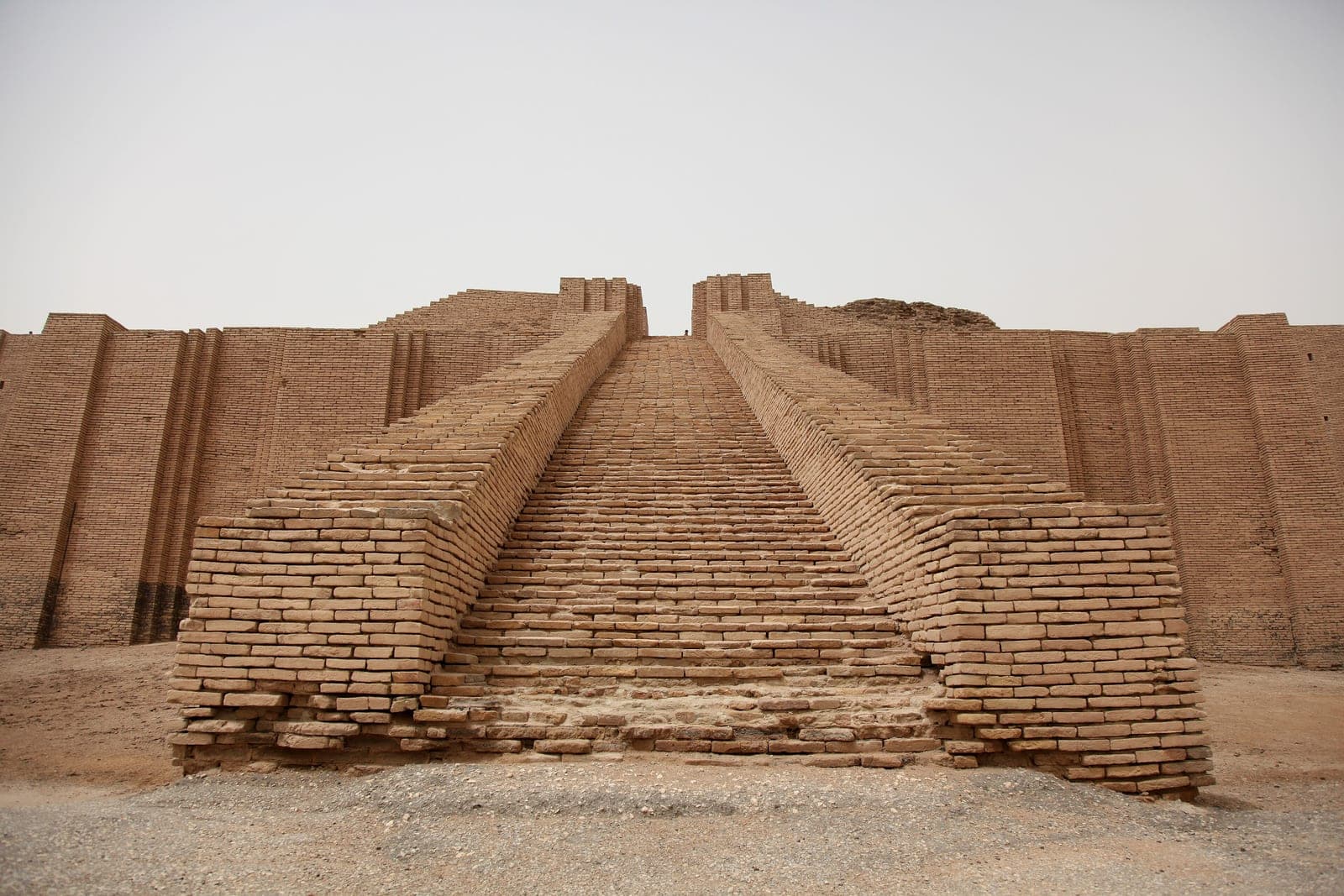
Photo: U.S. Army photo by Spc. Samantha R. Ciaramitaro, via DVIDS and Wikimedia Commons. License: Public domain in the United States — U.S. federal-government work. Source. Location: Great Ziggurat, Ur Archaeological City (Tell el-Mukayyar), Dhi Qar Governorate, Iraq. Resized for the web.
Explore the places of the Bible
See where biblical events happened, why each place matters, and what archaeology helps us understand.
Ur
The city Abram's family left to travel toward Canaan.
Get full access with one subscription
Explore the people and places of the Bible. Read summaries of every book, with images and clear explanations covering every chapter. Access all these features and our Bible study tools with one subscription.
See PlansAsk AI about Ecclesiastes 4:6
Ask a question about this verse and get a clear answer, with Bible references you can read for yourself.
Fuller verse explanations
Explore what a verse means, what was happening around it, and how it connects to other Bible passages.
Plain Meaning
A small amount gained in peace is better than a large amount gained through hard, bitter effort. Having less but living calmly beats having more if the cost is constant strain and misery.
Read It in Context
Verse 4 says all hard work leads to envy from neighbors. Verse 5 warns against the other extreme: the fool who does nothing wastes away. Verse 6 lands between those two. Not total rest, not grinding toil — but enough work to live quietly.
The full Clear view adds what to notice, common misreadings, and the passage that best explains this one — for Ecclesiastes 4:6 and any verse in the Bible.
Every Bible book, explained chapter by chapter
Explore summaries of every book of the Bible, with images and easy-to-understand explanations covering every chapter.
Keep studying Ecclesiastes 4:6
Related Bible verses
Key themes
Related topics
At a Glance — the Book of Ecclesiastes
- Author
- Traditionally attributed to Solomon
- Written
- Around 935 BC
- Genre
- Wisdom literature
- Original Audience
- Those searching for life's meaning
Frequently Asked Questions
Quick, clear answers about this verse
What does Ecclesiastes 4:6 mean?
Ecclesiastes 4:6 emphasizes the importance of finding peace and contentment in life rather than constantly striving for more. It suggests that having a little, along with tranquility, is better than being overwhelmed by the pursuit of wealth or success.
What is the meaning of 'chasing the wind' in Ecclesiastes 4:6?
'Chasing the wind' in Ecclesiastes 4:6 symbolizes futile efforts or pursuits that lead to frustration. It reflects the idea that striving for excessive ambition can result in dissatisfaction, much like trying to catch something that is unattainable.
How can I apply Ecclesiastes 4:6 to my life?
To apply Ecclesiastes 4:6, assess your commitments and consider simplifying your life. Focus on what truly brings you joy and find contentment in the present, recognizing that less can lead to a more fulfilling experience.
What themes are present in Ecclesiastes 4:6?
The themes in Ecclesiastes 4:6 include contentment, peace, simplicity, ambition, and fulfillment. The verse encourages a shift in perspective towards valuing tranquility and meaningful living over material accumulation.
Daily Verse — straight to your inbox
A verse and a 2-sentence plain-English explanation, every morning. Free. Unsubscribe anytime.