Old Testament
Exodus 12:3
Read the Bible in clear, modern English—easy to understand, faithful to the meaning, and written for everyday readers.
Tell the whole community of Israel: On the 10th day of this month, every family must select a lamb — one lamb per household.
Compare translations
Speak ye unto all the congregation of Israel, saying, In the tenth day of this month they shall take to them every man a lamb, according to the house of their fathers, a lamb for an house:
What Exodus 12:3 means
Plain-English insight for readers
In this passage, God instructs the people of Israel to gather together and choose a lamb for each household on the 10th day of the month. This lamb is not just any lamb; it represents a significant act of obedience and preparation for a coming event. Each family must select a perfect lamb, symbolizing purity and sacrifice. This act is a communal responsibility, emphasizing unity among the families. The lamb will play a crucial role in the upcoming Passover, where its blood will protect them from impending danger. By following this command, the Israelites demonstrate their faith and trust in God’s plan. This moment marks a pivotal point in their journey, reminding them of their identity and purpose as a chosen people. The act of selecting the lamb is a tangible way for families to engage with their faith and prepare for what lies ahead, reinforcing the importance of community and shared beliefs in their lives. It’s a call to action that resonates through generations, inviting us to reflect on our own choices and commitments.
How to apply Exodus 12:3 to your life
Consider what it means to prepare for significant moments in your life. Just as the Israelites selected a lamb, think about what you need to choose or commit to in your own journey. Reflect on how your choices impact your community and relationships, fostering unity and shared purpose among those around you. Embrace the importance of faith in your decisions and actions, trusting in a greater plan ahead.
Curated for this public verse page. Exodus Summary
Learn the Bible through its people and places
Get to know the people in Scripture through illustrated stories, and explore the places where they lived and traveled.

Illustrated scene from Moses's story: The First Passover (Exodus 12:1–28)
Meet the people of the Bible
Follow their lives in order, with illustrated scenes and Bible passages that tell their stories.
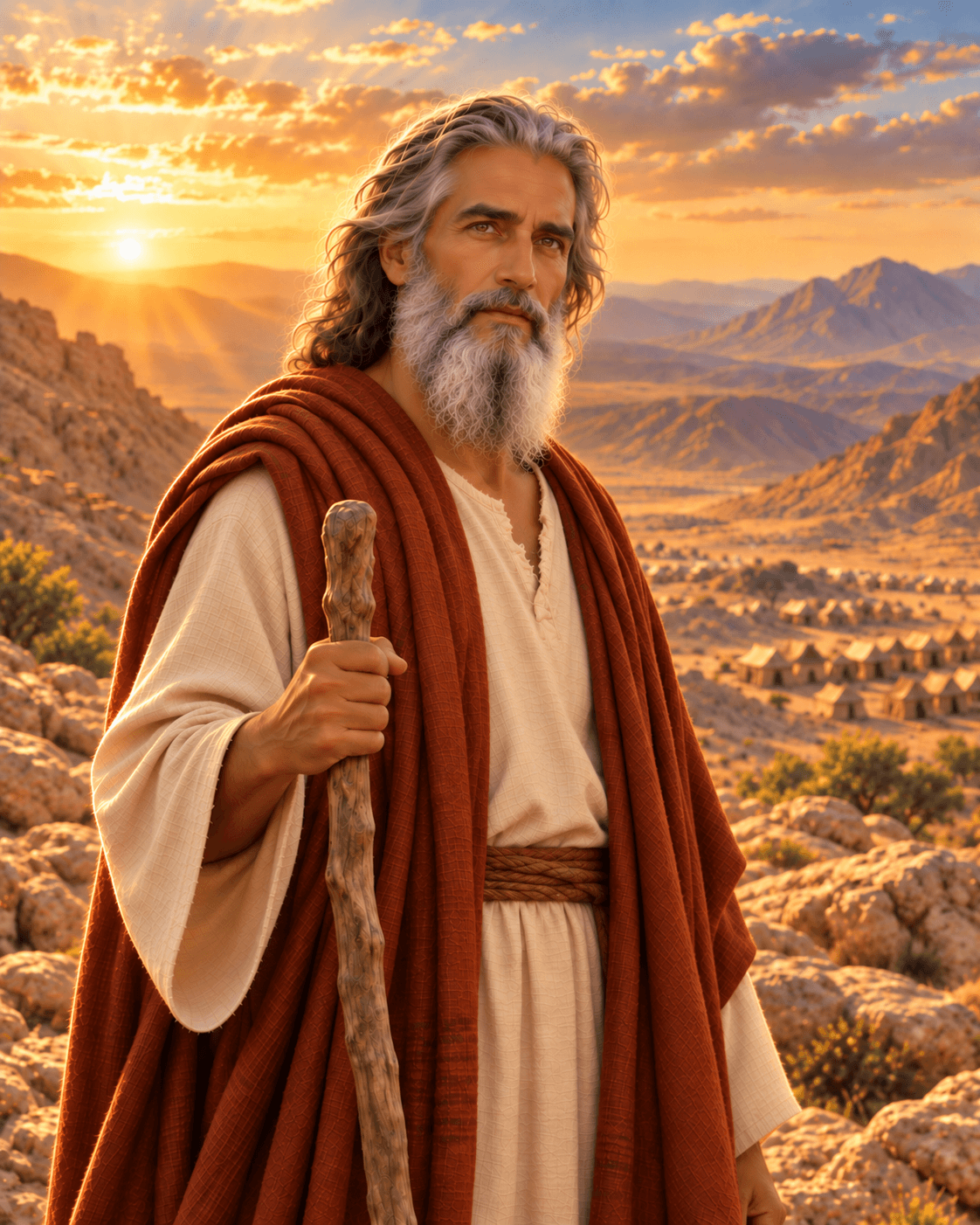 Moses
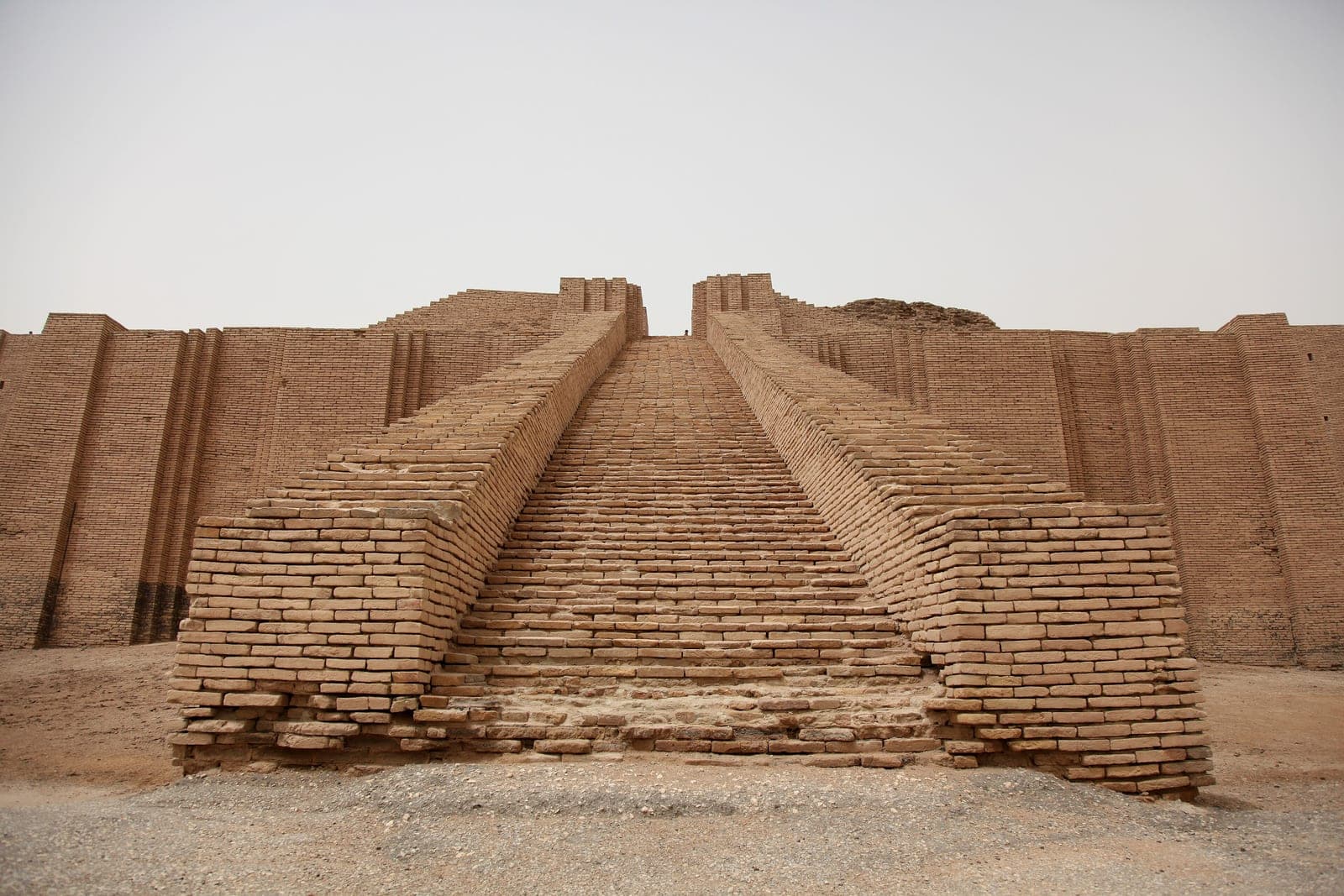
Photo: U.S. Army photo by Spc. Samantha R. Ciaramitaro, via DVIDS and Wikimedia Commons. License: Public domain in the United States — U.S. federal-government work. Source. Location: Great Ziggurat, Ur Archaeological City (Tell el-Mukayyar), Dhi Qar Governorate, Iraq. Resized for the web.
Explore the places of the Bible
See where biblical events happened, why each place matters, and what archaeology helps us understand.
Ur
The city Abram's family left to travel toward Canaan.
Get full access with one subscription
Explore the people and places of the Bible. Read summaries of every book, with images and clear explanations covering every chapter. Access all these features and our Bible study tools with one subscription.
See PlansAsk AI about Exodus 12:3
Ask a question about this verse and get a clear answer, with Bible references you can read for yourself.
Every Bible book, explained chapter by chapter
Explore summaries of every book of the Bible, with images and easy-to-understand explanations covering every chapter.
Keep studying Exodus 12:3
Related Bible verses
At a Glance — the Book of Exodus
- Author
- Traditionally attributed to Moses
- Written
- Around 1400 BC
- Genre
- Law (Pentateuch)
- Original Audience
- The Israelites in the wilderness
Frequently Asked Questions
Quick, clear answers about this verse
What does Exodus 12:3 mean?
Exodus 12:3 instructs the Israelites to select a lamb for each household on the 10th day of the month. This act symbolizes obedience and preparation for the Passover, where the lamb's blood will protect them from danger.
What is the significance of the lamb in Exodus 12:3?
The lamb in Exodus 12:3 represents purity and sacrifice, serving as a crucial element in the Passover celebration. Each family’s selection of a perfect lamb emphasizes their commitment to God’s instructions and their unity as a community.
What does the phrase 'one lamb per household' mean in Exodus 12:3?
The phrase 'one lamb per household' in Exodus 12:3 indicates that each family was responsible for selecting their own lamb. This highlights the communal aspect of the Passover, where each household participates in a shared act of faith and obedience.
How does Exodus 12:3 relate to community and faith?
Exodus 12:3 emphasizes community by requiring each family to select a lamb together, reinforcing their shared beliefs and responsibilities. This act of faith prepares them for the Passover and strengthens their identity as a chosen people.
Daily Verse — straight to your inbox
A verse and a 2-sentence plain-English explanation, every morning. Free. Unsubscribe anytime.