Old Testament
Exodus 12:34
Read the Bible in clear, modern English—easy to understand, faithful to the meaning, and written for everyday readers.
So the people took their dough before it was leavened, wrapped their kneading bowls in cloth, and carried them on their shoulders.
Compare translations
And the people took their dough before it was leavened, their kneadingtroughs being bound up in their clothes upon their shoulders.
What Exodus 12:34 means
Plain-English insight for readers
In this moment, the people of Israel are preparing to leave Egypt in haste. They take their dough before it has risen, showing their urgency and readiness to escape. The kneading bowls, essential for making bread, are wrapped in cloth and carried on their shoulders. This act symbolizes their departure from slavery and their journey toward freedom. The dough represents their hope for a new beginning, while the kneading bowls signify the life they are leaving behind. By taking these items, they are not just fleeing; they are also holding onto their identity and culture. This preparation reflects their faith in a promised future, even when the path ahead is uncertain. It’s a powerful reminder that sometimes we must act quickly and decisively to embrace change and pursue our dreams, even if it means leaving behind what is familiar. Their actions teach us about the importance of being ready for new opportunities and trusting in a greater plan for our lives. Every step they take is a step toward liberation and a new chapter.
How to apply Exodus 12:34 to your life
When faced with change, be prepared to act swiftly. Like the Israelites, we may need to let go of the past to embrace new opportunities. Trust that taking decisive steps can lead to a brighter future. Hold onto your identity as you move forward, and have faith in the journey ahead. Every ending can be a new beginning if we choose to see it that way.
Curated for this public verse page. Exodus Summary
Learn the Bible through its people and places
Get to know the people in Scripture through illustrated stories, and explore the places where they lived and traveled.

Illustrated scene from Moses's story: Israel Leaves Egypt (Exodus 12:29–42)
Meet the people of the Bible
Follow their lives in order, with illustrated scenes and Bible passages that tell their stories.
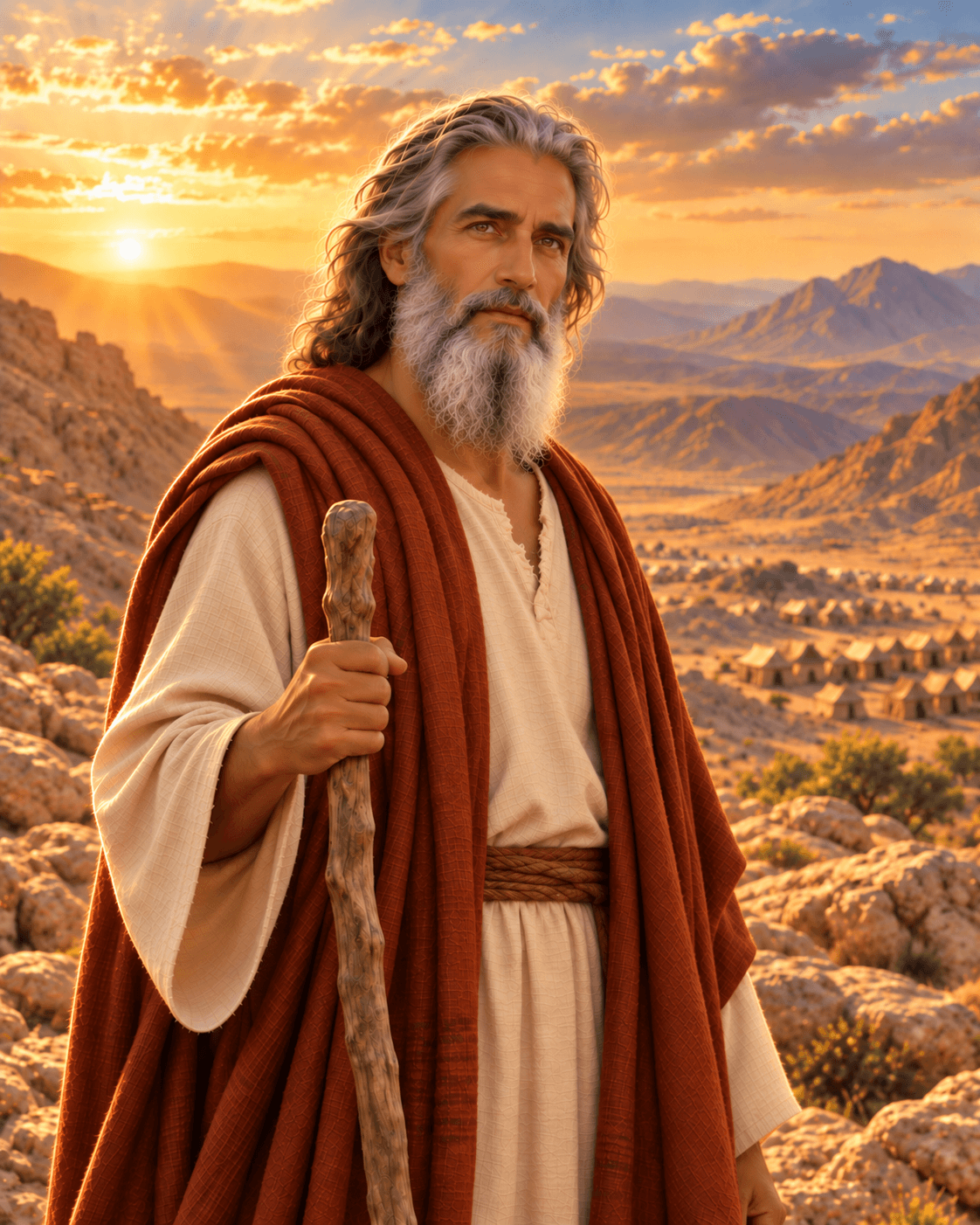 Moses
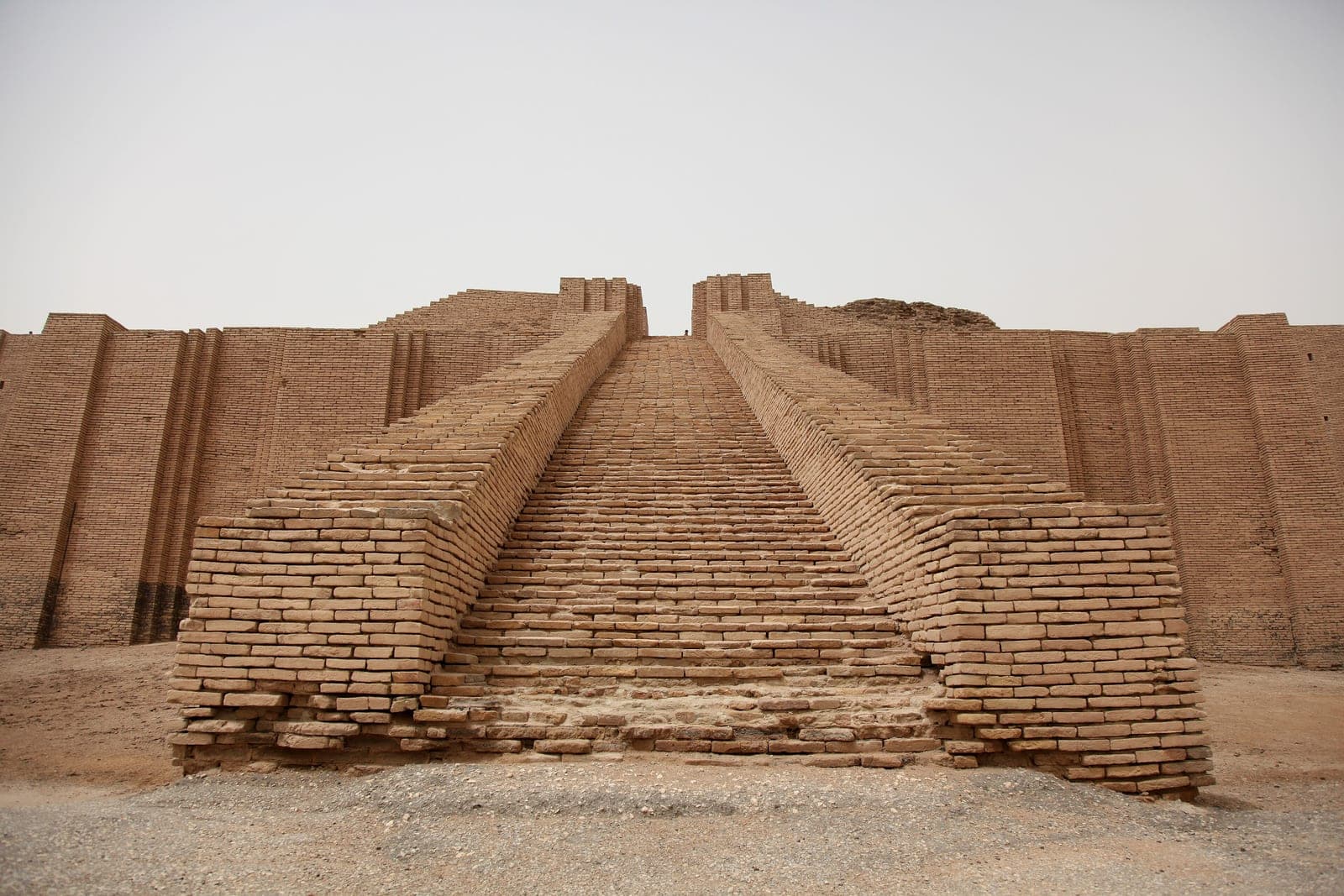
Photo: U.S. Army photo by Spc. Samantha R. Ciaramitaro, via DVIDS and Wikimedia Commons. License: Public domain in the United States — U.S. federal-government work. Source. Location: Great Ziggurat, Ur Archaeological City (Tell el-Mukayyar), Dhi Qar Governorate, Iraq. Resized for the web.
Explore the places of the Bible
See where biblical events happened, why each place matters, and what archaeology helps us understand.
Ur
The city Abram's family left to travel toward Canaan.
Get full access with one subscription
Explore the people and places of the Bible. Read summaries of every book, with images and clear explanations covering every chapter. Access all these features and our Bible study tools with one subscription.
See PlansAsk AI about Exodus 12:34
Ask a question about this verse and get a clear answer, with Bible references you can read for yourself.
Every Bible book, explained chapter by chapter
Explore summaries of every book of the Bible, with images and easy-to-understand explanations covering every chapter.
Keep studying Exodus 12:34
Related Bible verses
At a Glance — the Book of Exodus
- Author
- Traditionally attributed to Moses
- Written
- Around 1400 BC
- Genre
- Law (Pentateuch)
- Original Audience
- The Israelites in the wilderness
Frequently Asked Questions
Quick, clear answers about this verse
What does Exodus 12:34 mean?
Exodus 12:34 describes the Israelites taking their unrisen dough and kneading bowls as they prepare to leave Egypt quickly. This act symbolizes their urgency to escape slavery and their hope for a new beginning.
What is the significance of the dough in Exodus 12:34?
The dough in Exodus 12:34 represents the Israelites' hope for a new life and future. By taking it before it was leavened, they show their readiness to leave behind their old life and embrace freedom.
What does the kneading bowl symbolize in Exodus 12:34?
In Exodus 12:34, the kneading bowl symbolizes the life and identity the Israelites are leaving behind. It reflects their cultural practices and the importance of their heritage as they embark on a new journey.
What themes are present in Exodus 12:34?
Exodus 12:34 highlights themes of urgency, freedom, identity, faith, and new beginnings. It emphasizes the need to act quickly in the face of change while holding onto one's cultural roots.
Daily Verse — straight to your inbox
A verse and a 2-sentence plain-English explanation, every morning. Free. Unsubscribe anytime.