Old Testament
Exodus 20:13
Read the Bible in clear, modern English—easy to understand, faithful to the meaning, and written for everyday readers.
"You must not murder.
Compare translations
Thou shalt not kill.
What Exodus 20:13 means
Plain-English insight for readers
The commandment 'You must not murder' emphasizes the value of human life. It calls us to respect and protect the lives of others, recognizing that each person is created with dignity. This command goes beyond just the act of killing; it includes harboring hatred or anger towards others. It challenges us to cultivate love and compassion instead of violence. By understanding this commandment, we learn the importance of resolving conflicts peacefully and valuing every individual. It serves as a reminder that our actions and words can either uplift or harm those around us. Ultimately, this commandment encourages us to reflect on our relationships and strive for harmony in our communities, fostering a culture of respect and understanding. Living by this principle can transform our interactions and lead to a more peaceful society, where life is cherished and protected at all costs. In essence, this commandment is about choosing life and love over destruction and hate, guiding us toward a more compassionate existence.
How to apply Exodus 20:13 to your life
To apply this commandment, we should actively seek to resolve conflicts without resorting to anger or violence. Practice kindness and understanding in your daily interactions. Reflect on how your words and actions impact others, and strive to promote peace in your community. Choose to uplift rather than harm those around you. Every small act of kindness counts towards a more loving world.
Curated for this public verse page. Exodus Summary
Learn the Bible through its people and places
Get to know the people in Scripture through illustrated stories, and explore the places where they lived and traveled.

Illustrated scene from Moses's story: The Ten Commandments (Exodus 20:1–21)
Meet the people of the Bible
Follow their lives in order, with illustrated scenes and Bible passages that tell their stories.
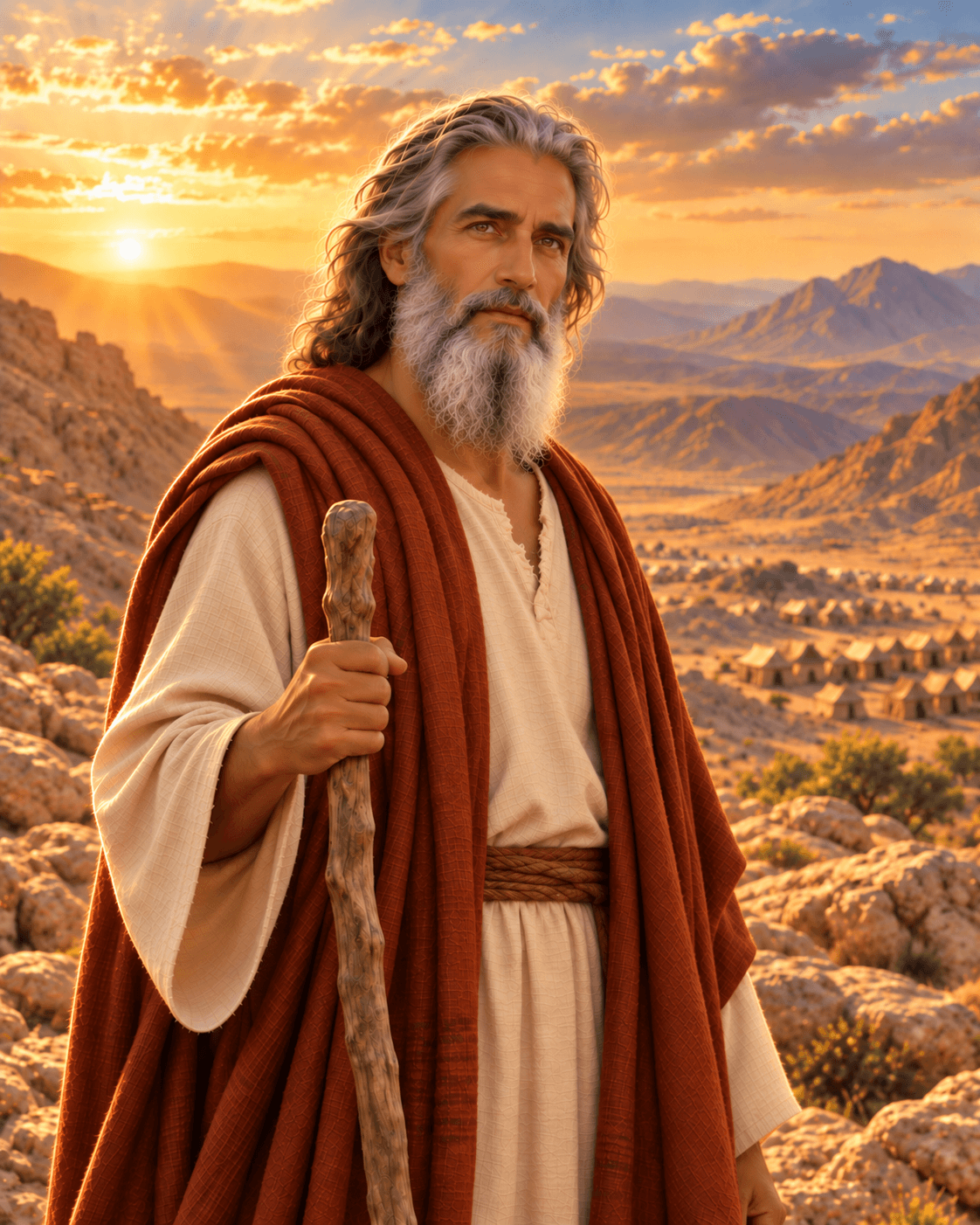 Moses
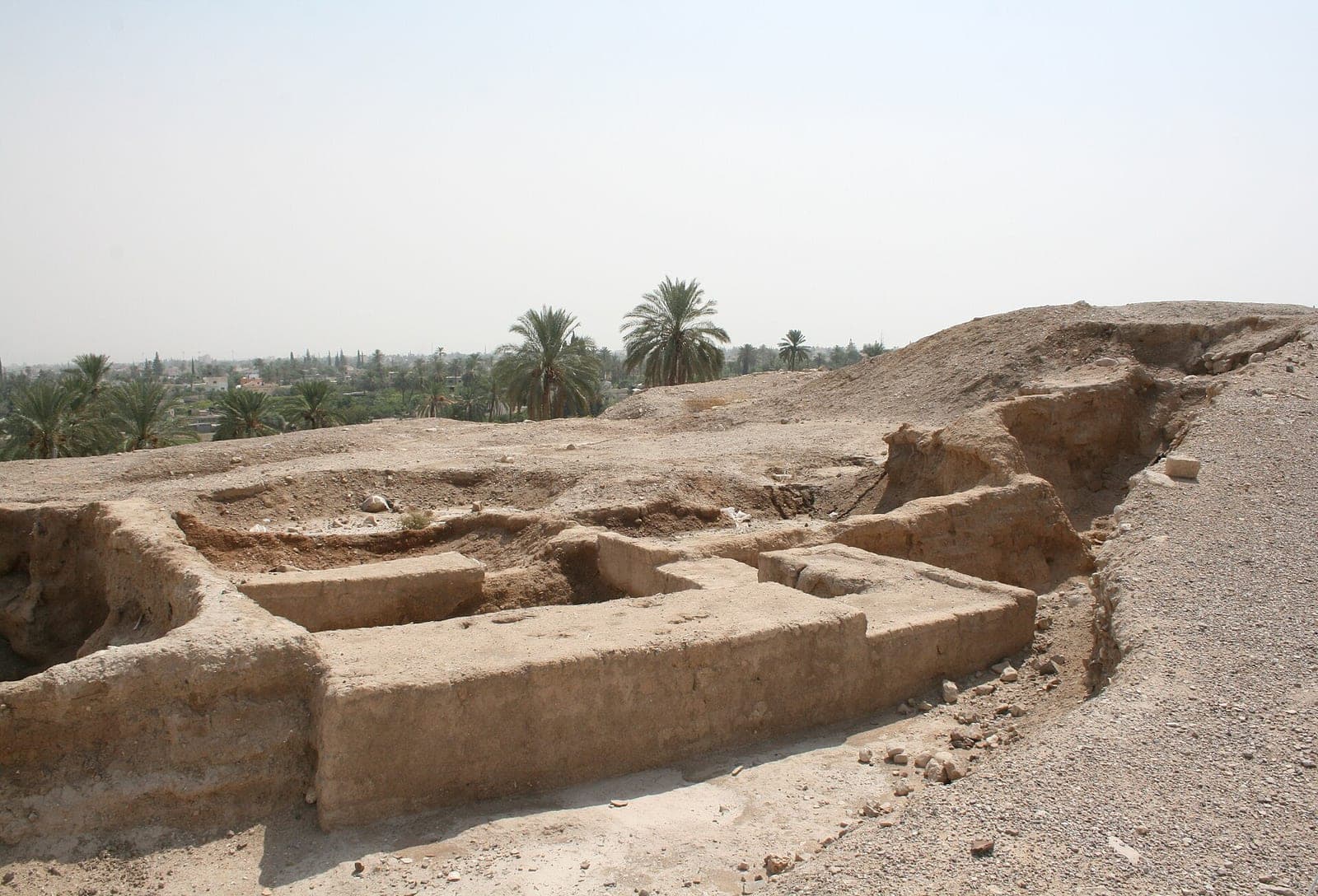
Photo: Diego Delso, via Wikimedia Commons. License: CC BY-SA 3.0. Source. Location: Tell es-Sultan, Jericho, West Bank. Resized for the web.
Explore the places of the Bible
See where biblical events happened, why each place matters, and what archaeology helps us understand.
Jericho
The city of palm trees, whose walls fell in Joshua's day.
Get full access with one subscription
Explore the people and places of the Bible. Read summaries of every book, with images and clear explanations covering every chapter. Access all these features and our Bible study tools with one subscription.
See PlansAsk AI about Exodus 20:13
Ask a question about this verse and get a clear answer, with Bible references you can read for yourself.
Every Bible book, explained chapter by chapter
Explore summaries of every book of the Bible, with images and easy-to-understand explanations covering every chapter.
Keep studying Exodus 20:13
Related Bible verses
Key themes
Related topics
At a Glance — the Book of Exodus
- Author
- Traditionally attributed to Moses
- Written
- Around 1400 BC
- Genre
- Law (Pentateuch)
- Original Audience
- The Israelites in the wilderness
Frequently Asked Questions
Quick, clear answers about this verse
What does Exodus 20:13 mean?
Exodus 20:13 means that we should not take the life of another person. It emphasizes the importance of valuing human life and encourages us to foster love and compassion instead of violence.
What is the meaning of 'You must not murder' in Exodus 20:13?
'You must not murder' in Exodus 20:13 highlights the sanctity of life and calls for respect towards others. It goes beyond just killing to include avoiding hatred and anger.
How can I apply Exodus 20:13 in my life?
You can apply Exodus 20:13 by choosing to resolve conflicts without violence and by practicing kindness in your daily interactions. Focus on uplifting others and promoting peace in your community.
Daily Verse — straight to your inbox
A verse and a 2-sentence plain-English explanation, every morning. Free. Unsubscribe anytime.