Old Testament
Exodus 20:4
Read the Bible in clear, modern English—easy to understand, faithful to the meaning, and written for everyday readers.
"You must not make an idol for yourself — no carved image of anything in the heavens above, on the earth below, or in the waters beneath the earth.
Compare translations
Thou shalt not make unto thee any graven image, or any likeness of any thing that is in heaven above, or that is in the earth beneath, or that is in the water under the earth:
What Exodus 20:4 means
Plain-English insight for readers
This command warns against creating idols, which are physical representations of gods or divine beings. It emphasizes that God is beyond any image or form we might try to capture. The focus is on worshiping the unseen God, who is not limited to our understanding or imagination. By forbidding idols, this command encourages a direct relationship with God, free from distractions. It reminds us that true worship comes from the heart, not from objects we can see or touch. This principle is about recognizing the greatness of God and avoiding anything that might take His place in our lives. It challenges us to reflect on what we prioritize and worship in our daily lives, urging us to seek a deeper connection with the divine. Ultimately, it calls us to honor God in a way that is authentic and personal, rather than through mere rituals or physical representations that can mislead us about His true nature. This command invites us to explore faith in a more profound and meaningful way.
How to apply Exodus 20:4 to your life
Consider what occupies your thoughts and affections. Are there things in your life that distract you from a genuine relationship with God? Make a conscious effort to prioritize your spiritual life and seek God directly, without relying on physical representations or distractions. Engage in practices that deepen your faith and understanding of God’s nature. Reflect on your values and ensure they align with your commitment to God.
Curated for this public verse page. Exodus Summary
Learn the Bible through its people and places
Get to know the people in Scripture through illustrated stories, and explore the places where they lived and traveled.

Illustrated scene from Moses's story: The Ten Commandments (Exodus 20:1–21)
Meet the people of the Bible
Follow their lives in order, with illustrated scenes and Bible passages that tell their stories.
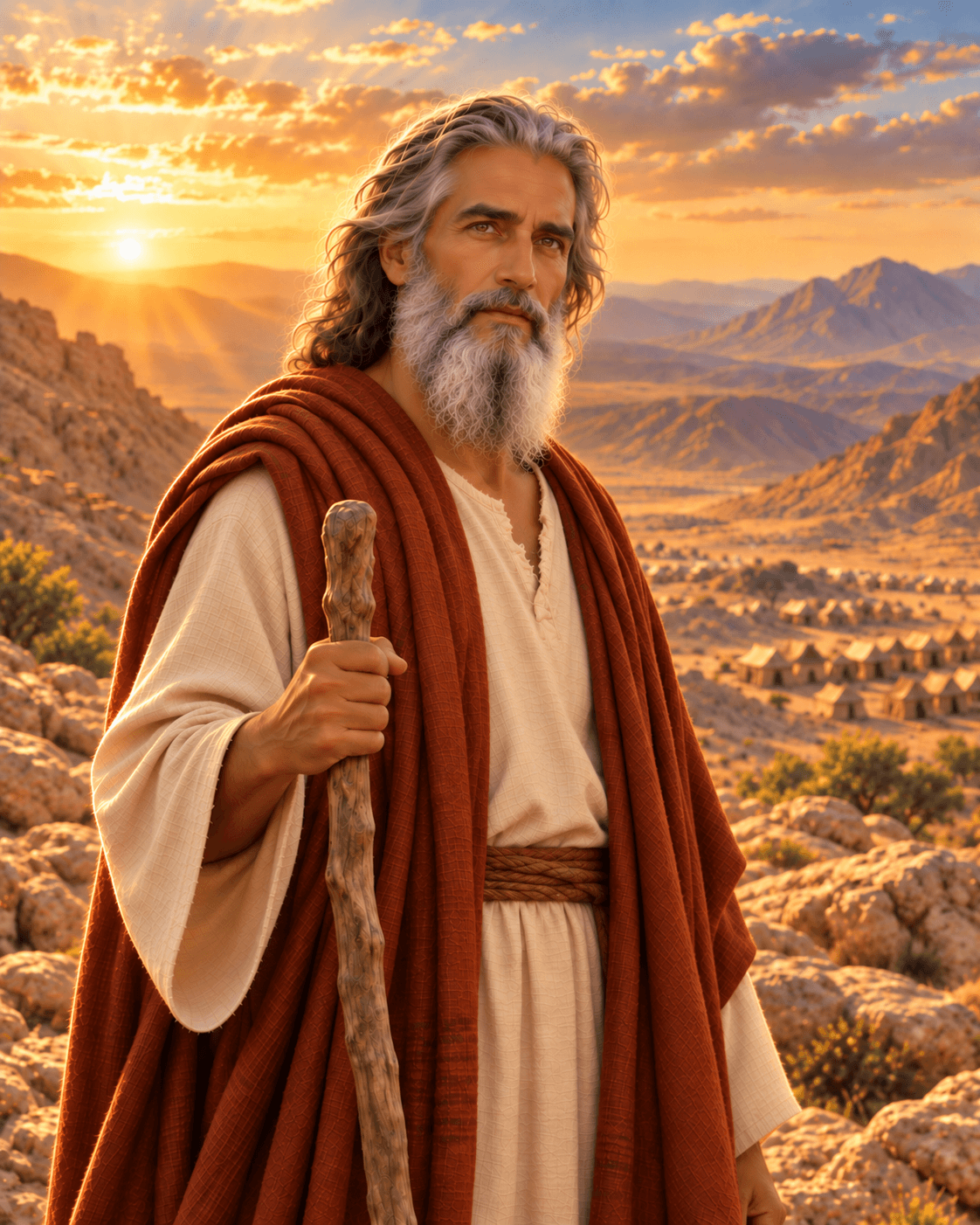 Moses
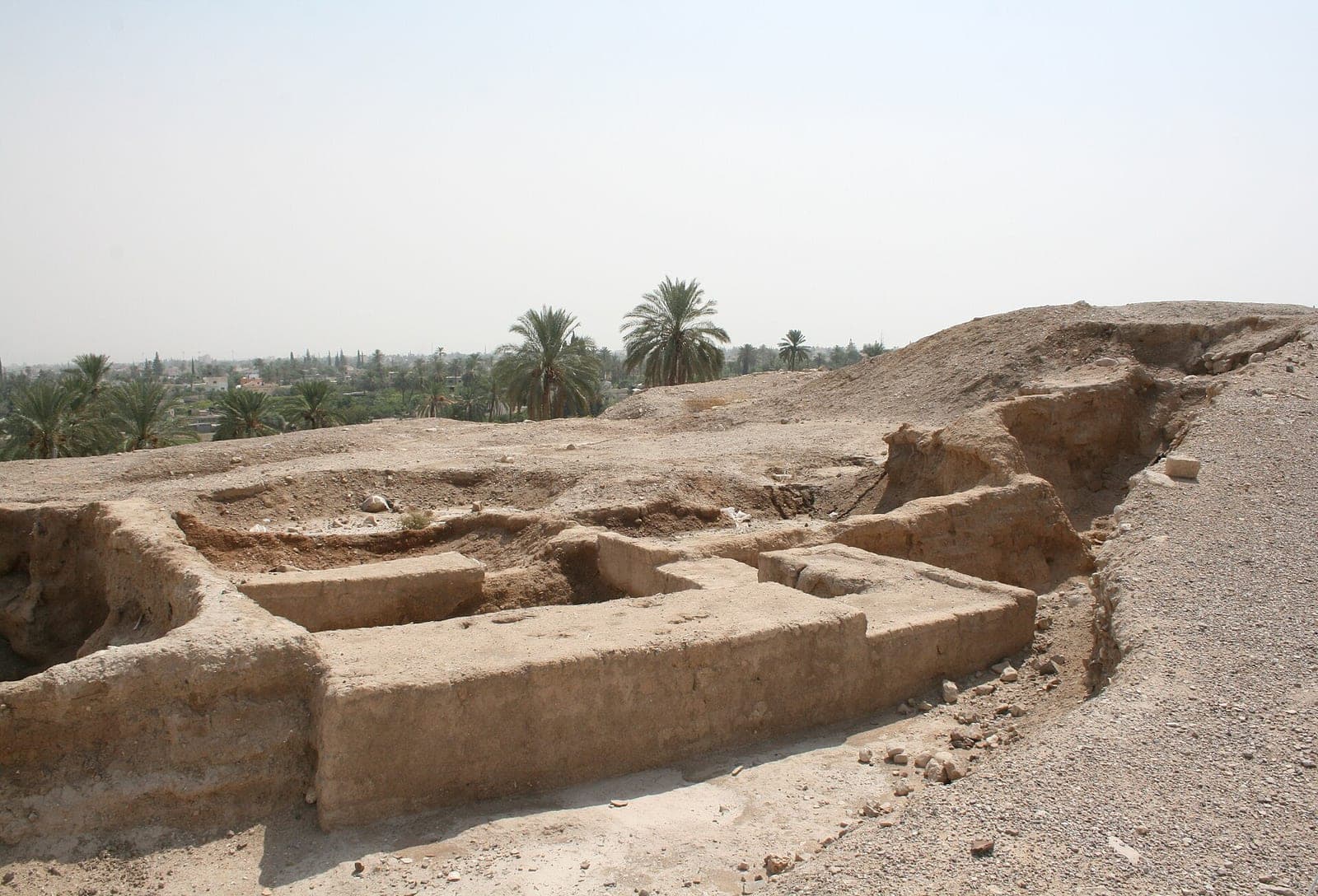
Photo: Diego Delso, via Wikimedia Commons. License: CC BY-SA 3.0. Source. Location: Tell es-Sultan, Jericho, West Bank. Resized for the web.
Explore the places of the Bible
See where biblical events happened, why each place matters, and what archaeology helps us understand.
Jericho
The city of palm trees, whose walls fell in Joshua's day.
Get full access with one subscription
Explore the people and places of the Bible. Read summaries of every book, with images and clear explanations covering every chapter. Access all these features and our Bible study tools with one subscription.
See PlansAsk AI about Exodus 20:4
Ask a question about this verse and get a clear answer, with Bible references you can read for yourself.
Every Bible book, explained chapter by chapter
Explore summaries of every book of the Bible, with images and easy-to-understand explanations covering every chapter.
Keep studying Exodus 20:4
Related Bible verses
Related topics
At a Glance — the Book of Exodus
- Author
- Traditionally attributed to Moses
- Written
- Around 1400 BC
- Genre
- Law (Pentateuch)
- Original Audience
- The Israelites in the wilderness
Frequently Asked Questions
Quick, clear answers about this verse
What does Exodus 20:4 mean?
Exodus 20:4 means that people should not create physical idols or images to represent God. It emphasizes that God is beyond any form we can imagine and encourages direct worship of the unseen God.
What is the meaning of idols in Exodus 20:4?
In Exodus 20:4, idols refer to physical representations or images made to worship as gods. The verse warns against these because they can distract from a true relationship with God.
How does Exodus 20:4 apply to modern life?
Exodus 20:4 applies to modern life by encouraging individuals to reflect on what they prioritize and worship. It challenges people to avoid distractions that may take the place of a genuine relationship with God.
Why is idolatry important in Exodus 20:4?
Idolatry is important in Exodus 20:4 because it represents a misunderstanding of God's nature. The commandment emphasizes that true worship should come from the heart, not from physical objects.
Daily Verse — straight to your inbox
A verse and a 2-sentence plain-English explanation, every morning. Free. Unsubscribe anytime.