Old Testament
Exodus 28:11
Read the Bible in clear, modern English—easy to understand, faithful to the meaning, and written for everyday readers.
Have a gem cutter engrave the 2 stones with the names of Israel's sons, the way a seal is engraved. Then mount the stones in gold settings.
Compare translations
With the work of an engraver in stone, like the engravings of a signet, shalt thou engrave the two stones with the names of the children of Israel: thou shalt make them to be set in ouches of gold.
What Exodus 28:11 means
Plain-English insight for readers
In this passage, God instructs Moses on how to create a special piece of jewelry for the high priest. The two stones will be engraved with the names of the twelve sons of Israel, symbolizing their importance and connection to God. The engraving is to be done like a seal, which signifies authenticity and authority. These stones will be set in gold, representing value and honor. This act serves as a reminder of the tribes' identity and their relationship with God. The high priest will wear this as a part of his garments, showing that he carries the people before God. This design emphasizes the significance of each tribe and their role in the community of Israel. It highlights the importance of remembering our roots and the people who came before us, as well as the value of our identity in a larger story. The craftsmanship involved also reflects the care and dedication required in serving God and others, making it a personal and meaningful act of devotion and representation.
How to apply Exodus 28:11 to your life
Consider how you represent your own community and heritage. Just as the high priest wore the names of the tribes, think about how you can honor your roots in your daily life. This could be through storytelling, traditions, or simply acknowledging those who have shaped you. Remember, your identity is part of a larger narrative that matters greatly to others around you. Embrace it with pride and purpose, just as the high priest did.
Curated for this public verse page. Exodus Summary
Explore more of the Bible
Learn the Bible through its people and places
Get to know the people in Scripture through illustrated stories, and explore the places where they lived and traveled.

Illustrated scene from David's story: Samuel Anoints David (1 Samuel 16:1–13)
Meet the people of the Bible
Follow their lives in order, with illustrated scenes and Bible passages that tell their stories.
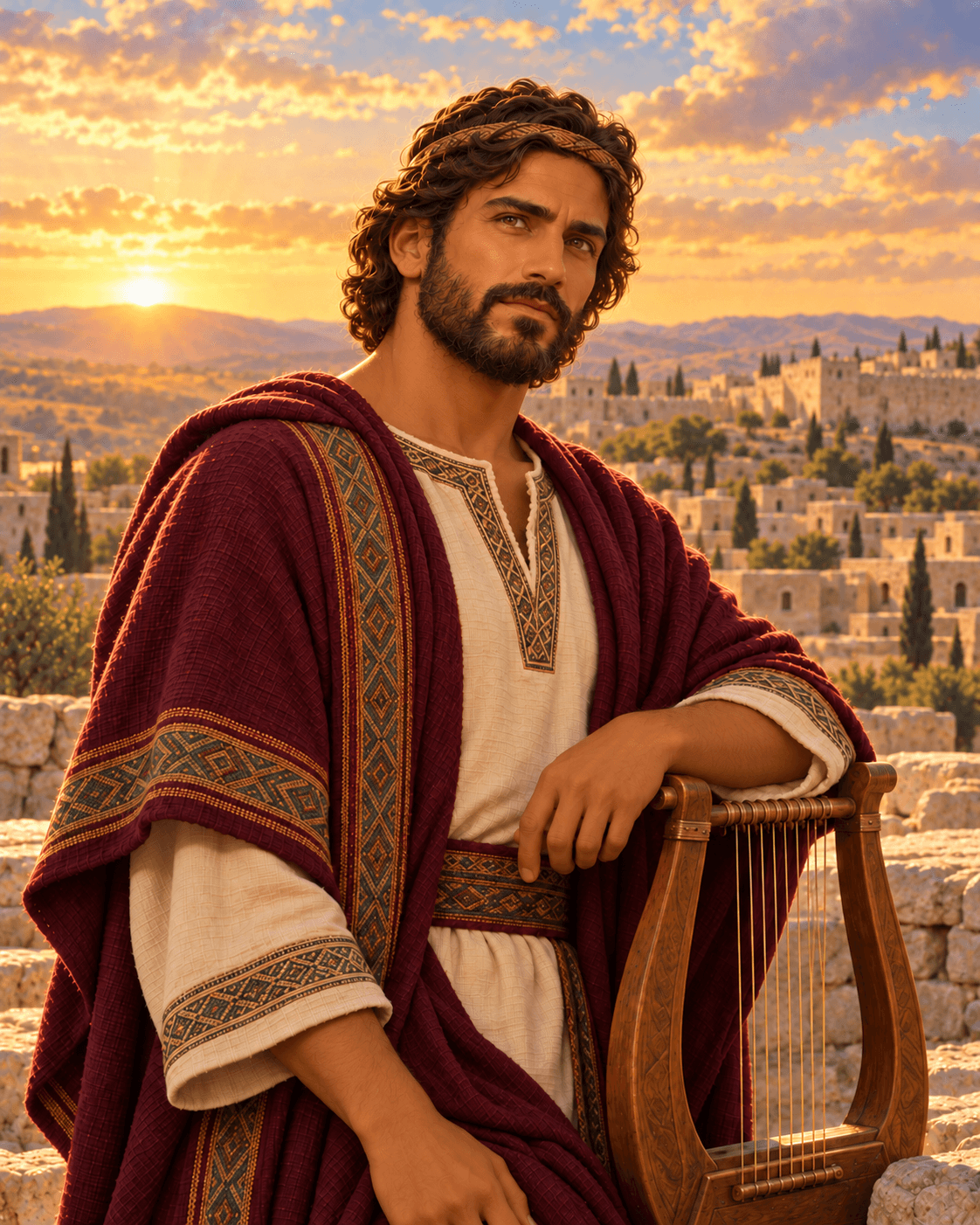 David
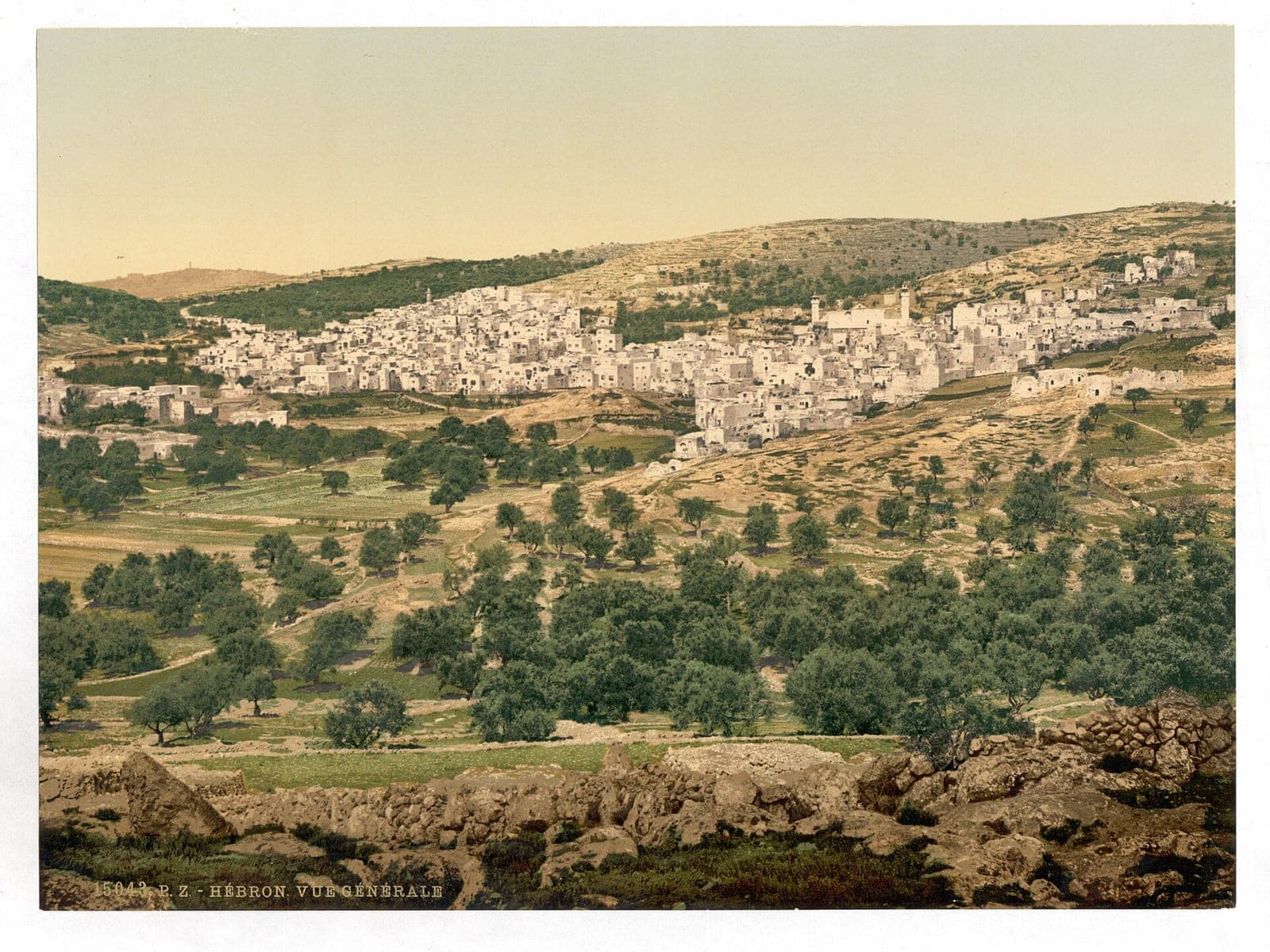
Photo: Photochrom print, Library of Congress Prints and Photographs Division (LCCN 2002724987). License: Public domain in the United States; Library of Congress states no known restrictions on publication. Source. Location: Hebron, West Bank; print preserved by the Library of Congress. Resized for the web.
Explore the places of the Bible
See where biblical events happened, why each place matters, and what archaeology helps us understand.
Hebron
Where Abraham lived and buried Sarah, and where David was first made king.
Get full access with one subscription
Explore the people and places of the Bible. Read summaries of every book, with images and clear explanations covering every chapter. Access all these features and our Bible study tools with one subscription.
See PlansAsk AI about Exodus 28:11
Ask a question about this verse and get a clear answer, with Bible references you can read for yourself.
Every Bible book, explained chapter by chapter
Explore summaries of every book of the Bible, with images and easy-to-understand explanations covering every chapter.
Keep studying Exodus 28:11
Related Bible verses
Related topics
At a Glance — the Book of Exodus
- Author
- Traditionally attributed to Moses
- Written
- Around 1400 BC
- Genre
- Law (Pentateuch)
- Original Audience
- The Israelites in the wilderness
Frequently Asked Questions
Quick, clear answers about this verse
What does Exodus 28:11 mean?
Exodus 28:11 describes God's instructions to Moses for creating a special piece of jewelry for the high priest, featuring two stones engraved with the names of the twelve sons of Israel. This symbolizes the tribes' importance and their connection to God.
What is the significance of the stones in Exodus 28:11?
The stones in Exodus 28:11 represent the twelve tribes of Israel, emphasizing their identity and relationship with God. The high priest wears these stones to carry the names of the tribes before God, highlighting their collective importance.
What does engraving like a seal mean in Exodus 28:11?
Engraving like a seal in Exodus 28:11 indicates that the names on the stones should be crafted with precision and care, signifying authenticity and authority. This method reflects the importance of the names and their representation of the tribes.
Why are the stones set in gold in Exodus 28:11?
The stones are set in gold in Exodus 28:11 to symbolize value and honor. Gold represents the significance of the high priest's role and the importance of the tribes he represents.
Daily Verse — straight to your inbox
A verse and a 2-sentence plain-English explanation, every morning. Free. Unsubscribe anytime.