Old Testament
Exodus 31:9
Read the Bible in clear, modern English—easy to understand, faithful to the meaning, and written for everyday readers.
the altar of burnt offering with all its utensils, and the basin with its stand,
Compare translations
And the altar of burnt offering with all his furniture, and the laver and his foot,
What Exodus 31:9 means
Plain-English insight for readers
In this passage, we see a description of important items used in worship. The altar of burnt offering is a significant place where sacrifices were made, symbolizing the need for atonement and connection with God. The utensils mentioned are tools that assist in the sacrificial process, highlighting the seriousness of worship. The basin with its stand is used for purification, emphasizing the importance of being clean and prepared before approaching God. These items are not just physical objects; they represent deeper spiritual truths about sacrifice, cleansing, and the relationship between humanity and the divine. Understanding these elements helps us appreciate the significance of worship and the preparation required to engage with God meaningfully. This passage reminds us that worship involves both physical actions and spiritual readiness, inviting us to reflect on our own practices and attitudes in our relationship with God. Each item serves a purpose, teaching us about reverence and the importance of approaching God with sincerity and purity.
How to apply Exodus 31:9 to your life
Consider how you prepare for moments of worship in your life. Are you taking time to reflect and cleanse your heart? Just as the altar and basin were essential for worship, so too should our hearts be ready to connect with God. Make space for sincerity in your spiritual practices, ensuring you approach God with intention and purity of heart. This can transform your worship experience significantly, making it more meaningful and impactful.
Curated for this public verse page. Exodus Summary
Explore more of the Bible
Learn the Bible through its people and places
Get to know the people in Scripture through illustrated stories, and explore the places where they lived and traveled.

Illustrated scene from Noah's story: Noah Is Born (Genesis 5:28–32)
Meet the people of the Bible
Follow their lives in order, with illustrated scenes and Bible passages that tell their stories.
 Noah
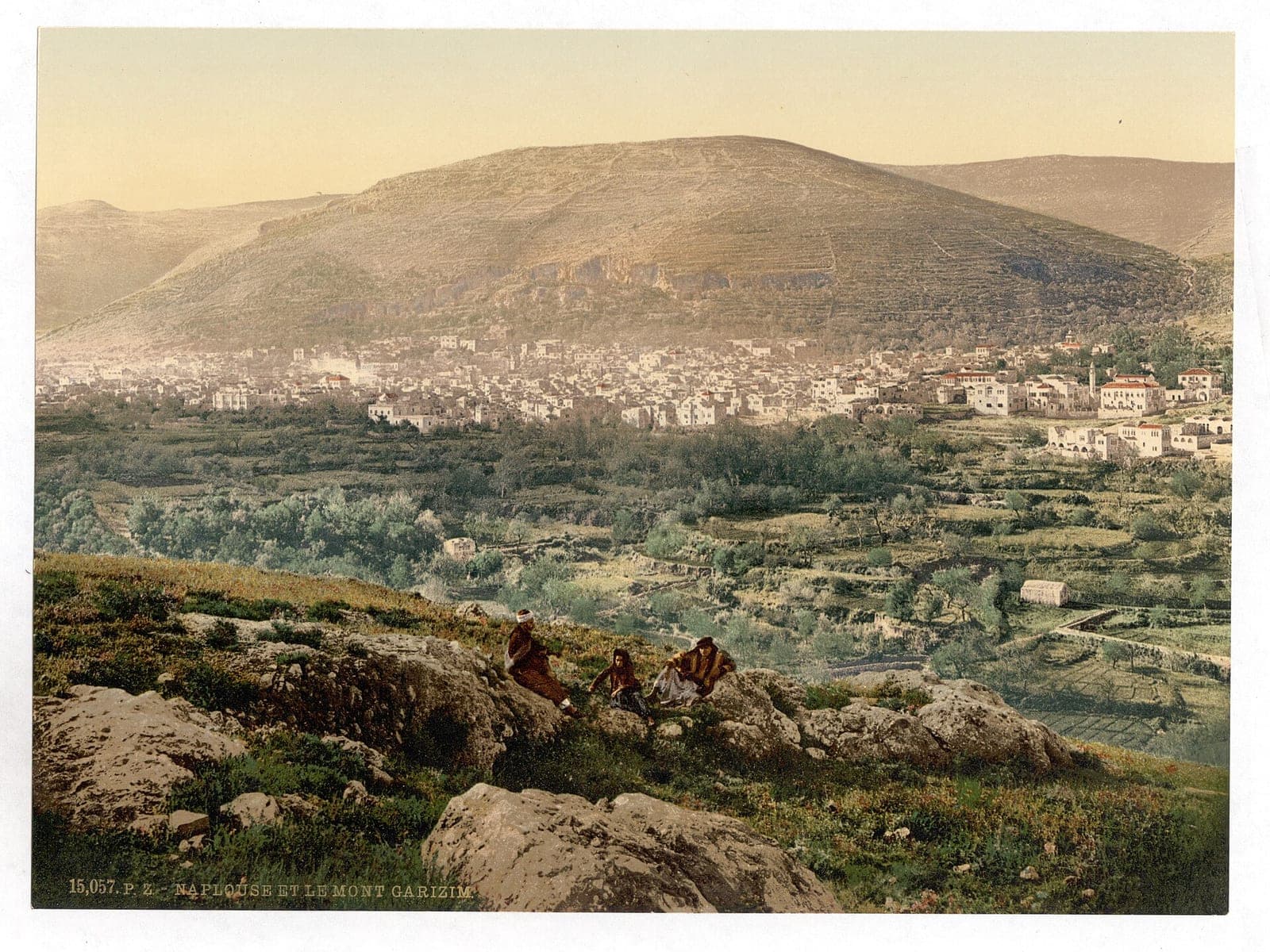
Photo: Photochrom print, Library of Congress Prints and Photographs Division (LCCN 2002725043). License: Public domain in the United States; Library of Congress states no known restrictions on publication. Source. Location: Nablus and Mount Gerizim, West Bank; print preserved by the Library of Congress. Resized for the web.
Explore the places of the Bible
See where biblical events happened, why each place matters, and what archaeology helps us understand.
Shechem
Where God promised the land to Abram, and where Joshua led Israel to renew the covenant.
Get full access with one subscription
Explore the people and places of the Bible. Read summaries of every book, with images and clear explanations covering every chapter. Access all these features and our Bible study tools with one subscription.
See PlansAsk AI about Exodus 31:9
Ask a question about this verse and get a clear answer, with Bible references you can read for yourself.
Every Bible book, explained chapter by chapter
Explore summaries of every book of the Bible, with images and easy-to-understand explanations covering every chapter.
Keep studying Exodus 31:9
Related Bible verses
Related topics
At a Glance — the Book of Exodus
- Author
- Traditionally attributed to Moses
- Written
- Around 1400 BC
- Genre
- Law (Pentateuch)
- Original Audience
- The Israelites in the wilderness
Frequently Asked Questions
Quick, clear answers about this verse
What does Exodus 31:9 mean?
Exodus 31:9 describes the altar of burnt offering and the basin used in worship. These items symbolize the importance of sacrifice and purification in approaching God.
What is the significance of the altar of burnt offering in Exodus 31:9?
The altar of burnt offering is crucial for making sacrifices, representing atonement and the need for a connection with God through worship.
What does the basin with its stand represent in Exodus 31:9?
The basin and its stand symbolize the need for purification before worship, highlighting the importance of being spiritually clean when approaching God.
What are the utensils mentioned in Exodus 31:9?
The utensils are tools used in the sacrificial process, emphasizing the seriousness and intentionality required in acts of worship.
Daily Verse — straight to your inbox
A verse and a 2-sentence plain-English explanation, every morning. Free. Unsubscribe anytime.