Old Testament
Ezekiel 40:39
Read the Bible in clear, modern English—easy to understand, faithful to the meaning, and written for everyday readers.
In the porch of the gate, there were two tables on each side for slaughtering the burnt offerings, sin offerings, and trespass offerings.
Compare translations
And in the porch of the gate were two tables on this side, and two tables on that side, to slay thereon the burnt offering and the sin offering and the trespass offering.
What Ezekiel 40:39 means
Plain-English insight for readers
In this passage, we see a detailed description of the layout of the temple's gate area. There are two tables on each side of the porch, specifically designed for preparing offerings. These offerings include burnt offerings, which symbolize total dedication to God, as well as sin and trespass offerings, which represent the need for forgiveness and restoration. The presence of these tables highlights the importance of sacrifice in the worship practices of the people. It shows that approaching God requires acknowledgment of wrongdoing and a desire to make things right. This setup reflects a structured approach to worship, emphasizing the seriousness of the relationship between the people and God. Each offering has its purpose, reminding us of the need for atonement and the commitment to live in a way that honors God. The meticulous details serve to remind us that worship is not just a casual act but a profound expression of faith and devotion. Understanding this helps us appreciate the significance of our own spiritual practices today.
How to apply Ezekiel 40:39 to your life
When we reflect on the significance of offerings, we can consider what we bring to our own relationship with God. Are we dedicating time, resources, or our hearts? Just as the people in Ezekiel's time made sacrifices, we too can find ways to express our commitment and seek forgiveness in our lives today. This can deepen our spiritual journey and connection with God. We can also think about how we can help others in their
Curated for this public verse page. Ezekiel Summary
Explore more of the Bible
Learn the Bible through its people and places
Get to know the people in Scripture through illustrated stories, and explore the places where they lived and traveled.

Illustrated scene from Ruth's story: Three Widows (Ruth 1:1–5)
Meet the people of the Bible
Follow their lives in order, with illustrated scenes and Bible passages that tell their stories.
 Ruth
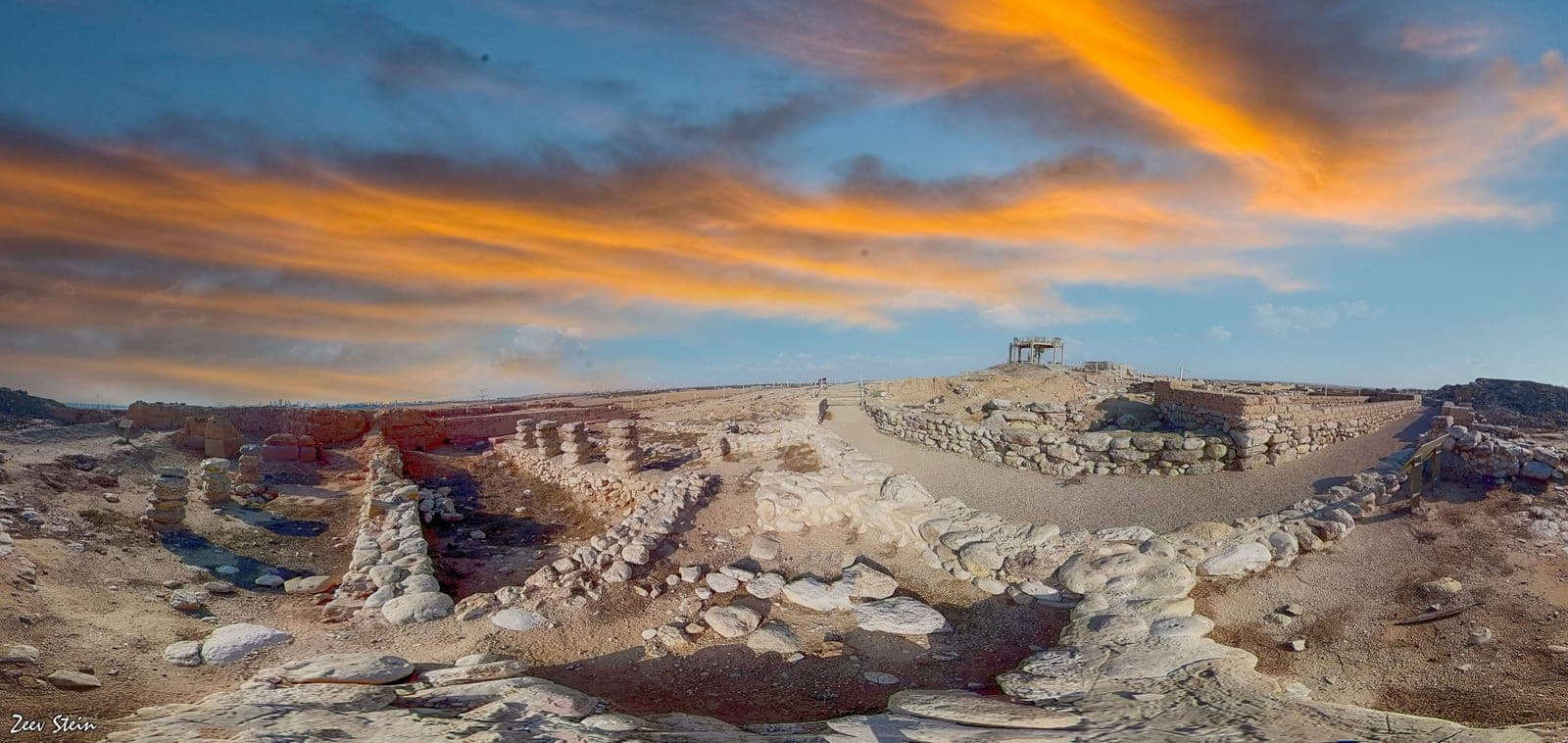
Photo: Zeev Stein / PikiWiki Israel, via Wikimedia Commons. License: CC BY 2.5. Source. Location: Tel Beer Sheva National Park, Israel. Resized for the web.
Explore the places of the Bible
See where biblical events happened, why each place matters, and what archaeology helps us understand.
Beersheba
Where Abraham and Isaac dug wells and worshiped the LORD, at the southern edge of the land.
Get full access with one subscription
Explore the people and places of the Bible. Read summaries of every book, with images and clear explanations covering every chapter. Access all these features and our Bible study tools with one subscription.
See PlansAsk AI about Ezekiel 40:39
Ask a question about this verse and get a clear answer, with Bible references you can read for yourself.
Every Bible book, explained chapter by chapter
Explore summaries of every book of the Bible, with images and easy-to-understand explanations covering every chapter.
Keep studying Ezekiel 40:39
Related Bible verses
Related topics
At a Glance — the Book of Ezekiel
- Author
- Ezekiel the prophet
- Written
- Around 590 BC
- Genre
- Prophecy
- Original Audience
- Exiled Israelites in Babylon
Frequently Asked Questions
Quick, clear answers about this verse
What is the significance of the tables in Ezekiel 40:39?
The tables mentioned in Ezekiel 40:39 are significant as they were specifically designed for preparing burnt offerings, sin offerings, and trespass offerings. This setup emphasizes the importance of sacrifice in worship, highlighting that approaching God requires acknowledgment of sin and a desire for restoration. It reflects a structured approach to worship, reminding us that our relationship with God involves serious commitment and the need for atonement.
What types of offerings are mentioned in Ezekiel 40:39?
Ezekiel 40:39 mentions three types of offerings: burnt offerings, sin offerings, and trespass offerings. Burnt offerings symbolize total dedication to God, while sin offerings represent the need for forgiveness for unintentional wrongs. Trespass offerings address specific offenses against God or others, emphasizing the importance of making amends. Each type of offering serves a unique purpose in the worship practices of the people, illustrating the seriousness of their relationship with God.
How can Ezekiel 40:39 apply to modern worship practices?
Ezekiel 40:39 can apply to modern worship by encouraging individuals to reflect on what they bring to their relationship with God. Just as the ancient Israelites made sacrifices, we can consider how we dedicate our time, resources, and hearts to God. This verse invites us to express our commitment and seek forgiveness in our lives, deepening our spiritual journey and connection with God. It reminds us that worship is a profound act of faith and devotion.
What does the term 'burnt offering' mean in Ezekiel 40:39?
In Ezekiel 40:39, a 'burnt offering' refers to a type of sacrifice that is completely consumed by fire as an act of worship. It symbolizes total dedication and surrender to God, representing the worshiper's desire to be wholly committed to Him. This offering signifies the importance of giving oneself entirely to God, acknowledging His sovereignty and seeking to live in accordance with His will.
Daily Verse — straight to your inbox
A verse and a 2-sentence plain-English explanation, every morning. Free. Unsubscribe anytime.