Old Testament
Ezekiel 48:4
Read the Bible in clear, modern English—easy to understand, faithful to the meaning, and written for everyday readers.
Next to Naphtali's border, stretching from east to west, Manasseh receives one portion.
Compare translations
And by the border of Naphtali, from the east side unto the west side, a portion for Manasseh.
What Ezekiel 48:4 means
Plain-English insight for readers
In this verse, we see the allocation of land among the tribes of Israel. Manasseh, one of the tribes, is given a specific portion of land that lies next to Naphtali's territory. This land stretches from the east to the west, indicating its size and significance. The division of land is not just about geography; it represents God's promise and provision for His people. Each tribe receives its own space, which is a reminder of their identity and heritage. For Manasseh, this portion is a chance to thrive and grow, both physically and spiritually. The borders signify not only physical boundaries but also the blessings that come with them. This allocation reflects the importance of community and belonging, as each tribe plays a role in the larger story of Israel. It emphasizes that everyone has a place and purpose in the grand design of life, reminding us that we too have our own unique paths to follow in our journeys of faith and life. Understanding this helps us appreciate our own roles in our communities.
How to apply Ezekiel 48:4 to your life
Consider how you fit into your community and what unique contributions you can make. Just as each tribe had its place, you have a role that matters. Embrace your identity and purpose, and seek ways to support those around you. Remember, your presence can make a difference in the lives of others. Celebrate your unique journey and the space you occupy in the world around you.
Curated for this public verse page. Ezekiel Summary
Explore more of the Bible
Learn the Bible through its people and places
Get to know the people in Scripture through illustrated stories, and explore the places where they lived and traveled.

Illustrated scene from Joseph, Jacob's son's story: Joseph Is Born (Genesis 30:22–24)
Meet the people of the Bible
Follow their lives in order, with illustrated scenes and Bible passages that tell their stories.
 Joseph, Jacob's son
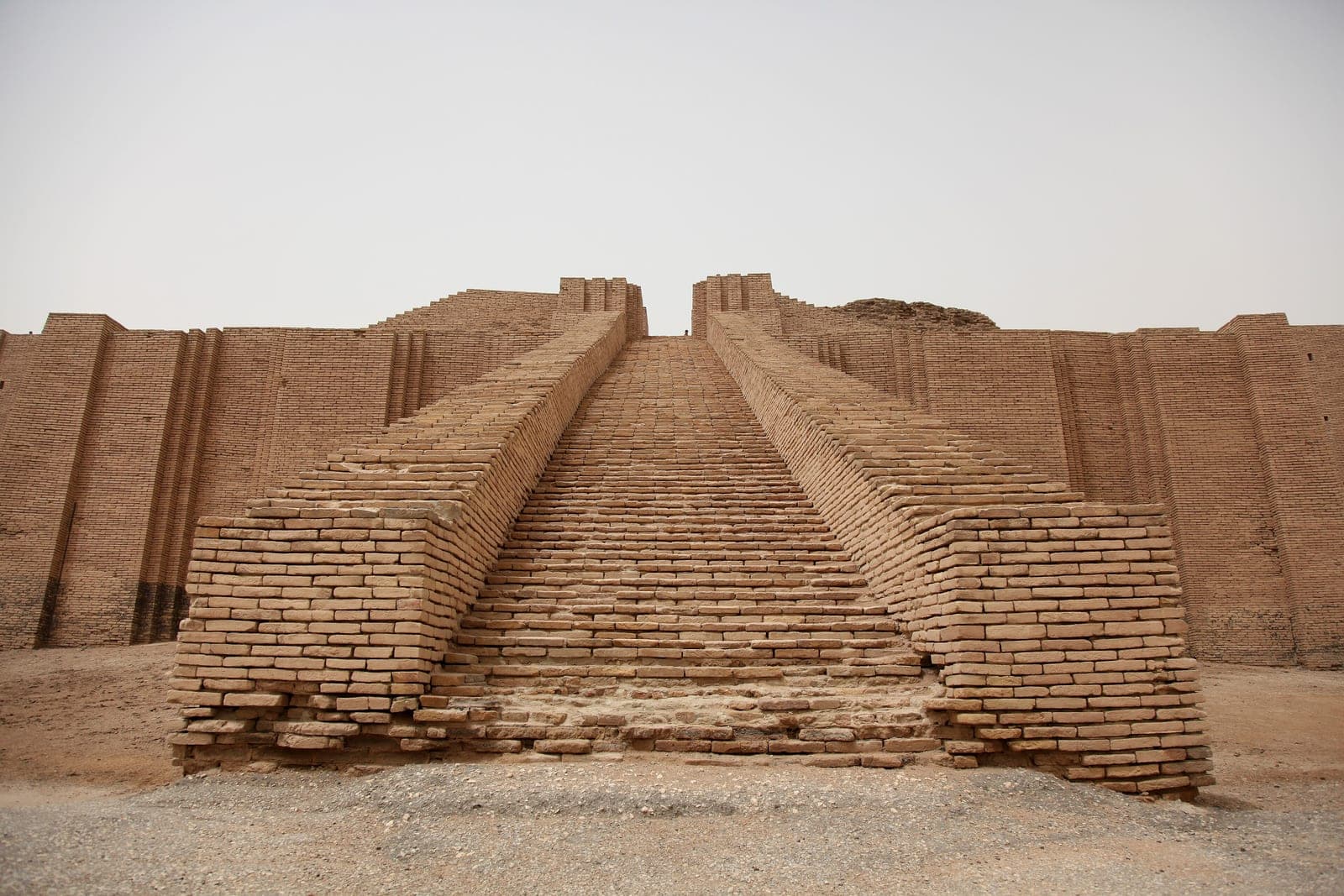
Photo: U.S. Army photo by Spc. Samantha R. Ciaramitaro, via DVIDS and Wikimedia Commons. License: Public domain in the United States — U.S. federal-government work. Source. Location: Great Ziggurat, Ur Archaeological City (Tell el-Mukayyar), Dhi Qar Governorate, Iraq. Resized for the web.
Explore the places of the Bible
See where biblical events happened, why each place matters, and what archaeology helps us understand.
Ur
The city Abram's family left to travel toward Canaan.
Get full access with one subscription
Explore the people and places of the Bible. Read summaries of every book, with images and clear explanations covering every chapter. Access all these features and our Bible study tools with one subscription.
See PlansAsk AI about Ezekiel 48:4
Ask a question about this verse and get a clear answer, with Bible references you can read for yourself.
Every Bible book, explained chapter by chapter
Explore summaries of every book of the Bible, with images and easy-to-understand explanations covering every chapter.
Keep studying Ezekiel 48:4
Related Bible verses
Key themes
Related topics
At a Glance — the Book of Ezekiel
- Author
- Ezekiel the prophet
- Written
- Around 590 BC
- Genre
- Prophecy
- Original Audience
- Exiled Israelites in Babylon
Frequently Asked Questions
Quick, clear answers about this verse
What does Ezekiel 48:4 mean?
Ezekiel 48:4 describes the allocation of land to the tribe of Manasseh, which is situated next to the territory of Naphtali. This verse highlights the importance of land distribution among the tribes of Israel, symbolizing God's provision and the identity of each tribe.
What is the significance of Manasseh's portion in Ezekiel 48:4?
Manasseh's portion in Ezekiel 48:4 signifies not only a physical space but also a reminder of God's promise to the tribes of Israel. It represents the tribe's identity and heritage, emphasizing their role in the community and the blessings associated with their land.
How does Ezekiel 48:4 relate to community and belonging?
Ezekiel 48:4 reflects the theme of community and belonging by showing how each tribe, including Manasseh, has its designated space. This allocation reinforces the idea that everyone has a unique role and place within the larger community of Israel.
What does the land allocation in Ezekiel 48:4 teach us today?
The land allocation in Ezekiel 48:4 teaches us about the importance of recognizing our own roles within our communities. Just as each tribe had its place, we too have unique contributions that can positively impact those around us.
Daily Verse — straight to your inbox
A verse and a 2-sentence plain-English explanation, every morning. Free. Unsubscribe anytime.