Old Testament
Ezra 2:20
Read the Bible in clear, modern English—easy to understand, faithful to the meaning, and written for everyday readers.
Descendants of Gibbar: 95.
Compare translations
The children of Gibbar, ninety and five.
What Ezra 2:20 means
Plain-English insight for readers
In this verse, we learn about the descendants of a man named Gibbar, who numbered 95 individuals. This count is part of a larger list of people returning from exile to their homeland. Each name and number represents real lives and stories, showing the importance of community and heritage. The mention of Gibbar's descendants highlights the significance of family ties and the continuity of identity. These individuals were not just numbers; they were part of a collective journey back to their roots. Their return signifies hope and restoration after a long period of displacement. This verse reminds us that every person has a story and a place in the larger narrative of life. It encourages us to value our connections and the legacies we inherit from those who came before us. The act of counting these descendants emphasizes the importance of remembering where we come from as we move forward into the future. Each number represents a life, a family, and a shared history that shapes who we are today.
How to apply Ezra 2:20 to your life
Reflect on your own family history and the stories that shape your identity. Consider how your connections with others influence your life. Embrace the idea that you are part of a larger community, and cherish the relationships that matter most to you. Remember, every person has a unique story worth telling and celebrating.
Curated for this public verse page. Ezra Summary
Explore more of the Bible
Learn the Bible through its people and places
Get to know the people in Scripture through illustrated stories, and explore the places where they lived and traveled.

Illustrated scene from Moses's story: Israel Enslaved in Egypt (Exodus 1:8–22)
Meet the people of the Bible
Follow their lives in order, with illustrated scenes and Bible passages that tell their stories.
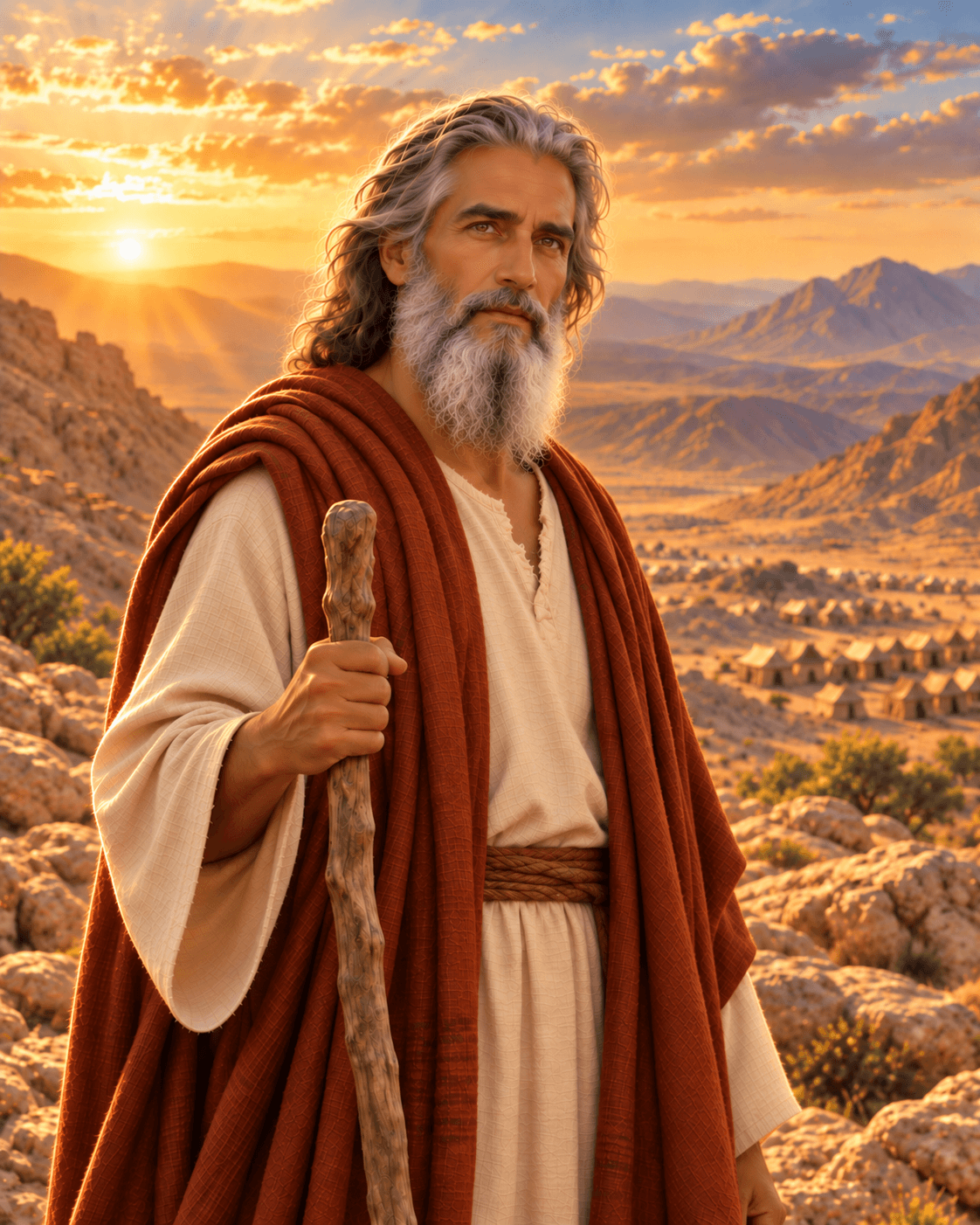 Moses
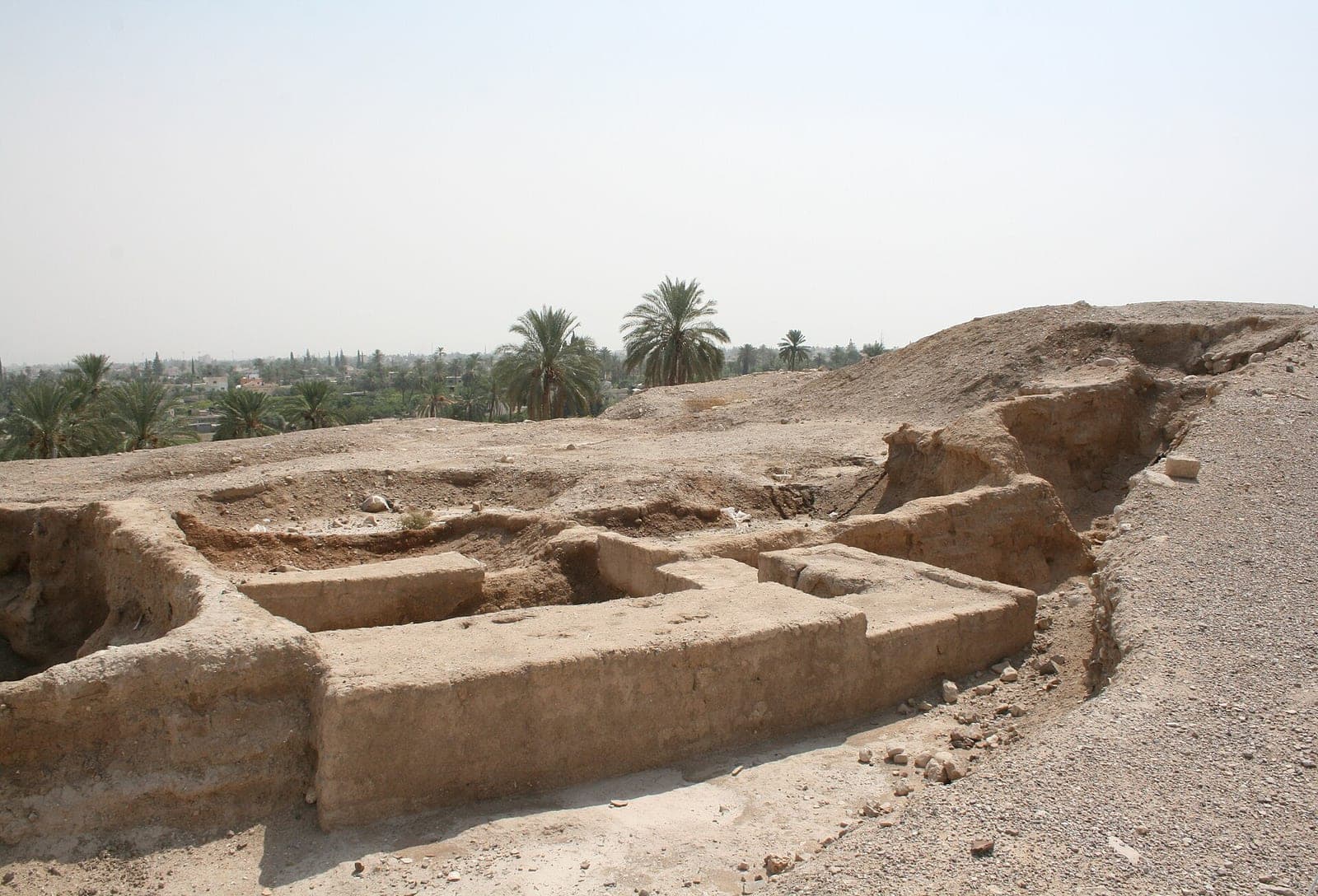
Photo: Diego Delso, via Wikimedia Commons. License: CC BY-SA 3.0. Source. Location: Tell es-Sultan, Jericho, West Bank. Resized for the web.
Explore the places of the Bible
See where biblical events happened, why each place matters, and what archaeology helps us understand.
Jericho
The city of palm trees, whose walls fell in Joshua's day.
Get full access with one subscription
Explore the people and places of the Bible. Read summaries of every book, with images and clear explanations covering every chapter. Access all these features and our Bible study tools with one subscription.
See PlansAsk AI about Ezra 2:20
Ask a question about this verse and get a clear answer, with Bible references you can read for yourself.
Every Bible book, explained chapter by chapter
Explore summaries of every book of the Bible, with images and easy-to-understand explanations covering every chapter.
Keep studying Ezra 2:20
Related Bible verses
Related topics
At a Glance — the Book of Ezra
- Author
- Ezra the priest and scribe
- Written
- Around 440 BC
- Genre
- Historical narrative
- Original Audience
- Returning Jewish exiles
Frequently Asked Questions
Quick, clear answers about this verse
Who are the descendants of Gibbar mentioned in Ezra 2:20?
The descendants of Gibbar, as mentioned in Ezra 2:20, refer to a group of 95 individuals who were part of the larger community returning from exile to their homeland. This verse highlights the importance of family and community ties in the context of restoration and identity after a period of displacement.
What is the significance of counting descendants in Ezra 2:20?
Counting the descendants in Ezra 2:20 serves to emphasize the importance of community and heritage. Each number represents real lives and stories, illustrating the continuity of identity and the significance of family ties. This act of enumeration reflects the value placed on remembering one's roots and the collective journey of those returning from exile.
How does Ezra 2:20 relate to themes of restoration?
Ezra 2:20 relates to themes of restoration by highlighting the return of the descendants of Gibbar as part of the broader narrative of the Israelites coming back to their homeland after exile. This return signifies hope, renewal, and the rebuilding of community and identity, emphasizing the importance of reconnecting with one's heritage.
What can we learn about community from Ezra 2:20?
From Ezra 2:20, we learn that community is built on shared histories and relationships. The mention of the descendants of Gibbar reminds us that every individual contributes to the larger narrative of a community. It encourages us to value our connections and recognize the impact of our collective stories on our identities.
Daily Verse — straight to your inbox
A verse and a 2-sentence plain-English explanation, every morning. Free. Unsubscribe anytime.