Old Testament
Genesis 16:1
Read the Bible in clear, modern English—easy to understand, faithful to the meaning, and written for everyday readers.
Sarai, Abram's wife, had not given him any children. She had an Egyptian servant woman named Hagar.
Compare translations
Now Sarai Abram’s wife bare him no children: and she had an handmaid, an Egyptian, whose name was Hagar.
What Genesis 16:1 means
Plain-English insight for readers
Sarai, the wife of Abram, faced a deep personal struggle. She had not been able to have children, which was a significant issue in her culture. This situation made her feel incomplete and desperate for a solution. To address her longing for a child, she decided to use her Egyptian servant, Hagar, as a surrogate. This choice reflects Sarai's frustration and desire for control over her circumstances. It also highlights the complexities of relationships and the lengths people go to fulfill their dreams. Sarai's decision sets the stage for future conflicts and challenges, showing how our choices can lead to unexpected consequences. This story invites us to reflect on our own struggles and the ways we seek to solve them, often leading to complicated outcomes. It reminds us that patience and trust in a larger plan can sometimes be more beneficial than taking matters into our own hands, even when we feel desperate for change. Understanding Sarai's situation helps us empathize with her and recognize the universal desire for family and belonging.
How to apply Genesis 16:1 to your life
When faced with challenges, we often seek quick solutions that may complicate our lives. Like Sarai, we might feel pressured to take control of our circumstances. It's important to pause and consider the long-term effects of our decisions. Trusting the process can lead to better outcomes than rushing into action. Reflect on your own life and how patience can guide you through tough times. “Trust the journey.” “Be patient.” “Seek guidance.
Curated for this public verse page. Genesis Summary
Learn the Bible through its people and places
Get to know the people in Scripture through illustrated stories, and explore the places where they lived and traveled.
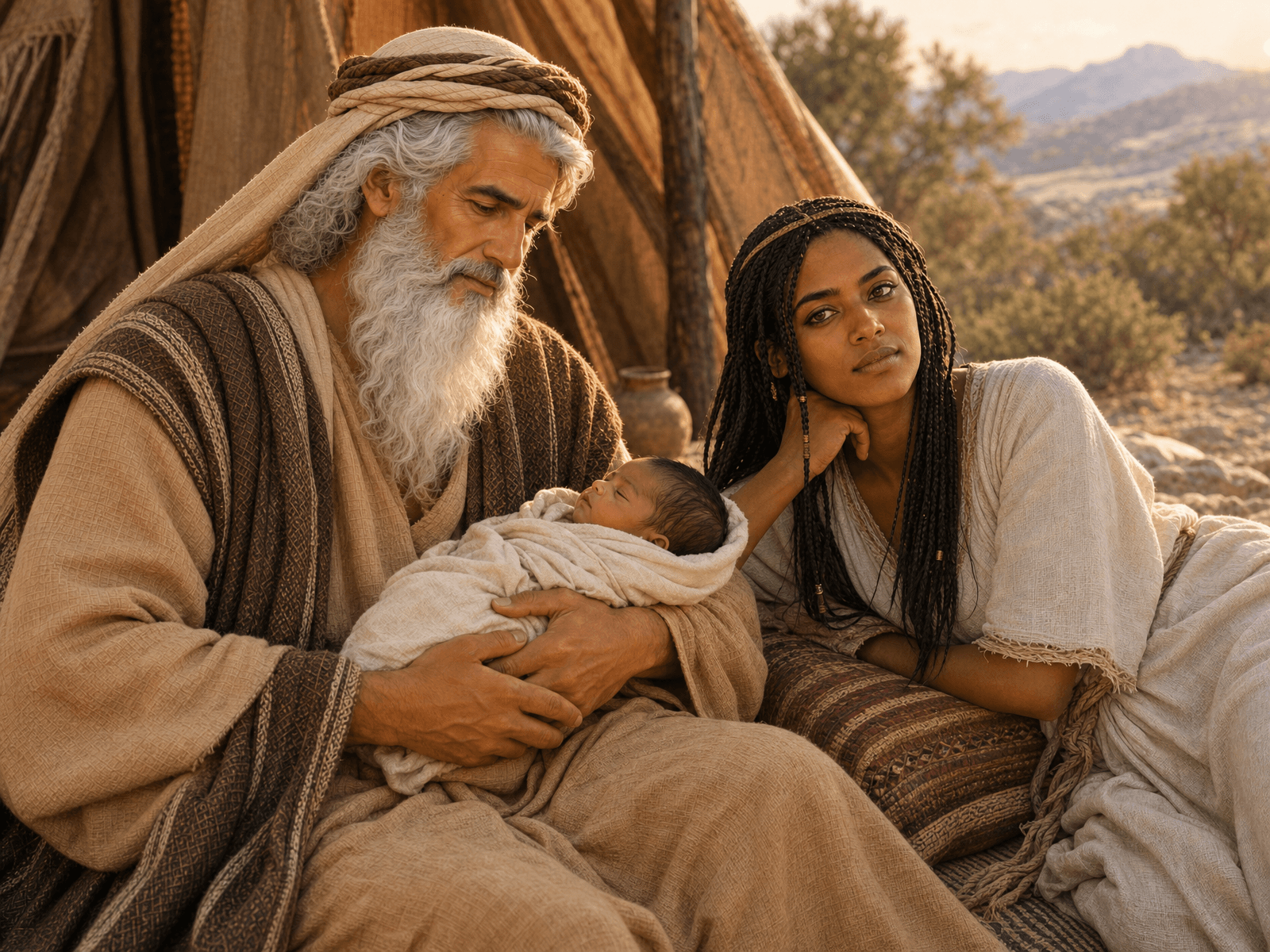
Illustrated scene from Abraham's story: Ishmael Is Born (Genesis 16:1–16)
Meet the people of the Bible
Follow their lives in order, with illustrated scenes and Bible passages that tell their stories.
 Abraham

Photo: U.S. Army photo by Spc. Samantha R. Ciaramitaro, via DVIDS and Wikimedia Commons. License: Public domain in the United States — U.S. federal-government work. Source. Location: Great Ziggurat, Ur Archaeological City (Tell el-Mukayyar), Dhi Qar Governorate, Iraq. Resized for the web.
Explore the places of the Bible
See where biblical events happened, why each place matters, and what archaeology helps us understand.
Ur
The city Abram's family left to travel toward Canaan.
Get full access with one subscription
Explore the people and places of the Bible. Read summaries of every book, with images and clear explanations covering every chapter. Access all these features and our Bible study tools with one subscription.
See PlansAsk AI about Genesis 16:1
Ask a question about this verse and get a clear answer, with Bible references you can read for yourself.
Every Bible book, explained chapter by chapter
Explore summaries of every book of the Bible, with images and easy-to-understand explanations covering every chapter.
Keep studying Genesis 16:1
Related Bible verses
Related topics
At a Glance — the Book of Genesis
- Author
- Traditionally attributed to Moses
- Written
- Around 1400 BC
- Genre
- Law (Pentateuch)
- Original Audience
- The Israelites in the wilderness
Frequently Asked Questions
Quick, clear answers about this verse
What does Genesis 16:1 mean?
Genesis 16:1 describes Sarai's struggle with infertility and her decision to use her servant Hagar as a surrogate to bear children for Abram. This reflects the cultural pressures of the time and highlights the complexities of human relationships.
What is the significance of Hagar in Genesis 16:1?
Hagar, the Egyptian servant, plays a crucial role in Genesis 16:1 as Sarai's chosen surrogate. Her inclusion in the story emphasizes themes of desperation and the lengths people go to fulfill their desires.
What does the verse say about Sarai's feelings?
The verse indicates that Sarai felt incomplete and desperate due to her inability to have children, which was a significant issue in her culture. This emotional struggle drives her decision to involve Hagar.
What themes are present in Genesis 16:1?
Genesis 16:1 explores themes of struggle, desire for control, complex relationships, and the consequences of choices. It illustrates how personal desires can lead to unexpected challenges.
Daily Verse — straight to your inbox
A verse and a 2-sentence plain-English explanation, every morning. Free. Unsubscribe anytime.