Old Testament
Genesis 2:6
Read the Bible in clear, modern English—easy to understand, faithful to the meaning, and written for everyday readers.
But water would rise up from the earth and water the surface of the ground.
Compare translations
But there went up a mist from the earth, and watered the whole face of the ground.
What Genesis 2:6 means
Plain-English insight for readers
In this verse, we see a beautiful picture of how the earth was nourished. Instead of rain, water would rise from the ground itself, creating a mist that would hydrate the soil. This process highlights the earth's natural ability to sustain life. It shows a world that is interconnected, where the land provides for itself. The imagery evokes a sense of harmony and balance in nature. This method of watering emphasizes the care and design behind creation, suggesting that everything has a purpose. It reminds us of the importance of water in sustaining life, both physically and spiritually. The earth's ability to provide for itself reflects a deeper truth about our own lives and the resources we have at our disposal. We are encouraged to appreciate the simple yet profound ways that nature supports us every day, reminding us of our connection to the world around us and the importance of nurturing it in return. This verse invites us to reflect on the beauty of creation and our role within it.
How to apply Genesis 2:6 to your life
Consider how you can nurture your environment, just as the earth was nourished. Reflect on the resources you have and how they support your life. Take time to appreciate the natural world around you and find ways to contribute positively to it. Every small action counts in maintaining balance in our lives and the planet's health. Remember, we are all part of this beautiful ecosystem together, and our choices matter greatly. .
Curated for this public verse page. Genesis Summary
Learn the Bible through its people and places
Get to know the people in Scripture through illustrated stories, and explore the places where they lived and traveled.
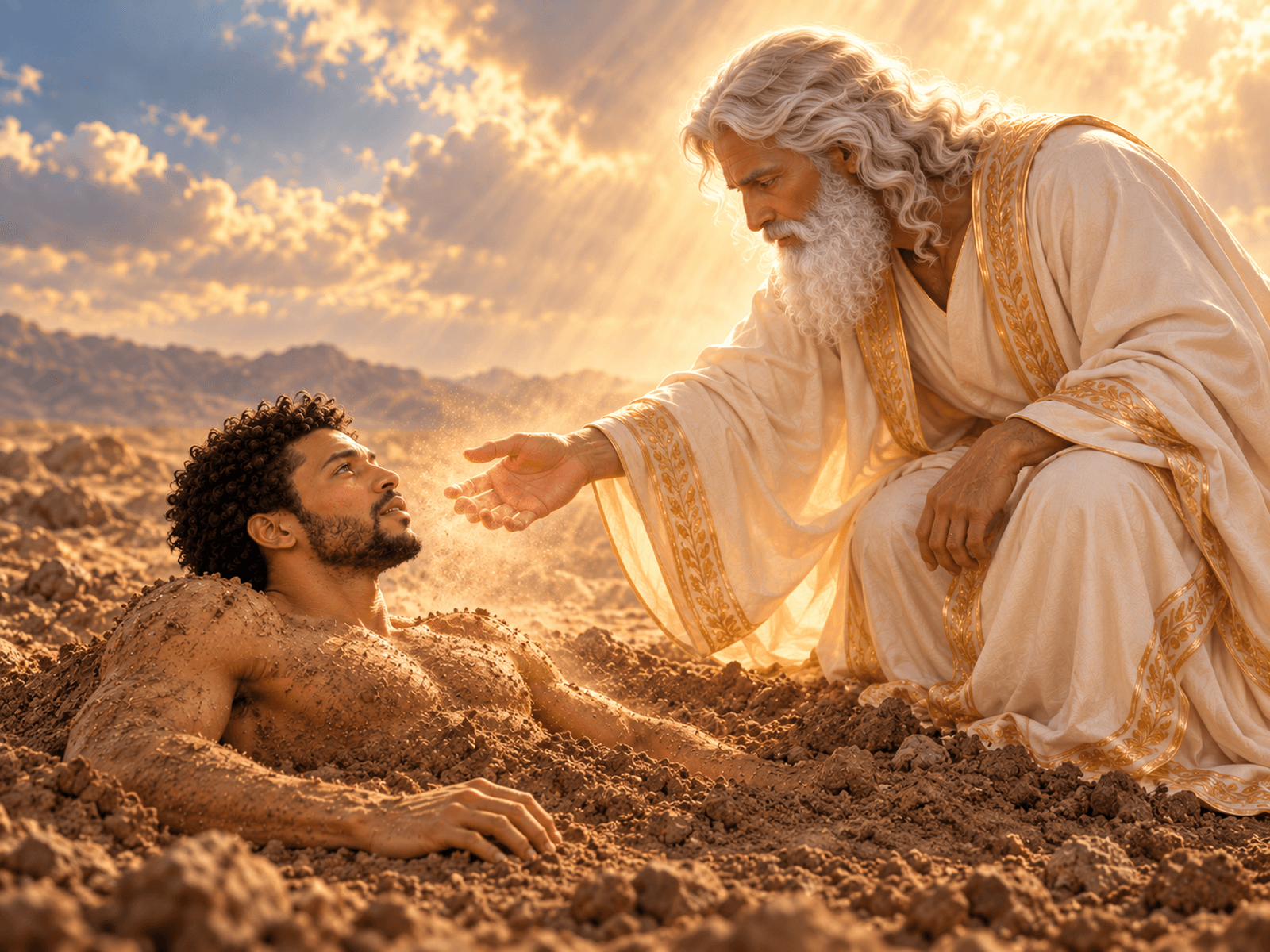
Illustrated scene from Adam's story: God Forms Adam from the Dust (Genesis 2:4–7)
Meet the people of the Bible
Follow their lives in order, with illustrated scenes and Bible passages that tell their stories.
 Adam

Photo: Zeev Stein / PikiWiki Israel, via Wikimedia Commons. License: CC BY 2.5. Source. Location: Tel Beer Sheva National Park, Israel. Resized for the web.
Explore the places of the Bible
See where biblical events happened, why each place matters, and what archaeology helps us understand.
Beersheba
Where Abraham and Isaac dug wells and worshiped the LORD, at the southern edge of the land.
Get full access with one subscription
Explore the people and places of the Bible. Read summaries of every book, with images and clear explanations covering every chapter. Access all these features and our Bible study tools with one subscription.
See PlansAsk AI about Genesis 2:6
Ask a question about this verse and get a clear answer, with Bible references you can read for yourself.
Every Bible book, explained chapter by chapter
Explore summaries of every book of the Bible, with images and easy-to-understand explanations covering every chapter.
Keep studying Genesis 2:6
Related Bible verses
Key themes
Related topics
At a Glance — the Book of Genesis
- Author
- Traditionally attributed to Moses
- Written
- Around 1400 BC
- Genre
- Law (Pentateuch)
- Original Audience
- The Israelites in the wilderness
Frequently Asked Questions
Quick, clear answers about this verse
What does Genesis 2:6 mean about how the earth was watered?
Genesis 2:6 describes a unique process where water would rise from the earth to create a mist that nourished the ground. This imagery illustrates a harmonious relationship between the earth and its environment, emphasizing the natural systems in place that sustain life without the need for rain. It highlights the earth's ability to provide for itself and reflects a deeper connection between creation and the resources available to us.
How does Genesis 2:6 relate to the concept of interconnectedness in nature?
This verse exemplifies interconnectedness by showing how the earth can sustain itself through natural processes. The mist rising from the ground symbolizes the balance and harmony in nature, where every element plays a role in supporting life. It encourages us to recognize our place within this ecosystem and the importance of nurturing our environment, as our well-being is tied to the health of the world around us.
What practical lessons can we learn from Genesis 2:6?
Genesis 2:6 teaches us to appreciate the resources we have and the natural systems that support our lives. We can apply this by being mindful of our environment, taking steps to conserve water, and engaging in practices that promote ecological balance. Reflecting on how we can nurture our surroundings encourages us to make choices that contribute positively to the health of our planet.
Why is water significant in Genesis 2:6?
Water is a vital element in Genesis 2:6, symbolizing life and nourishment. The verse highlights how water, in the form of mist, is essential for sustaining the earth and its ecosystems. This significance extends beyond the physical realm, reminding us of the spiritual nourishment we receive and the importance of maintaining a healthy relationship with our environment.
Daily Verse — straight to your inbox
A verse and a 2-sentence plain-English explanation, every morning. Free. Unsubscribe anytime.