Old Testament
Genesis 21:30
Read the Bible in clear, modern English—easy to understand, faithful to the meaning, and written for everyday readers.
Abraham answered, "Accept these seven ewe lambs from me so that they will serve as proof that I dug this well."
Compare translations
And he said, For these seven ewe lambs shalt thou take of my hand, that they may be a witness unto me, that I have digged this well.
What Genesis 21:30 means
Plain-English insight for readers
In this passage, Abraham is making a significant gesture to establish ownership of a well he dug. By offering seven ewe lambs, he is providing a tangible sign of his claim. This act is not just about the animals; it symbolizes trust and integrity in his dealings with others. Abraham wants to ensure that there is no dispute over the well, which is vital for his family's survival. The seven lambs serve as a witness to his hard work and rightful ownership. This moment highlights the importance of clear agreements and respect in relationships. It shows how actions can speak louder than words, reinforcing the idea that we should honor our commitments and be transparent in our interactions. Abraham's actions remind us that establishing trust is essential in any relationship, whether personal or professional. By being honest and fair, we can build strong foundations that last over time, just as Abraham did with this well and the people around him. His example encourages us to be proactive in resolving conflicts and ensuring clarity in our agreements.
How to apply Genesis 21:30 to your life
In our daily lives, we can learn from Abraham's example by being clear and honest in our agreements. When conflicts arise, addressing them openly can prevent misunderstandings. Building trust takes effort, but it is essential for healthy relationships. Let's strive to be fair and transparent in our dealings with others, just as Abraham was with the well he dug. This approach fosters respect and cooperation in all areas of life.
Curated for this public verse page. Genesis Summary
Learn the Bible through its people and places
Get to know the people in Scripture through illustrated stories, and explore the places where they lived and traveled.
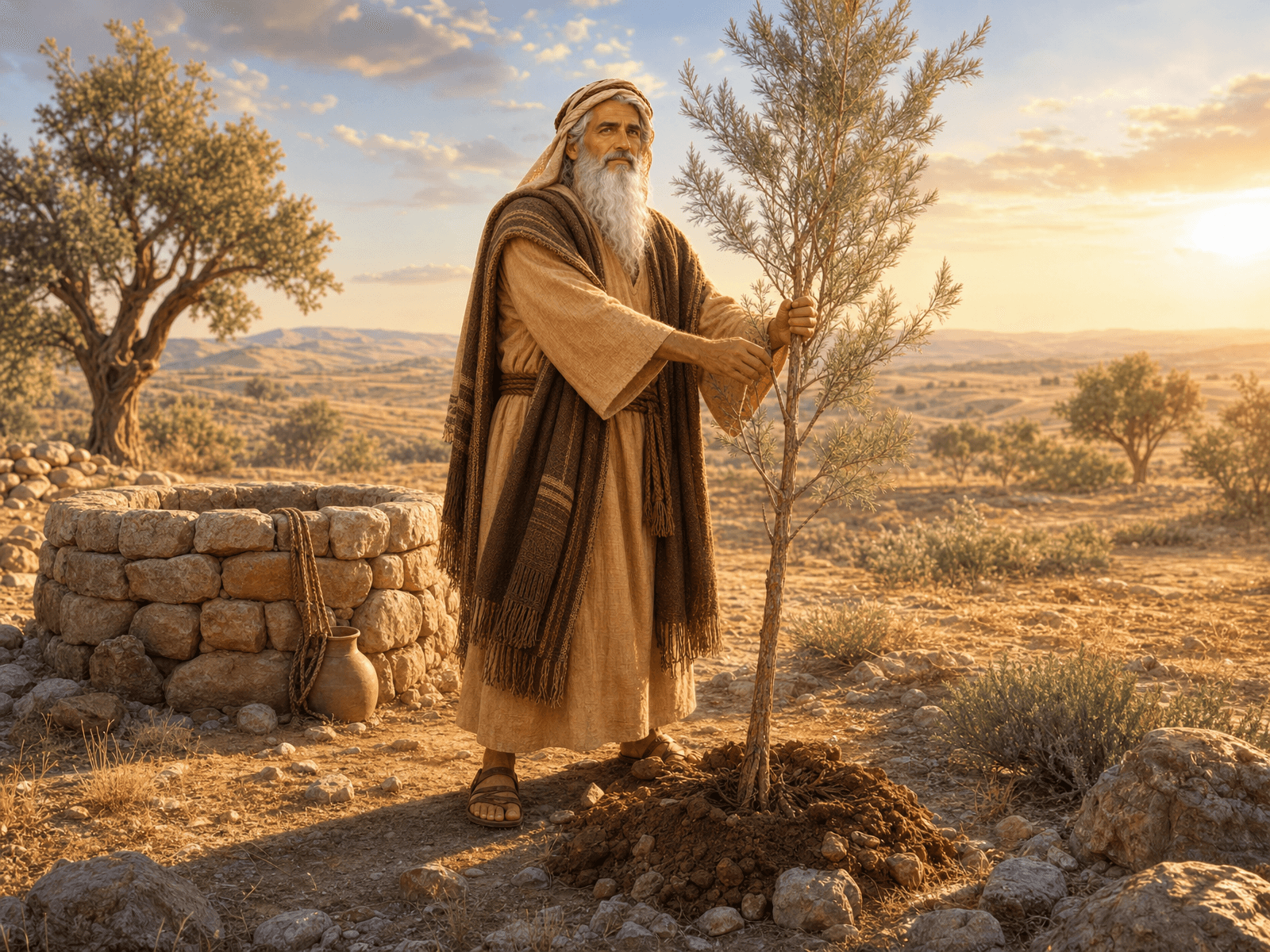
Illustrated scene from Abraham's story: The Well at Beersheba (Genesis 21:22–34)
Meet the people of the Bible
Follow their lives in order, with illustrated scenes and Bible passages that tell their stories.
 Abraham

Photo: U.S. Army photo by Spc. Samantha R. Ciaramitaro, via DVIDS and Wikimedia Commons. License: Public domain in the United States — U.S. federal-government work. Source. Location: Great Ziggurat, Ur Archaeological City (Tell el-Mukayyar), Dhi Qar Governorate, Iraq. Resized for the web.
Explore the places of the Bible
See where biblical events happened, why each place matters, and what archaeology helps us understand.
Ur
The city Abram's family left to travel toward Canaan.
Get full access with one subscription
Explore the people and places of the Bible. Read summaries of every book, with images and clear explanations covering every chapter. Access all these features and our Bible study tools with one subscription.
See PlansAsk AI about Genesis 21:30
Ask a question about this verse and get a clear answer, with Bible references you can read for yourself.
Every Bible book, explained chapter by chapter
Explore summaries of every book of the Bible, with images and easy-to-understand explanations covering every chapter.
Keep studying Genesis 21:30
Related Bible verses
Related topics
At a Glance — the Book of Genesis
- Author
- Traditionally attributed to Moses
- Written
- Around 1400 BC
- Genre
- Law (Pentateuch)
- Original Audience
- The Israelites in the wilderness
Frequently Asked Questions
Quick, clear answers about this verse
What is the significance of the seven ewe lambs in Genesis 21:30?
The seven ewe lambs symbolize Abraham's commitment to establishing ownership of the well he dug. By offering these lambs, he provides a tangible proof of his hard work and rightful claim, reinforcing the importance of trust and integrity in relationships.
How does Genesis 21:30 relate to conflict resolution?
In Genesis 21:30, Abraham's act of giving the lambs serves as a proactive measure to prevent disputes over the well. This teaches us that addressing potential conflicts openly and honestly can help maintain clarity and prevent misunderstandings in our own relationships.
What can we learn about trust from Abraham's actions in this verse?
Abraham's willingness to offer seven ewe lambs as a witness to his ownership highlights the importance of trust in relationships. It shows that being transparent and fair in our dealings fosters respect and cooperation, which are essential for building strong connections with others.
Why is ownership important in Genesis 21:30?
Ownership in Genesis 21:30 is crucial because the well represents a vital resource for Abraham's family. Establishing clear ownership prevents disputes and ensures that his family has access to water, which is essential for survival in their environment.
Daily Verse — straight to your inbox
A verse and a 2-sentence plain-English explanation, every morning. Free. Unsubscribe anytime.