Old Testament
Genesis 21:29
Read the Bible in clear, modern English—easy to understand, faithful to the meaning, and written for everyday readers.
Abimelech asked Abraham, "What is the purpose of these seven ewe lambs you have set apart?"
Compare translations
And Abimelech said unto Abraham, What mean these seven ewe lambs which thou hast set by themselves?
What Genesis 21:29 means
Plain-English insight for readers
In this moment, Abimelech, the king, is curious about the significance of the seven ewe lambs that Abraham has set aside. This question highlights the importance of symbols and actions in communication. The lambs represent a commitment or a covenant between the two men. By asking about them, Abimelech is seeking clarity on their meaning. Abraham's actions are not just random; they carry weight and intention. This exchange emphasizes how our actions can speak volumes and how important it is to understand the context behind them. It also shows the value of dialogue in resolving misunderstandings and building relationships. In essence, the lambs symbolize peace and a promise of goodwill between two parties. This moment serves as a reminder that sometimes, the simplest gestures can hold deep significance in our interactions with others. Understanding the meaning behind actions can lead to stronger connections and mutual respect in our relationships, just as it did for Abraham and Abimelech.
How to apply Genesis 21:29 to your life
When you encounter something unusual or confusing, like Abimelech did with the lambs, take a moment to ask questions. This can lead to deeper understanding and stronger relationships. Remember, actions often have meanings that are not immediately clear, so seek clarity when needed. Your curiosity can foster connection and trust with others.
Curated for this public verse page. Genesis Summary
Learn the Bible through its people and places
Get to know the people in Scripture through illustrated stories, and explore the places where they lived and traveled.
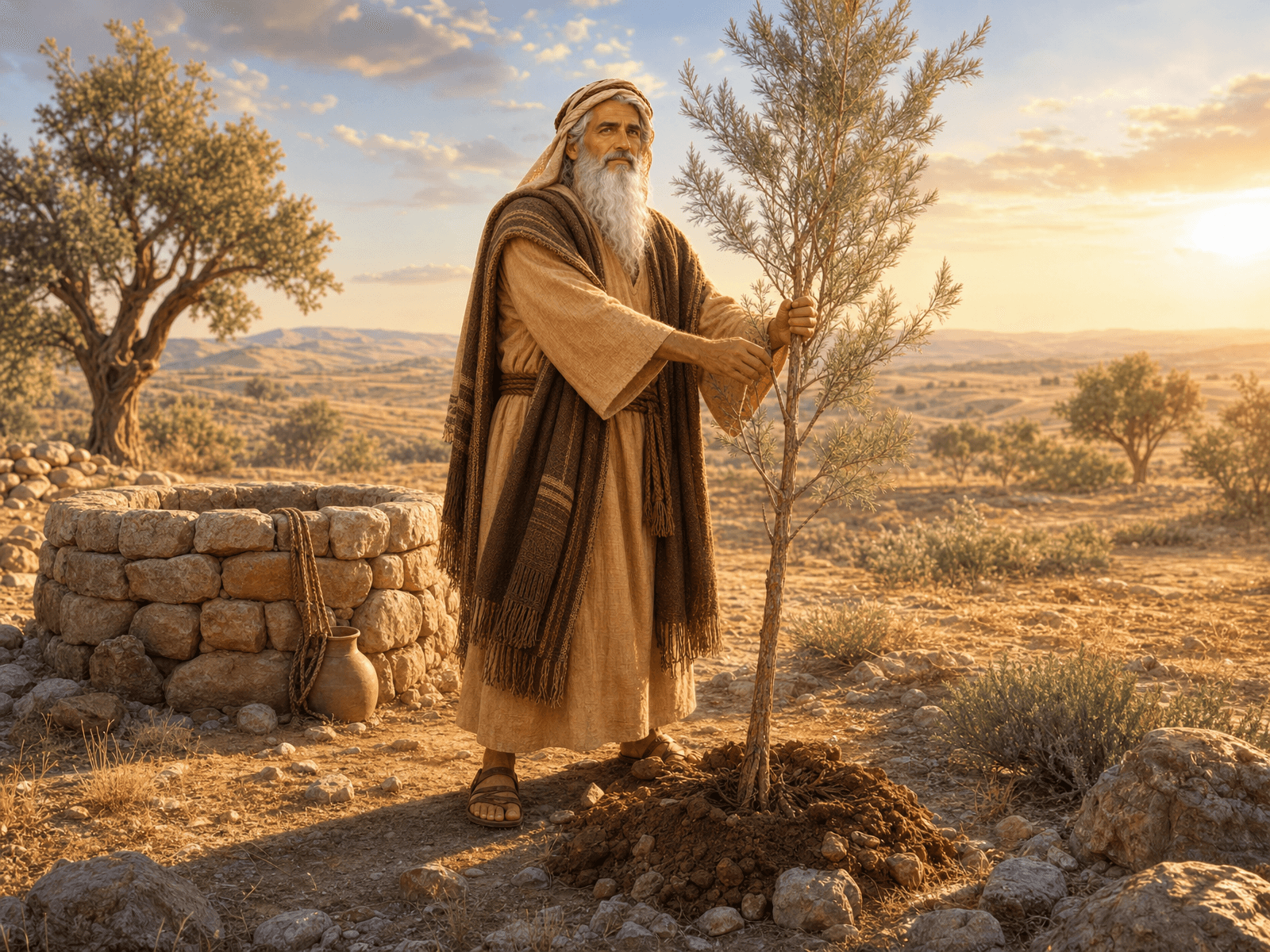
Illustrated scene from Abraham's story: The Well at Beersheba (Genesis 21:22–34)
Meet the people of the Bible
Follow their lives in order, with illustrated scenes and Bible passages that tell their stories.
 Abraham

Photo: U.S. Army photo by Spc. Samantha R. Ciaramitaro, via DVIDS and Wikimedia Commons. License: Public domain in the United States — U.S. federal-government work. Source. Location: Great Ziggurat, Ur Archaeological City (Tell el-Mukayyar), Dhi Qar Governorate, Iraq. Resized for the web.
Explore the places of the Bible
See where biblical events happened, why each place matters, and what archaeology helps us understand.
Ur
The city Abram's family left to travel toward Canaan.
Get full access with one subscription
Explore the people and places of the Bible. Read summaries of every book, with images and clear explanations covering every chapter. Access all these features and our Bible study tools with one subscription.
See PlansAsk AI about Genesis 21:29
Ask a question about this verse and get a clear answer, with Bible references you can read for yourself.
Every Bible book, explained chapter by chapter
Explore summaries of every book of the Bible, with images and easy-to-understand explanations covering every chapter.
Keep studying Genesis 21:29
Related Bible verses
Key themes
Related topics
At a Glance — the Book of Genesis
- Author
- Traditionally attributed to Moses
- Written
- Around 1400 BC
- Genre
- Law (Pentateuch)
- Original Audience
- The Israelites in the wilderness
Frequently Asked Questions
Quick, clear answers about this verse
What does Genesis 21:29 mean?
Genesis 21:29 shows Abimelech asking Abraham about the seven ewe lambs he set apart. This indicates that the lambs symbolize a covenant or agreement between them, highlighting the importance of understanding actions and their meanings in relationships.
What is the significance of the seven ewe lambs in Genesis 21:29?
The seven ewe lambs represent a commitment or covenant between Abraham and Abimelech. By setting them apart, Abraham is signaling peace and goodwill, making their agreement more formal and significant.
Why did Abimelech ask about the ewe lambs in Genesis 21:29?
Abimelech asked about the ewe lambs to clarify their significance, as they were set apart by Abraham. This inquiry reflects his desire to understand the intentions behind Abraham's actions and the nature of their relationship.
How does Genesis 21:29 relate to communication in relationships?
Genesis 21:29 illustrates how asking questions can lead to better understanding in relationships. Abimelech's curiosity about the lambs shows that seeking clarity can strengthen connections and resolve potential misunderstandings.
Daily Verse — straight to your inbox
A verse and a 2-sentence plain-English explanation, every morning. Free. Unsubscribe anytime.