Old Testament
Genesis 47:19
Read the Bible in clear, modern English—easy to understand, faithful to the meaning, and written for everyday readers.
"Why should we perish before your eyes — both us and our farmland? Purchase us and our land in exchange for food. We and our land will belong to Pharaoh. Just give us seed so that we can survive and not starve, and so the ground will not become barren."
Compare translations
Wherefore shall we die before thine eyes, both we and our land? buy us and our land for bread, and we and our land will be servants unto Pharaoh: and give us seed, that we may live, and not die, that the land be not desolate.
What Genesis 47:19 means
Plain-English insight for readers
In this verse, the people of Egypt are pleading with Joseph during a time of severe famine. They are desperate and willing to sell themselves and their land to Pharaoh in exchange for food. Their request highlights the dire situation they are in, as they fear dying from hunger. By offering to become servants to Pharaoh, they hope to secure their survival and ensure that their land remains productive. This moment illustrates the lengths to which people will go to preserve life and maintain their livelihoods, even if it means giving up their freedom and land. The request for seed indicates their desire to not only survive the famine but also to restore their land's fertility, showing a hope for the future despite their current despair.
How to apply Genesis 47:19 to your life
This verse teaches us about the importance of seeking help in times of crisis. Just as the Egyptians turned to Joseph for assistance, we should not hesitate to reach out for support when facing difficult situations. It also reminds us to be resourceful and proactive in finding solutions to our problems.
Curated for this public verse page. Genesis Summary
Learn the Bible through its people and places
Get to know the people in Scripture through illustrated stories, and explore the places where they lived and traveled.

Illustrated scene from Joseph, Jacob's son's story: The Famine in Egypt (Genesis 47:13–26)
Meet the people of the Bible
Follow their lives in order, with illustrated scenes and Bible passages that tell their stories.
 Joseph, Jacob's son
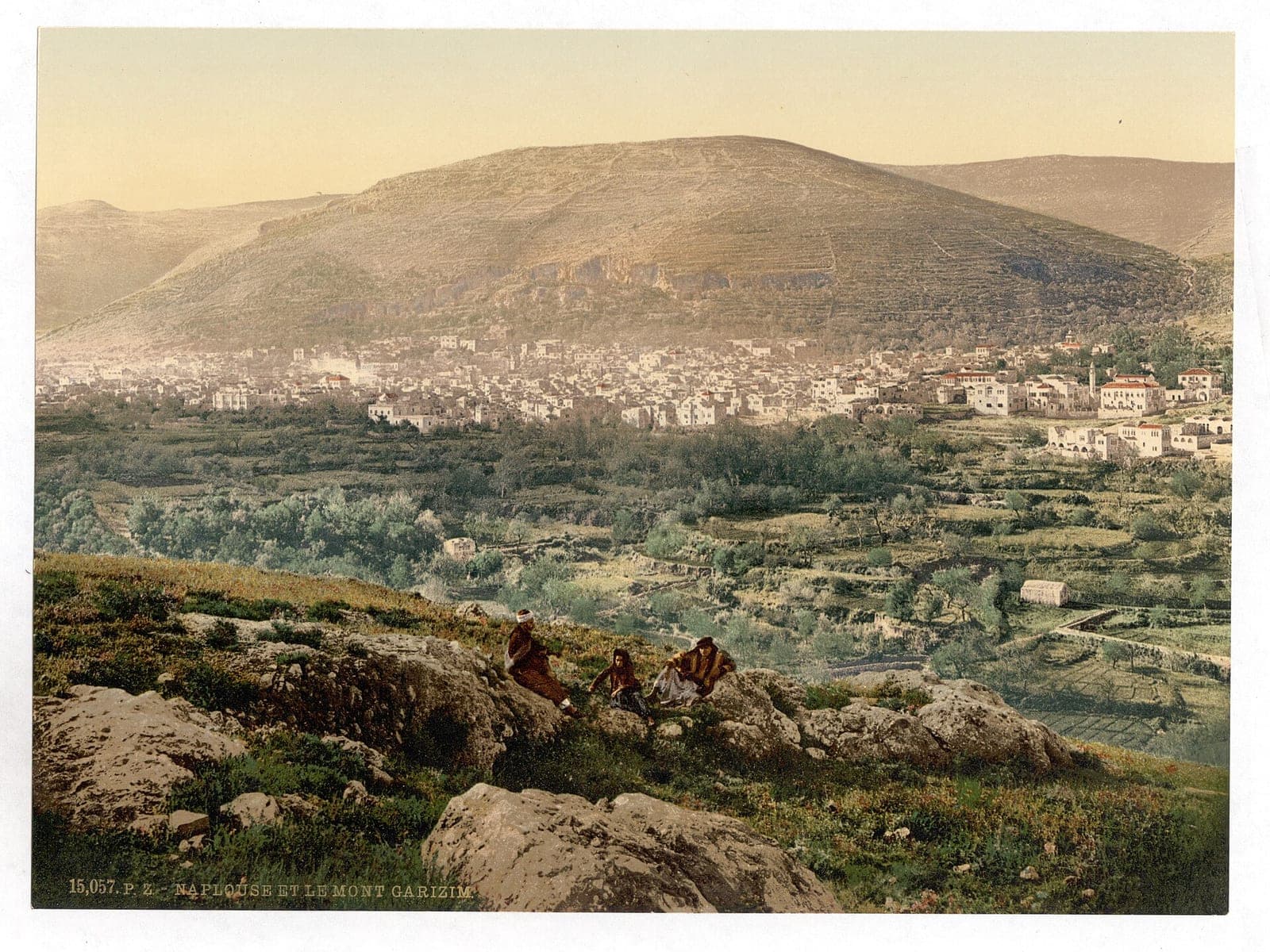
Photo: Photochrom print, Library of Congress Prints and Photographs Division (LCCN 2002725043). License: Public domain in the United States; Library of Congress states no known restrictions on publication. Source. Location: Nablus and Mount Gerizim, West Bank; print preserved by the Library of Congress. Resized for the web.
Explore the places of the Bible
See where biblical events happened, why each place matters, and what archaeology helps us understand.
Shechem
Where God promised the land to Abram, and where Joshua led Israel to renew the covenant.
Get full access with one subscription
Explore the people and places of the Bible. Read summaries of every book, with images and clear explanations covering every chapter. Access all these features and our Bible study tools with one subscription.
See PlansAsk AI about Genesis 47:19
Ask a question about this verse and get a clear answer, with Bible references you can read for yourself.
Every Bible book, explained chapter by chapter
Explore summaries of every book of the Bible, with images and easy-to-understand explanations covering every chapter.
Keep studying Genesis 47:19
Related Bible verses
Key themes
Related topics
At a Glance — the Book of Genesis
- Author
- Traditionally attributed to Moses
- Written
- Around 1400 BC
- Genre
- Law (Pentateuch)
- Original Audience
- The Israelites in the wilderness
Frequently Asked Questions
Quick, clear answers about this verse
What does Genesis 47:19 mean?
Genesis 47:19 depicts the Egyptians pleading with Joseph during a famine, offering to sell themselves and their land to Pharaoh in exchange for food. This illustrates their desperation and willingness to sacrifice their freedom for survival.
What is the significance of the phrase 'we and our land will belong to Pharaoh' in Genesis 47:19?
The phrase 'we and our land will belong to Pharaoh' signifies the extreme measures the Egyptians are willing to take to survive the famine. It highlights their submission and the loss of autonomy in exchange for sustenance.
What does the request for seed in Genesis 47:19 indicate?
The request for seed in Genesis 47:19 indicates the Egyptians' desire not only to survive the famine but also to restore their land's fertility. It reflects a hope for the future despite their current dire circumstances.
How does Genesis 47:19 relate to themes of desperation and survival?
Genesis 47:19 relates to themes of desperation and survival by illustrating how the Egyptians, faced with starvation, are willing to give up their land and freedom to ensure their survival. It emphasizes the lengths people will go to in order to preserve life.
Daily Verse — straight to your inbox
A verse and a 2-sentence plain-English explanation, every morning. Free. Unsubscribe anytime.