Old Testament
Haggai 2:13
Read the Bible in clear, modern English—easy to understand, faithful to the meaning, and written for everyday readers.
Then Haggai asked, "What if someone who has become unclean by touching a dead body then touches any of these things — does it become unclean?" The priests answered, "Yes, it becomes unclean."
Compare translations
Then said Haggai, If one that is unclean by a dead body touch any of these, shall it be unclean? And the priests answered and said, It shall be unclean.
What Haggai 2:13 means
Plain-English insight for readers
In Haggai 2:13, the prophet Haggai poses a question to the priests about ritual cleanliness. He asks if a person who is considered unclean due to touching a dead body can make other things unclean by touching them. The priests confirm that yes, the items would also become unclean. This illustrates a principle in Jewish law that impurity can spread from one object or person to another. The underlying message is that holiness and purity are not automatically transferred; rather, impurity can contaminate what is otherwise clean. This serves as a reminder of the importance of maintaining spiritual and moral cleanliness in our lives, as negative influences can affect our relationships and community.
How to apply Haggai 2:13 to your life
This verse encourages us to be mindful of the influences we allow into our lives. Just as physical impurity can spread, so can negative behaviors or attitudes. We should strive to surround ourselves with positive influences and maintain our spiritual integrity.
Curated for this public verse page. Haggai Summary
Explore more of the Bible
Learn the Bible through its people and places
Get to know the people in Scripture through illustrated stories, and explore the places where they lived and traveled.

Illustrated scene from Esther's story: Esther Becomes Queen (Esther 2:1–18)
Meet the people of the Bible
Follow their lives in order, with illustrated scenes and Bible passages that tell their stories.
 Esther
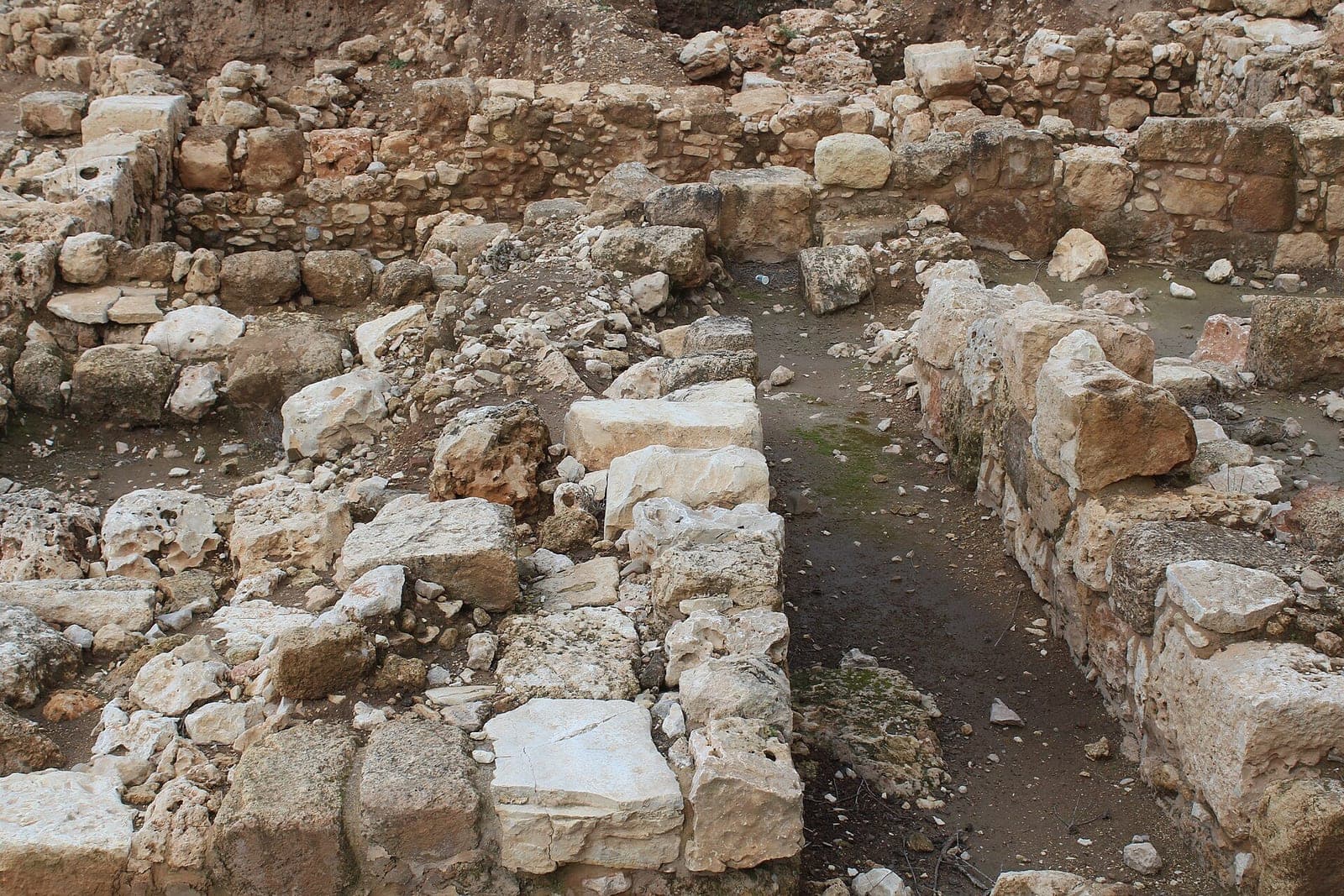
Photo: Deror Avi, via Wikimedia Commons. License: CC BY-SA 4.0. Source. Location: Tel Shiloh archaeological site, West Bank. Resized for the web.
Explore the places of the Bible
See where biblical events happened, why each place matters, and what archaeology helps us understand.
Shiloh
Where Israel set up the tabernacle, and where God called the boy Samuel.
Get full access with one subscription
Explore the people and places of the Bible. Read summaries of every book, with images and clear explanations covering every chapter. Access all these features and our Bible study tools with one subscription.
See PlansAsk AI about Haggai 2:13
Ask a question about this verse and get a clear answer, with Bible references you can read for yourself.
Every Bible book, explained chapter by chapter
Explore summaries of every book of the Bible, with images and easy-to-understand explanations covering every chapter.
Keep studying Haggai 2:13
Related Bible verses
Key themes
Related topics
At a Glance — the Book of Haggai
- Author
- Haggai the prophet
- Written
- Around 520 BC
- Genre
- Prophecy
- Original Audience
- Post-exilic Jews rebuilding the temple
Frequently Asked Questions
Quick, clear answers about this verse
What does Haggai 2:13 mean?
Haggai 2:13 discusses the concept of ritual impurity in Jewish law. The prophet Haggai asks if a person who is unclean from touching a dead body can make other items unclean by touching them, and the priests confirm that it does indeed become unclean.
What is the significance of touching a dead body in Haggai 2:13?
Touching a dead body renders a person ritually unclean according to Jewish law. This act symbolizes the spread of impurity, highlighting the importance of maintaining spiritual and moral cleanliness.
How does Haggai 2:13 relate to spiritual contamination?
Haggai 2:13 illustrates that just as physical impurity can spread, so can negative influences in our lives. It serves as a reminder to be cautious about what we allow to affect our spiritual integrity.
What is the main theme of Haggai 2:13?
The main theme of Haggai 2:13 is the concept of ritual purity and the idea that impurity can contaminate what is otherwise clean. It emphasizes the importance of maintaining holiness and moral integrity.
Daily Verse — straight to your inbox
A verse and a 2-sentence plain-English explanation, every morning. Free. Unsubscribe anytime.