Old Testament
Haggai 2:19
Read the Bible in clear, modern English—easy to understand, faithful to the meaning, and written for everyday readers.
Is the seed still in the barn? Indeed, the grapevine, the fig tree, the pomegranate, and the olive tree have not yet produced. From this day on, I will bless you.
Compare translations
Is the seed yet in the barn? yea, as yet the vine, and the fig tree, and the pomegranate, and the olive tree, hath not brought forth: from this day will I bless you.
What Haggai 2:19 means
Plain-English insight for readers
In Haggai 2:19, God is addressing the people of Israel, reminding them of their current situation where their crops have not yet yielded any fruit. The mention of the seed still being in the barn symbolizes a lack of productivity and blessing. However, God reassures them that despite their current struggles, He will begin to bless them from that day forward. This verse emphasizes the transition from a time of barrenness to one of abundance, highlighting God's promise of restoration and favor. It serves as a reminder that even in times of hardship, God is aware of our circumstances and is ready to bring about change and blessings when we turn back to Him. The assurance of blessing is a call to faith and hope, encouraging the people to trust in God's provision and timing.
How to apply Haggai 2:19 to your life
In our lives, we may feel like we are in a season of waiting or unproductiveness. This verse encourages us to remain faithful and trust that God will bless us in due time. We should focus on our relationship with God, knowing that He is working behind the scenes for our good.
Curated for this public verse page. Haggai Summary
Explore more of the Bible
Learn the Bible through its people and places
Get to know the people in Scripture through illustrated stories, and explore the places where they lived and traveled.

Illustrated scene from Esther's story: Esther Becomes Queen (Esther 2:1–18)
Meet the people of the Bible
Follow their lives in order, with illustrated scenes and Bible passages that tell their stories.
 Esther
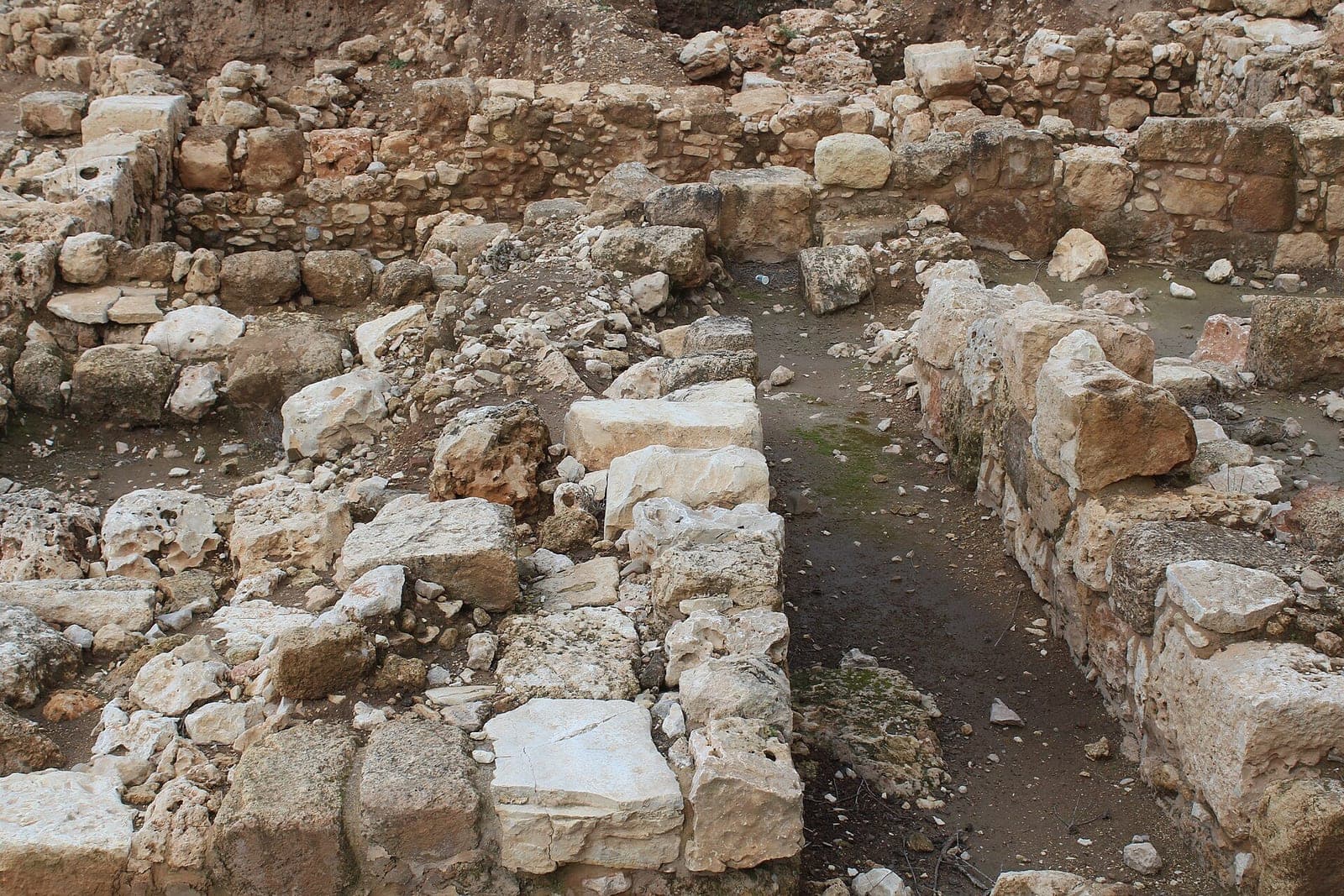
Photo: Deror Avi, via Wikimedia Commons. License: CC BY-SA 4.0. Source. Location: Tel Shiloh archaeological site, West Bank. Resized for the web.
Explore the places of the Bible
See where biblical events happened, why each place matters, and what archaeology helps us understand.
Shiloh
Where Israel set up the tabernacle, and where God called the boy Samuel.
Get full access with one subscription
Explore the people and places of the Bible. Read summaries of every book, with images and clear explanations covering every chapter. Access all these features and our Bible study tools with one subscription.
See PlansAsk AI about Haggai 2:19
Ask a question about this verse and get a clear answer, with Bible references you can read for yourself.
Every Bible book, explained chapter by chapter
Explore summaries of every book of the Bible, with images and easy-to-understand explanations covering every chapter.
Keep studying Haggai 2:19
Related Bible verses
Key themes
Related topics
At a Glance — the Book of Haggai
- Author
- Haggai the prophet
- Written
- Around 520 BC
- Genre
- Prophecy
- Original Audience
- Post-exilic Jews rebuilding the temple
Frequently Asked Questions
Quick, clear answers about this verse
What does Haggai 2:19 mean?
Haggai 2:19 conveys God's message to the Israelites about their current lack of productivity in agriculture. It symbolizes a time of barrenness, but God promises that from that day forward, He will bless them, indicating a shift towards abundance and restoration.
What is the significance of the seed in Haggai 2:19?
The seed in Haggai 2:19 represents potential and productivity that has not yet been realized. Its presence in the barn signifies a period of waiting and unfruitfulness, but God assures the people that blessings are coming.
What does the phrase 'from this day on, I will bless you' mean?
The phrase 'from this day on, I will bless you' signifies a turning point for the Israelites. It indicates that despite their current struggles, God is ready to bring about positive change and blessings in their lives.
How does Haggai 2:19 relate to hope in hardship?
Haggai 2:19 relates to hope in hardship by reminding the Israelites that even in times of difficulty and unproductiveness, God is aware of their situation and is prepared to bless them. It encourages believers to maintain faith during challenging times.
Daily Verse — straight to your inbox
A verse and a 2-sentence plain-English explanation, every morning. Free. Unsubscribe anytime.