New Testament
Hebrews 13:20
Read the Bible in clear, modern English—easy to understand, faithful to the meaning, and written for everyday readers.
Now may the God of peace — who raised from the dead our Lord Jesus, the great shepherd of the sheep, through the blood of the eternal covenant —
Compare translations
Now the God of peace, that brought again from the dead our Lord Jesus, that great shepherd of the sheep, through the blood of the everlasting covenant,
What Hebrews 13:20 means
Plain-English insight for readers
In this verse, the author addresses God as the "God of peace," emphasizing His role in providing tranquility and harmony. The phrase "who raised from the dead our Lord Jesus" highlights the resurrection, a central tenet of Christian faith, affirming Jesus as the great shepherd who guides and protects His followers. The mention of the "blood of the eternal covenant" signifies the sacrificial nature of Jesus' death, establishing a lasting relationship between God and humanity. This covenant is not temporary but eternal, offering believers assurance of salvation and peace with God. The verse encapsulates the hope and security found in Christ, reminding readers of God's power and the significance of Jesus' sacrifice. It serves as a comforting reminder that through Jesus, believers have access to peace and a restored relationship with God, rooted in His promises and the eternal covenant established through Christ's blood.
How to apply Hebrews 13:20 to your life
This verse encourages believers to trust in God's peace and the assurance of salvation through Jesus. It reminds us to rely on Christ as our shepherd, guiding us through life's challenges. We can find comfort in knowing that our relationship with God is secure through the eternal covenant established by Jesus' sacrifice.
Curated for this public verse page. Hebrews Summary
Explore more of the Bible
Learn the Bible through its people and places
Get to know the people in Scripture through illustrated stories, and explore the places where they lived and traveled.
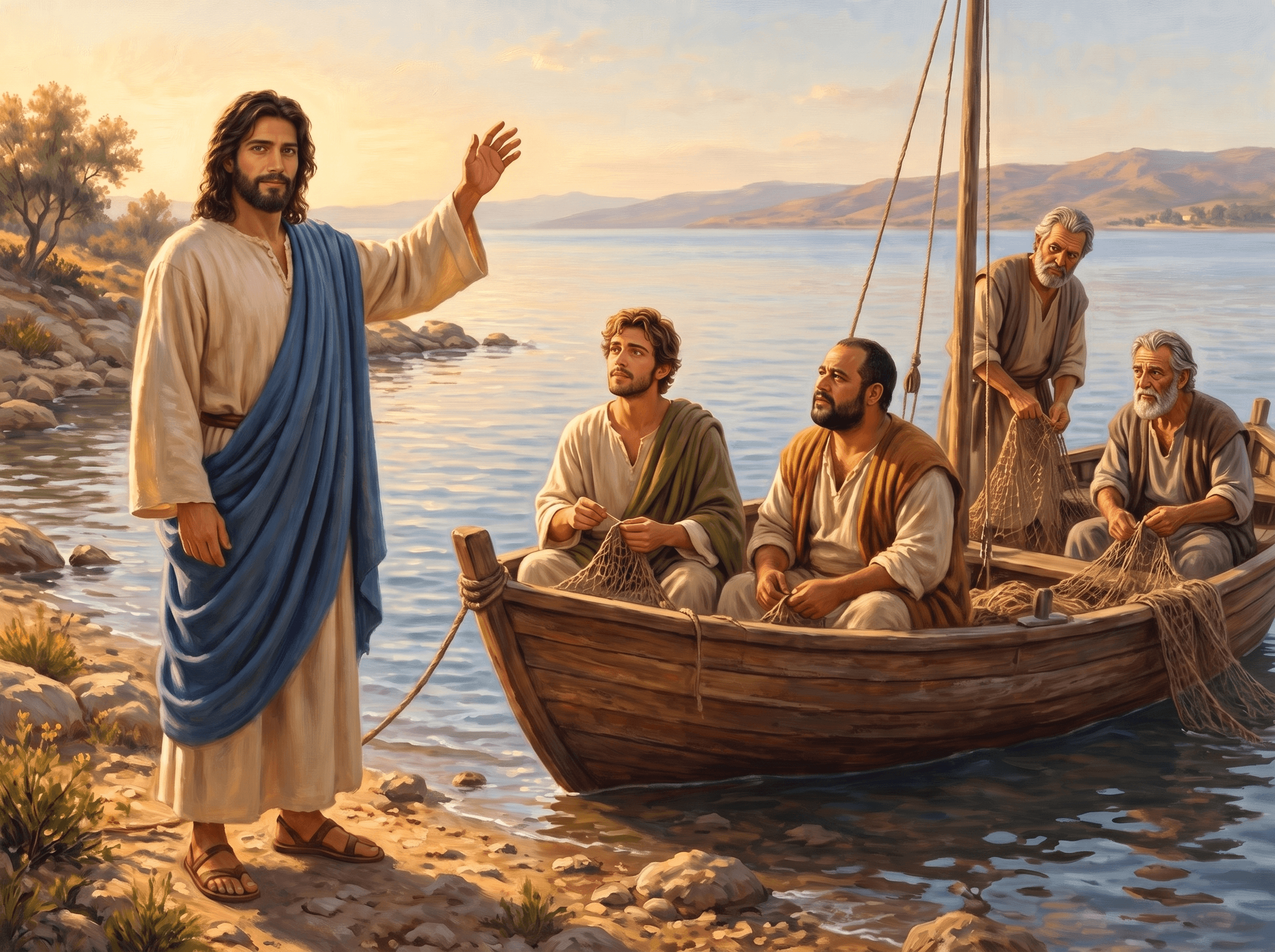
Illustrated scene from John the Apostle's story: Mending Their Nets (Mark 1:19–20)
Meet the people of the Bible
Follow their lives in order, with illustrated scenes and Bible passages that tell their stories.
 John the Apostle
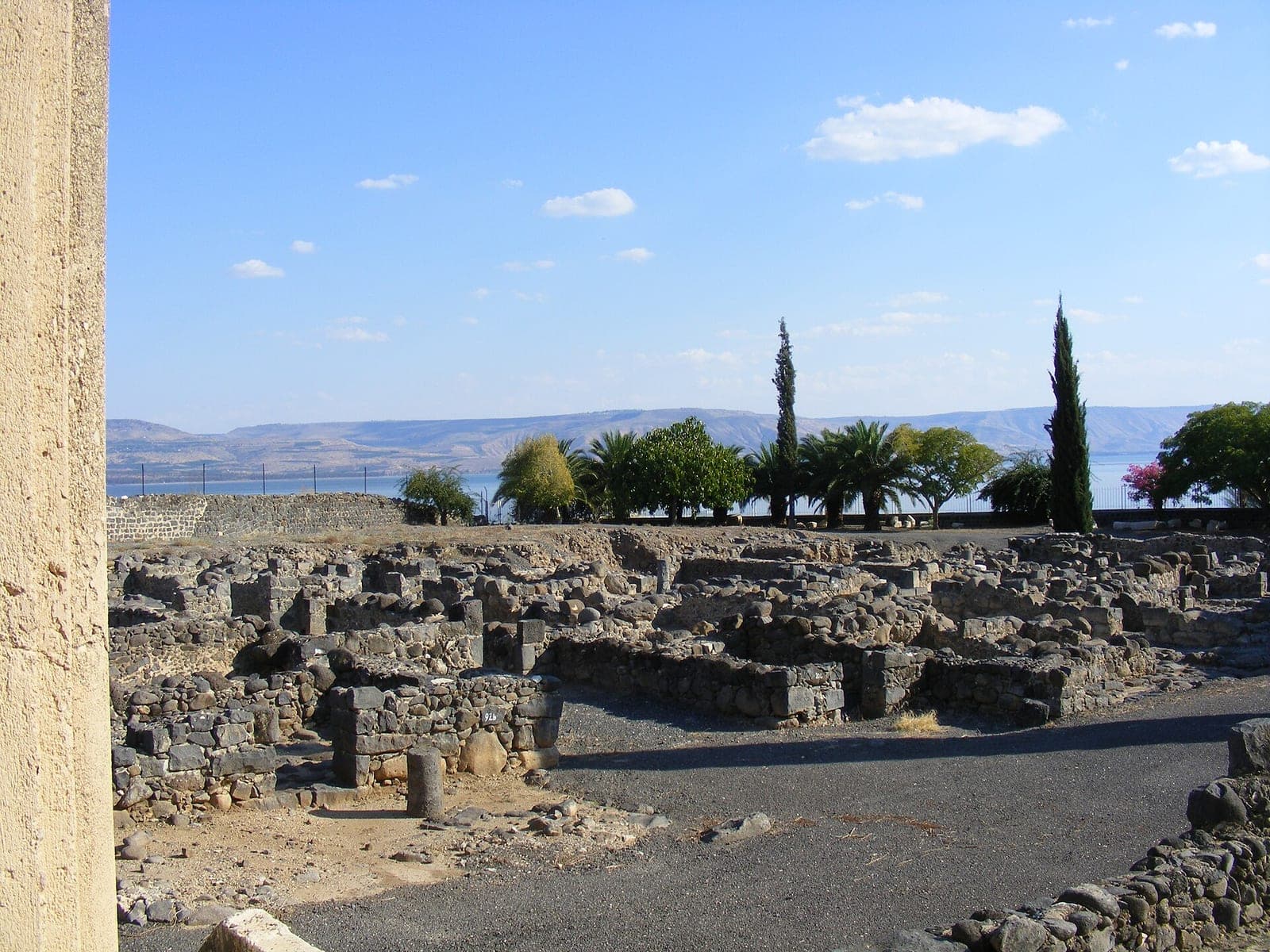
Photo: zeevveez, via Wikimedia Commons. License: CC BY 2.0. Source. Location: Capernaum, on the northern shore of the Sea of Galilee. Resized for the web.
Explore the places of the Bible
See where biblical events happened, why each place matters, and what archaeology helps us understand.
Capernaum
Jesus' home base by the Sea of Galilee, and the town where Peter lived.
Get full access with one subscription
Explore the people and places of the Bible. Read summaries of every book, with images and clear explanations covering every chapter. Access all these features and our Bible study tools with one subscription.
See PlansAsk AI about Hebrews 13:20
Ask a question about this verse and get a clear answer, with Bible references you can read for yourself.
Every Bible book, explained chapter by chapter
Explore summaries of every book of the Bible, with images and easy-to-understand explanations covering every chapter.
Keep studying Hebrews 13:20
Related Bible verses
Key themes
Related topics
At a Glance — the Book of Hebrews
- Author
- Author unknown; traditionally attributed to Paul
- Written
- Around AD 60-70
- Genre
- Letter and sermon
- Original Audience
- Jewish Christians
Frequently Asked Questions
Quick, clear answers about this verse
What does Hebrews 13:20 mean?
Hebrews 13:20 refers to God as the 'God of peace' who raised Jesus from the dead, emphasizing His power and the significance of Jesus as the shepherd of believers. It highlights the eternal covenant established through Jesus' sacrifice, assuring believers of their salvation and peace with God.
What is the meaning of 'God of peace' in Hebrews 13:20?
The term 'God of peace' in Hebrews 13:20 signifies God's role in providing tranquility and harmony to believers. It underscores His ability to bring peace into the lives of those who trust in Him, especially through the resurrection of Jesus.
What does 'the blood of the eternal covenant' mean in Hebrews 13:20?
'The blood of the eternal covenant' refers to the sacrificial death of Jesus, which establishes a lasting relationship between God and humanity. This phrase emphasizes that the covenant is not temporary but eternal, offering believers assurance of salvation.
How does Hebrews 13:20 relate to salvation?
Hebrews 13:20 relates to salvation by affirming that through Jesus' resurrection and the eternal covenant established by His blood, believers can have assurance of their salvation and a restored relationship with God.
Daily Verse — straight to your inbox
A verse and a 2-sentence plain-English explanation, every morning. Free. Unsubscribe anytime.