New Testament
Hebrews 13:5
Read the Bible in clear, modern English—easy to understand, faithful to the meaning, and written for everyday readers.
Live free from the love of money, and be satisfied with what you have. After all, God himself has said, "I will never leave you, and I will never abandon you."
Compare translations
Let your conversation be without covetousness; and be content with such things as ye have: for he hath said, I will never leave thee, nor forsake thee.
What Hebrews 13:5 means
Plain-English insight for readers
In Hebrews 13:5, the author encourages believers to avoid the love of money and to find contentment in what they already possess. This teaching emphasizes that material wealth should not be the focus of our lives. Instead, we should trust in God's promise to always be with us. The phrase 'I will never leave you, nor forsake you' reassures us of God's constant presence and support, which is far more valuable than any earthly possessions. By cultivating a heart of gratitude and satisfaction, we can experience true peace and joy, knowing that God is our provider and protector. This verse challenges us to reflect on our priorities and to seek fulfillment in our relationship with God rather than in material things.
How to apply Hebrews 13:5 to your life
To apply this verse, focus on being grateful for what you have rather than longing for more. Regularly remind yourself of God's promises and presence in your life. Consider ways to simplify your lifestyle and reduce the influence of materialism, fostering a deeper relationship with God.
Curated for this public verse page. Hebrews Summary · Hebrews 13:5 Meaning
Explore more of the Bible
Learn the Bible through its people and places
Get to know the people in Scripture through illustrated stories, and explore the places where they lived and traveled.
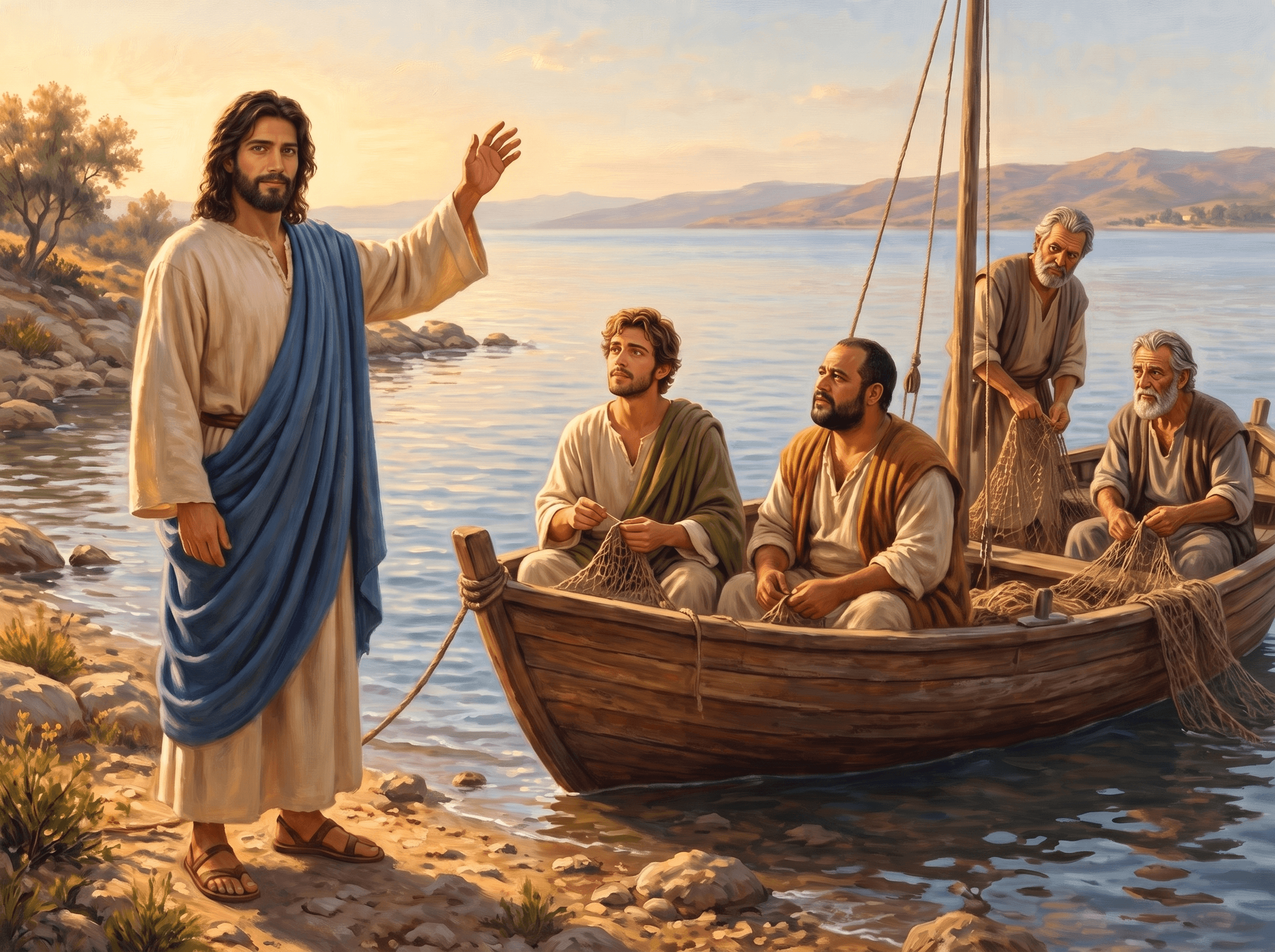
Illustrated scene from John the Apostle's story: Mending Their Nets (Mark 1:19–20)
Meet the people of the Bible
Follow their lives in order, with illustrated scenes and Bible passages that tell their stories.
 John the Apostle
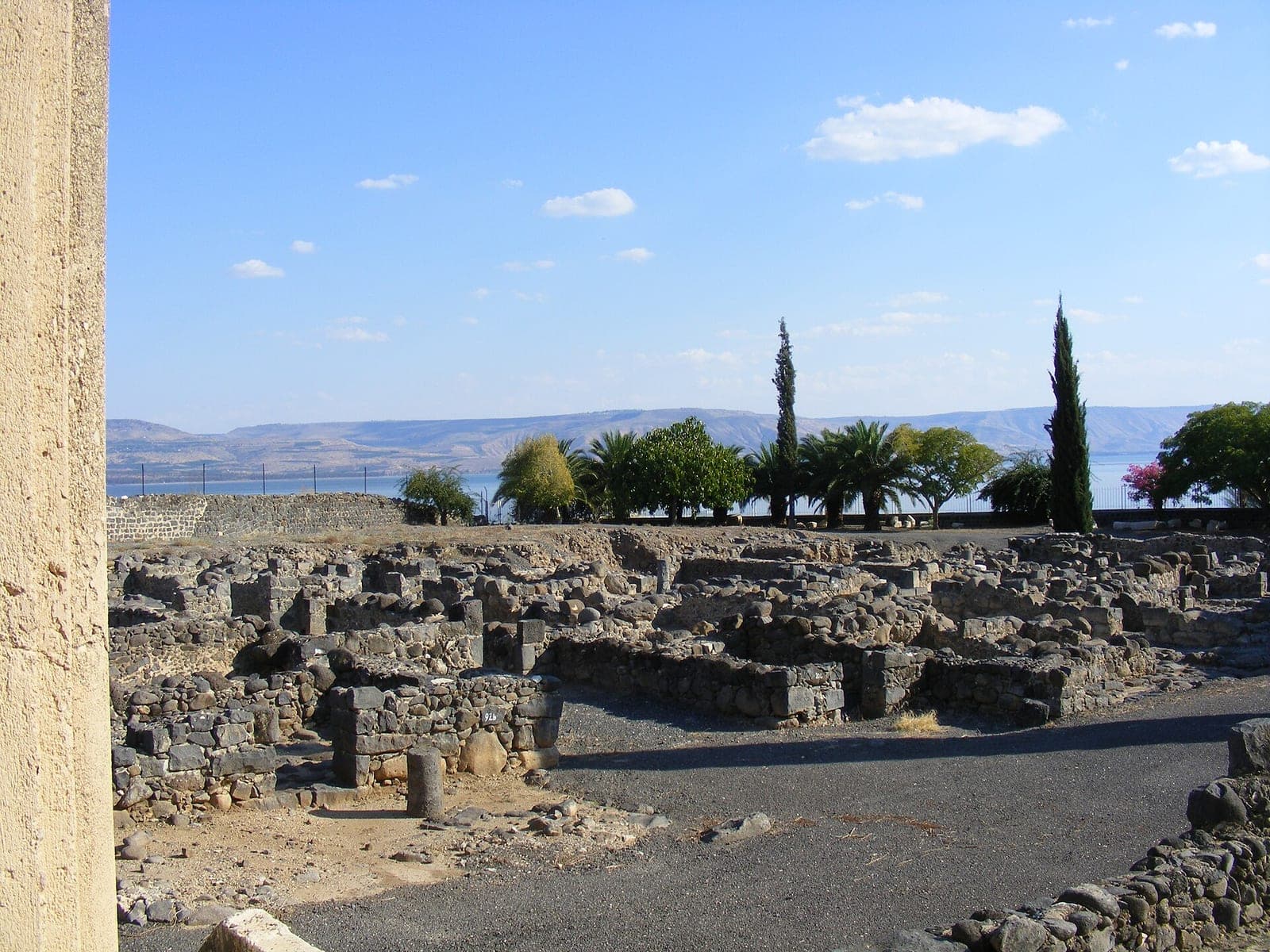
Photo: zeevveez, via Wikimedia Commons. License: CC BY 2.0. Source. Location: Capernaum, on the northern shore of the Sea of Galilee. Resized for the web.
Explore the places of the Bible
See where biblical events happened, why each place matters, and what archaeology helps us understand.
Capernaum
Jesus' home base by the Sea of Galilee, and the town where Peter lived.
Get full access with one subscription
Explore the people and places of the Bible. Read summaries of every book, with images and clear explanations covering every chapter. Access all these features and our Bible study tools with one subscription.
See PlansAsk AI about Hebrews 13:5
Ask a question about this verse and get a clear answer, with Bible references you can read for yourself.
Fuller verse explanations
Explore what a verse means, what was happening around it, and how it connects to other Bible passages.
Plain Meaning
In the KJV, "conversation" means way of life, not talking. So the verse says: keep your whole way of life free from covetousness — that is, from craving more money or possessions. Be satisfied with what you already have. The reason given is a promise from God: He will never leave you or abandon you. Because God stays with you, you do not need to grasp for more.
Read It in Context
This verse is part of a closing list of practical commands. The verse right after it (verse 6) draws a direct conclusion: because God will not forsake you, you can say without fear that the Lord is your helper.
The full Clear view adds what to notice, common misreadings, and the passage that best explains this one — for Hebrews 13:5 and any verse in the Bible.
Every Bible book, explained chapter by chapter
Explore summaries of every book of the Bible, with images and easy-to-understand explanations covering every chapter.
Keep studying Hebrews 13:5
Related Bible verses
Key themes
Related topics
At a Glance — the Book of Hebrews
- Author
- Author unknown; traditionally attributed to Paul
- Written
- Around AD 60-70
- Genre
- Letter and sermon
- Original Audience
- Jewish Christians
Frequently Asked Questions
Quick, clear answers about this verse
What does Hebrews 13:5 mean?
Hebrews 13:5 encourages believers to avoid being overly attached to money and to find contentment in what they already have. It emphasizes trusting in God's promise to always be present and supportive.
What is the meaning of 'I will never leave you, nor forsake you' in Hebrews 13:5?
The phrase 'I will never leave you, nor forsake you' reassures believers that God is always with them, providing comfort and support, regardless of their circumstances.
How can I apply Hebrews 13:5 in my life?
To apply Hebrews 13:5, practice gratitude for what you have and remind yourself of God's promises. Consider simplifying your lifestyle to reduce material desires and deepen your relationship with God.
What themes are present in Hebrews 13:5?
Key themes in Hebrews 13:5 include contentment, trust in God, avoiding greed, the importance of gratitude, and the contrast between materialism and spirituality.
Daily Verse — straight to your inbox
A verse and a 2-sentence plain-English explanation, every morning. Free. Unsubscribe anytime.