New Testament
Hebrews 8:7
Read the Bible in clear, modern English—easy to understand, faithful to the meaning, and written for everyday readers.
If that first covenant had been without flaws, there would have been no need for a second one.
Compare translations
For if that first covenant had been faultless, then should no place have been sought for the second.
What Hebrews 8:7 means
Plain-English insight for readers
In Hebrews 8:7, the author emphasizes that the first covenant, which refers to the agreement God made with Israel through Moses, had shortcomings. If it had been perfect and sufficient, there would have been no need for a new covenant through Jesus Christ. This verse highlights the transition from the old covenant, based on the law, to the new covenant, which is based on grace and faith. The new covenant offers a better relationship with God, one that is not dependent on human ability to follow the law perfectly. The flaws of the first covenant were not in God's promises but in humanity's inability to uphold their end of the agreement. This sets the stage for understanding the significance of Jesus' sacrifice and the establishment of a new way to relate to God, one that is accessible to all believers.
How to apply Hebrews 8:7 to your life
Understanding the limitations of the old covenant helps us appreciate the grace offered through the new covenant in Christ. We should rely on faith rather than our own efforts to earn God's favor. This encourages us to embrace a personal relationship with God, grounded in love and grace.
Curated for this public verse page. Hebrews Summary
Explore more of the Bible
Learn the Bible through its people and places
Get to know the people in Scripture through illustrated stories, and explore the places where they lived and traveled.
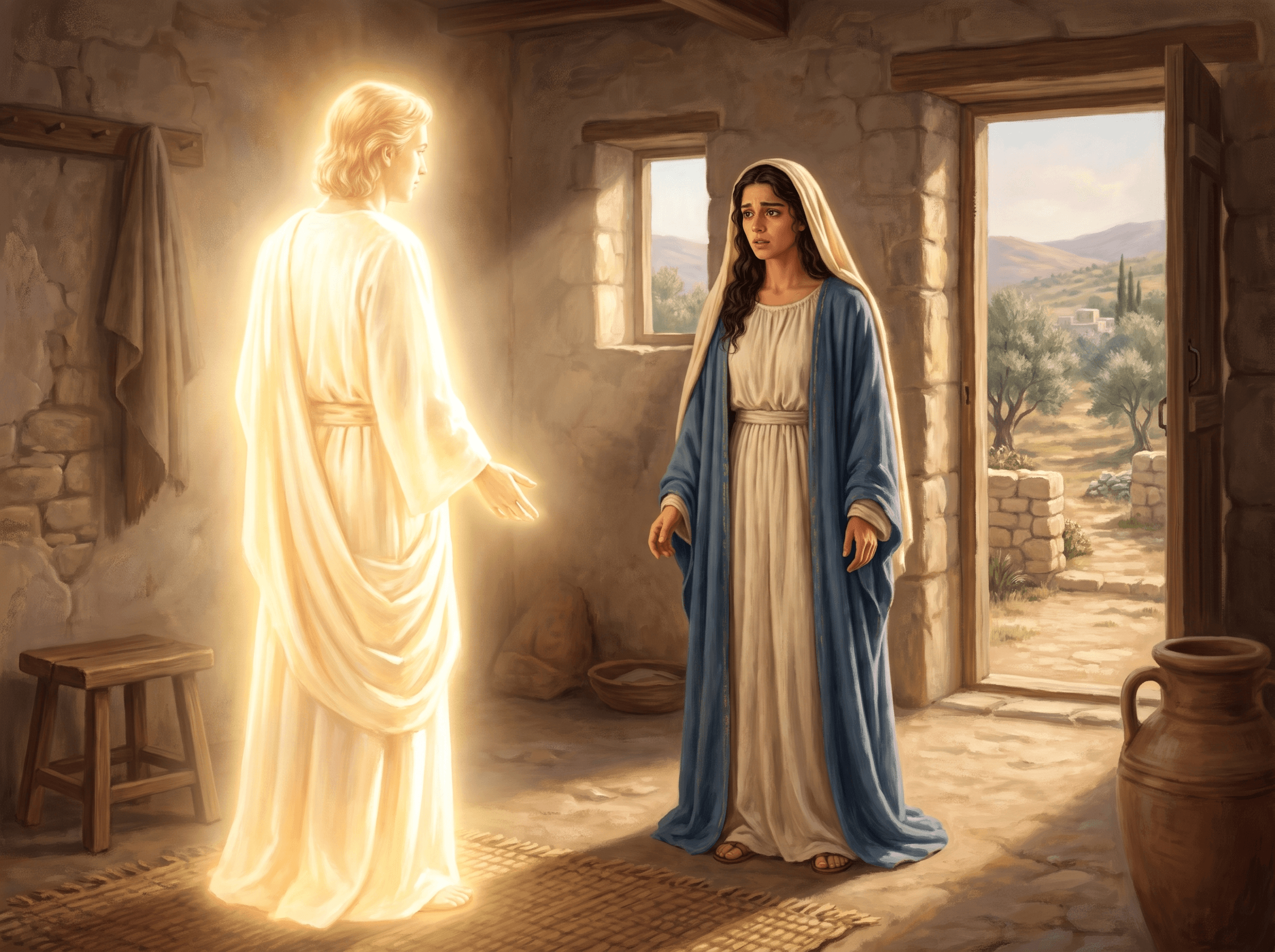
Illustrated scene from Mary, Jesus' mother's story: An Angel Visits Mary (Luke 1:26–38)
Meet the people of the Bible
Follow their lives in order, with illustrated scenes and Bible passages that tell their stories.
 Mary, Jesus' mother
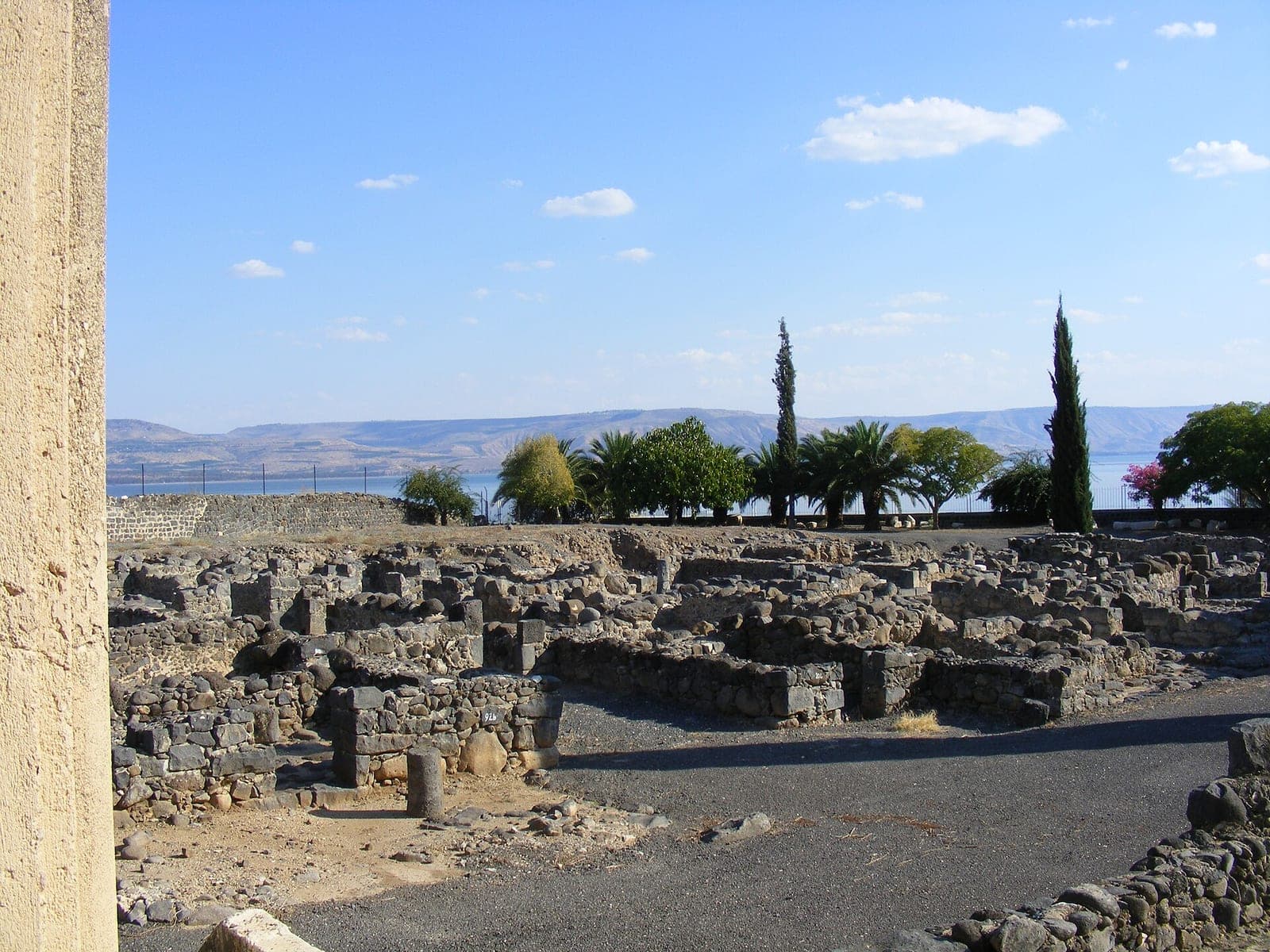
Photo: zeevveez, via Wikimedia Commons. License: CC BY 2.0. Source. Location: Capernaum, on the northern shore of the Sea of Galilee. Resized for the web.
Explore the places of the Bible
See where biblical events happened, why each place matters, and what archaeology helps us understand.
Capernaum
Jesus' home base by the Sea of Galilee, and the town where Peter lived.
Get full access with one subscription
Explore the people and places of the Bible. Read summaries of every book, with images and clear explanations covering every chapter. Access all these features and our Bible study tools with one subscription.
See PlansAsk AI about Hebrews 8:7
Ask a question about this verse and get a clear answer, with Bible references you can read for yourself.
Every Bible book, explained chapter by chapter
Explore summaries of every book of the Bible, with images and easy-to-understand explanations covering every chapter.
Keep studying Hebrews 8:7
Related Bible verses
At a Glance — the Book of Hebrews
- Author
- Author unknown; traditionally attributed to Paul
- Written
- Around AD 60-70
- Genre
- Letter and sermon
- Original Audience
- Jewish Christians
Frequently Asked Questions
Quick, clear answers about this verse
What does Hebrews 8:7 mean?
Hebrews 8:7 explains that the first covenant God made with Israel had flaws, indicating that it was not perfect. Because of these shortcomings, a new covenant through Jesus was necessary to establish a better relationship with God.
What is the significance of the first covenant in Hebrews 8:7?
The first covenant, made through Moses, is significant because it highlights humanity's inability to fully uphold God's laws. This sets the stage for the introduction of the new covenant, which offers grace and faith as the means to relate to God.
What does 'faultless' mean in Hebrews 8:7?
In Hebrews 8:7, 'faultless' refers to the idea that the first covenant had imperfections and could not fully meet God's requirements for a relationship with His people. This indicates the need for a new, better covenant.
How does Hebrews 8:7 relate to the new covenant?
Hebrews 8:7 shows that the flaws of the first covenant necessitated the establishment of a new covenant through Jesus Christ, which provides a more effective way for believers to connect with God based on grace rather than strict adherence to the law.
Daily Verse — straight to your inbox
A verse and a 2-sentence plain-English explanation, every morning. Free. Unsubscribe anytime.