New Testament
Hebrews 9:19
Read the Bible in clear, modern English—easy to understand, faithful to the meaning, and written for everyday readers.
For when Moses had spoken every commandment to all the people according to the law, he took the blood of calves and goats, along with water, scarlet wool, and hyssop, and sprinkled both the book and all the people.
Compare translations
For when Moses had spoken every precept to all the people according to the law, he took the blood of calves and of goats, with water, and scarlet wool, and hyssop, and sprinkled both the book, and all the people,
What Hebrews 9:19 means
Plain-English insight for readers
In this verse, the author of Hebrews recounts an important event from the Old Testament when Moses established the covenant between God and the Israelites. After delivering God's commandments, Moses performed a ritual involving the blood of calves and goats, which symbolized purification and atonement. He mixed the blood with water, scarlet wool, and hyssop, and then sprinkled it on the book of the law and the people. This act signified the seriousness of the covenant and the need for cleansing from sin. The use of blood in this context highlights the concept of sacrifice, which is central to the understanding of the relationship between God and His people. It foreshadows the ultimate sacrifice of Jesus Christ, who would later fulfill the requirements of the law and provide a new covenant through His own blood. This ritual was a powerful reminder of the holiness of God and the need for His people to be set apart and cleansed.
How to apply Hebrews 9:19 to your life
This verse reminds us of the importance of obedience to God's commands and the need for spiritual cleansing. Just as Moses used blood to signify the covenant, we should recognize the significance of Christ's sacrifice in our lives. We are called to live in a way that honors this new covenant.
Curated for this public verse page. Hebrews Summary
Explore more of the Bible
Learn the Bible through its people and places
Get to know the people in Scripture through illustrated stories, and explore the places where they lived and traveled.
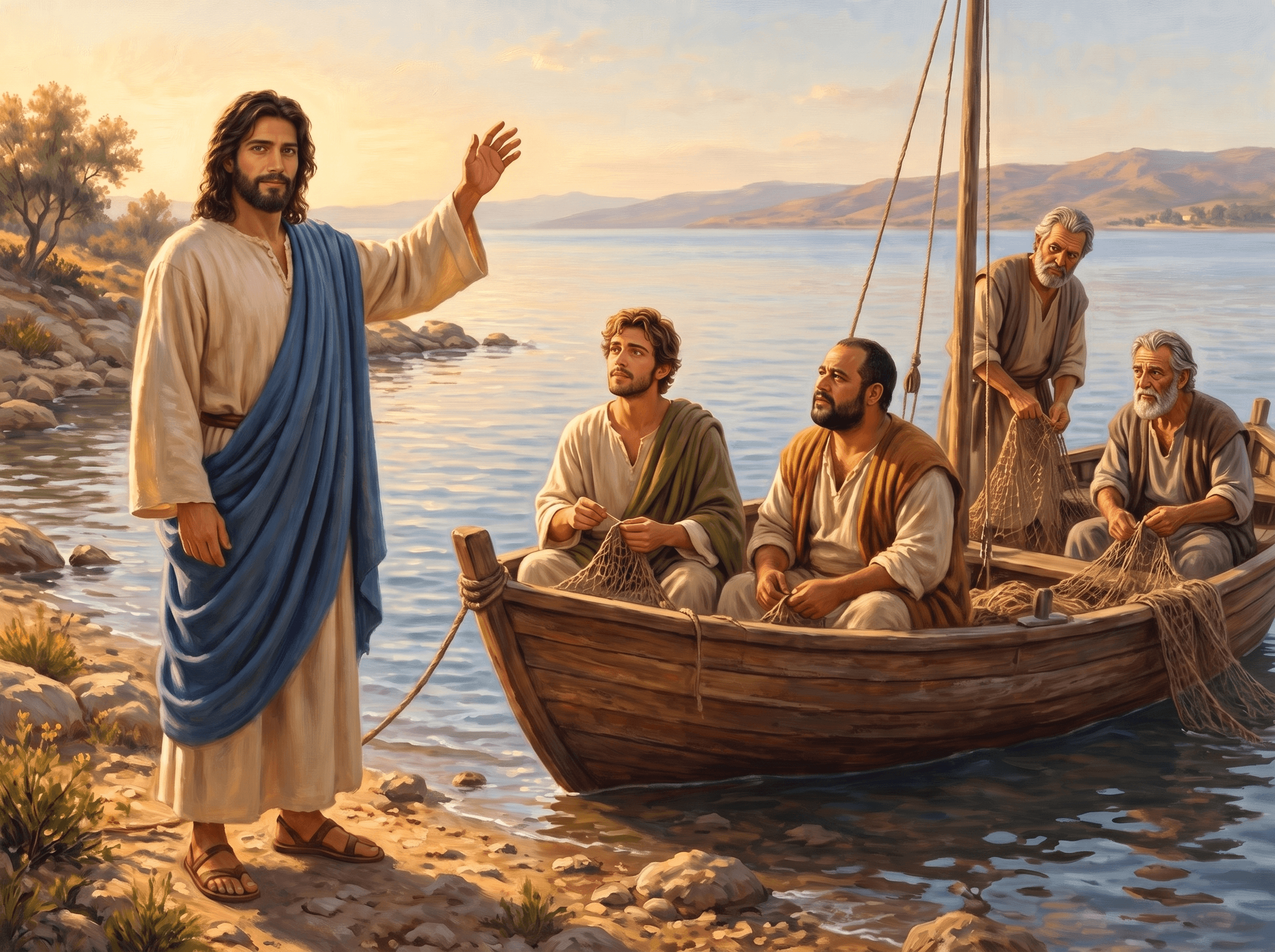
Illustrated scene from John the Apostle's story: Mending Their Nets (Mark 1:19–20)
Meet the people of the Bible
Follow their lives in order, with illustrated scenes and Bible passages that tell their stories.
 John the Apostle

Photo: Gary Todd (Gary Lee Todd, Ph.D.), via Wikimedia Commons. License: CC0 1.0 Universal Public Domain Dedication. Source. Location: Southern end of the Temple Mount, Jerusalem Old City. Resized for the web.
Explore the places of the Bible
See where biblical events happened, why each place matters, and what archaeology helps us understand.
Jerusalem
David's capital, the city of the temple, and the place where Jesus died and rose again.
Get full access with one subscription
Explore the people and places of the Bible. Read summaries of every book, with images and clear explanations covering every chapter. Access all these features and our Bible study tools with one subscription.
See PlansAsk AI about Hebrews 9:19
Ask a question about this verse and get a clear answer, with Bible references you can read for yourself.
Every Bible book, explained chapter by chapter
Explore summaries of every book of the Bible, with images and easy-to-understand explanations covering every chapter.
Keep studying Hebrews 9:19
Related Bible verses
Related topics
At a Glance — the Book of Hebrews
- Author
- Author unknown; traditionally attributed to Paul
- Written
- Around AD 60-70
- Genre
- Letter and sermon
- Original Audience
- Jewish Christians
Frequently Asked Questions
Quick, clear answers about this verse
What does Hebrews 9:19 teach about Moses' actions?
Hebrews 9:19 recounts how Moses, after delivering God's commandments, performed a significant ritual involving the blood of calves and goats. This act was part of establishing the covenant between God and the Israelites, symbolizing purification and atonement. By sprinkling the blood mixed with water, scarlet wool, and hyssop on the book of the law and the people, Moses emphasized the seriousness of the covenant and the necessity for cleansing from sin.
How does Hebrews 9:19 relate to the concept of sacrifice?
In Hebrews 9:19, the use of blood in Moses' ritual highlights the importance of sacrifice in the relationship between God and His people. The blood of the calves and goats represented atonement for sin and the need for purification. This foreshadows the ultimate sacrifice of Jesus Christ, whose blood establishes a new covenant, fulfilling the requirements of the law and providing a means for spiritual cleansing and reconciliation with God.
What is the significance of the covenant in Hebrews 9:19?
The covenant mentioned in Hebrews 9:19 is significant because it represents the formal agreement between God and the Israelites, establishing their relationship and obligations. Moses' ritual, which included the sprinkling of blood, signified the seriousness of this covenant and the need for the people to be cleansed from sin. It serves as a reminder of God's holiness and the importance of obedience to His commands, which is foundational to the faith.
How can we apply Hebrews 9:19 to our lives today?
Hebrews 9:19 encourages us to recognize the importance of obedience to God's commands and the need for spiritual cleansing in our lives. Just as Moses used blood to signify the covenant, we should appreciate the significance of Christ's sacrifice for us. This verse calls us to live in a way that honors the new covenant established by Jesus, embracing the themes of purification, atonement, and holiness in our daily actions and decisions.
Daily Verse — straight to your inbox
A verse and a 2-sentence plain-English explanation, every morning. Free. Unsubscribe anytime.