New Testament
Hebrews 9:2
Read the Bible in clear, modern English—easy to understand, faithful to the meaning, and written for everyday readers.
A tabernacle was set up; in the first part were the lampstand, the table, and the bread of the Presence; which is called the sanctuary.
Compare translations
For there was a tabernacle made; the first, wherein was the candlestick, and the table, and the shewbread; which is called the sanctuary.
What Hebrews 9:2 means
Plain-English insight for readers
In Hebrews 9:2, the author describes the structure of the tabernacle, which was a portable sanctuary used by the Israelites during their journey in the wilderness. The first part of the tabernacle, known as the sanctuary, contained important items: the lampstand, the table, and the bread of the Presence. The lampstand provided light, symbolizing God's presence, while the table held the bread of the Presence, representing God's provision and fellowship with His people. This description highlights the significance of the tabernacle as a place where God dwelled among His people and where they could worship Him. The tabernacle served as a foreshadowing of the ultimate sacrifice of Jesus Christ, who would fulfill the need for a physical dwelling by offering Himself as the perfect sacrifice for sin. Understanding the elements of the tabernacle helps us appreciate the depth of God's relationship with humanity and the importance of worship in our lives.
How to apply Hebrews 9:2 to your life
This verse encourages us to recognize the importance of worship and the presence of God in our lives. Just as the tabernacle was a place for the Israelites to connect with God, we should create spaces in our lives for prayer, reflection, and communion with Him, acknowledging His provision and guidance.
Curated for this public verse page. Hebrews Summary
Explore more of the Bible
Learn the Bible through its people and places
Get to know the people in Scripture through illustrated stories, and explore the places where they lived and traveled.
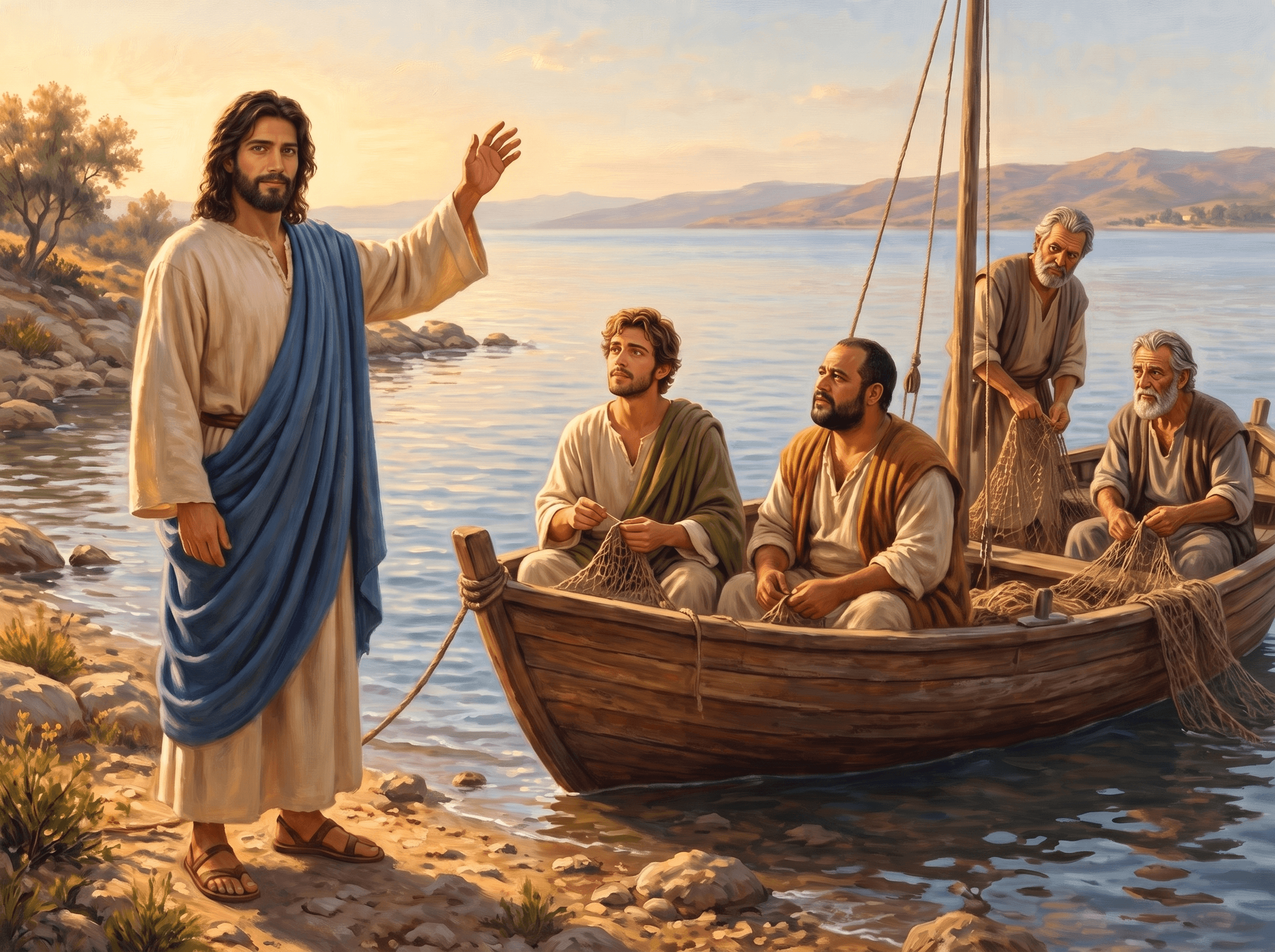
Illustrated scene from John the Apostle's story: Mending Their Nets (Mark 1:19–20)
Meet the people of the Bible
Follow their lives in order, with illustrated scenes and Bible passages that tell their stories.
 John the Apostle

Photo: Gary Todd (Gary Lee Todd, Ph.D.), via Wikimedia Commons. License: CC0 1.0 Universal Public Domain Dedication. Source. Location: Southern end of the Temple Mount, Jerusalem Old City. Resized for the web.
Explore the places of the Bible
See where biblical events happened, why each place matters, and what archaeology helps us understand.
Jerusalem
David's capital, the city of the temple, and the place where Jesus died and rose again.
Get full access with one subscription
Explore the people and places of the Bible. Read summaries of every book, with images and clear explanations covering every chapter. Access all these features and our Bible study tools with one subscription.
See PlansAsk AI about Hebrews 9:2
Ask a question about this verse and get a clear answer, with Bible references you can read for yourself.
Every Bible book, explained chapter by chapter
Explore summaries of every book of the Bible, with images and easy-to-understand explanations covering every chapter.
Keep studying Hebrews 9:2
Related Bible verses
Key themes
Related topics
At a Glance — the Book of Hebrews
- Author
- Author unknown; traditionally attributed to Paul
- Written
- Around AD 60-70
- Genre
- Letter and sermon
- Original Audience
- Jewish Christians
Frequently Asked Questions
Quick, clear answers about this verse
What does Hebrews 9:2 mean?
Hebrews 9:2 describes the tabernacle's structure, specifically the sanctuary, which housed the lampstand, table, and bread of the Presence. This verse highlights the significance of these items as symbols of God's presence and provision for His people.
What is the significance of the tabernacle in Hebrews 9:2?
The tabernacle in Hebrews 9:2 represents a sacred space where God dwelled among the Israelites. It served as a place for worship and connection with God, foreshadowing the ultimate sacrifice of Jesus Christ.
What does the bread of the Presence represent in Hebrews 9:2?
In Hebrews 9:2, the bread of the Presence symbolizes God's provision and fellowship with His people. It was a reminder of God's sustenance and the relationship He desires with His followers.
What items are mentioned in Hebrews 9:2?
Hebrews 9:2 mentions three key items in the tabernacle's sanctuary: the lampstand, the table, and the bread of the Presence. Each of these items holds significant meaning related to God's presence and worship.
Daily Verse — straight to your inbox
A verse and a 2-sentence plain-English explanation, every morning. Free. Unsubscribe anytime.