Old Testament
Hosea 10:1
Read the Bible in clear, modern English—easy to understand, faithful to the meaning, and written for everyday readers.
Israel is an empty vine, producing fruit only for itself. The more fruit it produced, the more altars it built; the better the land, the more they made goodly images.
Compare translations
Israel is an empty vine, he bringeth forth fruit unto himself: according to the multitude of his fruit he hath increased the altars; according to the goodness of his land they have made goodly images.
What Hosea 10:1 means
Plain-English insight for readers
In Hosea 10:1, Israel is compared to an empty vine, suggesting that while it may appear fruitful, it is ultimately unproductive in a spiritual sense. The verse highlights that the more Israel prospered and produced, the more they turned away from God by building altars and images for worship. Instead of using their blessings to honor God, they focused on their own desires and created idols, which led to their spiritual emptiness. This reflects a deeper issue of misplaced priorities, where the abundance of material success did not translate into a genuine relationship with God. The imagery of the vine emphasizes that true fruitfulness comes from a connection to God, rather than self-serving actions. This verse serves as a warning against the dangers of idolatry and self-reliance, urging believers to seek God first and use their blessings for His glory rather than their own.
How to apply Hosea 10:1 to your life
This verse encourages us to examine our own lives for signs of spiritual emptiness. Are we using our blessings to serve ourselves or to honor God? We should strive to prioritize our relationship with God and ensure that our actions reflect our faith, avoiding the temptation to create modern idols.
Curated for this public verse page. Hosea Summary
Explore more of the Bible
Learn the Bible through its people and places
Get to know the people in Scripture through illustrated stories, and explore the places where they lived and traveled.

Illustrated scene from Moses's story: Israel Enslaved in Egypt (Exodus 1:8–22)
Meet the people of the Bible
Follow their lives in order, with illustrated scenes and Bible passages that tell their stories.
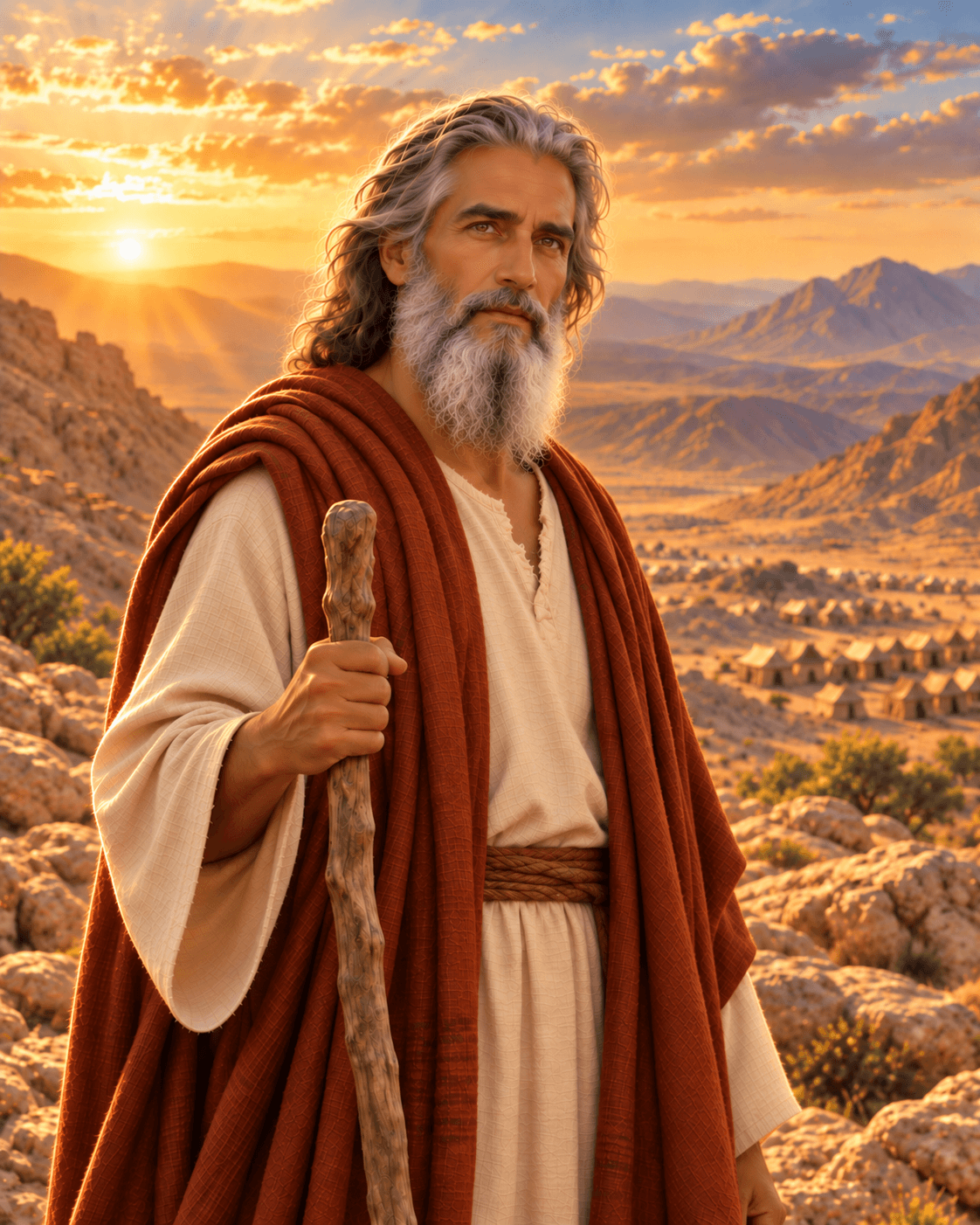 Moses
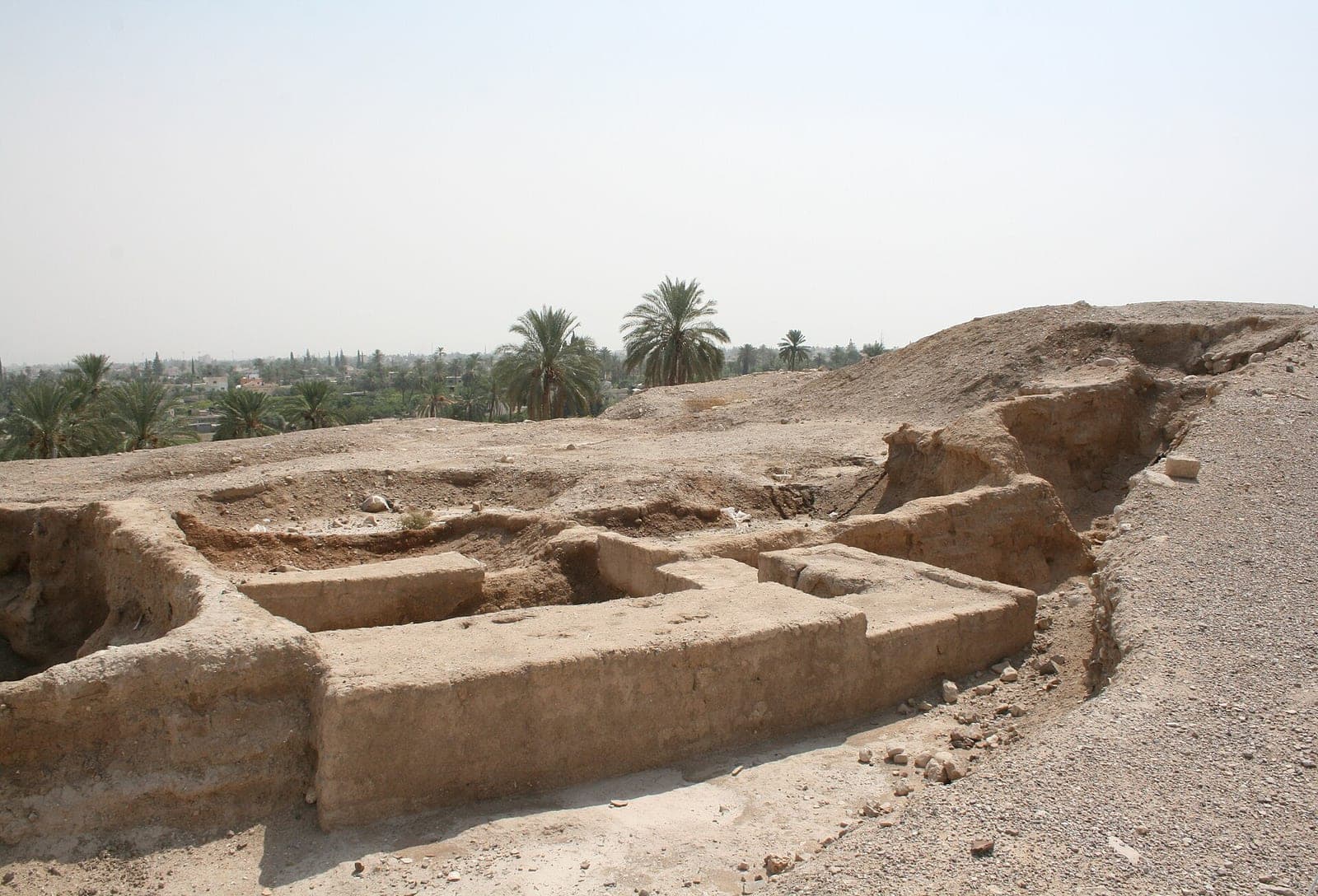
Photo: Diego Delso, via Wikimedia Commons. License: CC BY-SA 3.0. Source. Location: Tell es-Sultan, Jericho, West Bank. Resized for the web.
Explore the places of the Bible
See where biblical events happened, why each place matters, and what archaeology helps us understand.
Jericho
The city of palm trees, whose walls fell in Joshua's day.
Get full access with one subscription
Explore the people and places of the Bible. Read summaries of every book, with images and clear explanations covering every chapter. Access all these features and our Bible study tools with one subscription.
See PlansAsk AI about Hosea 10:1
Ask a question about this verse and get a clear answer, with Bible references you can read for yourself.
Every Bible book, explained chapter by chapter
Explore summaries of every book of the Bible, with images and easy-to-understand explanations covering every chapter.
Keep studying Hosea 10:1
Related Bible verses
Key themes
At a Glance — the Book of Hosea
- Author
- Hosea the prophet
- Written
- Around 750 BC
- Genre
- Prophecy
- Original Audience
- The northern kingdom of Israel
Frequently Asked Questions
Quick, clear answers about this verse
What does Hosea 10:1 mean?
Hosea 10:1 compares Israel to an empty vine, indicating that while they may seem productive, they are spiritually unfruitful. The verse illustrates how Israel's prosperity led them to build altars and idols instead of honoring God.
What is the significance of the empty vine in Hosea 10:1?
The empty vine in Hosea 10:1 symbolizes Israel's lack of true spiritual fruitfulness despite their outward success. It highlights the danger of focusing on material gains while neglecting a genuine relationship with God.
What does the phrase 'producing fruit only for itself' mean in Hosea 10:1?
The phrase 'producing fruit only for itself' means that Israel's achievements were self-serving rather than honoring God. It reflects a focus on personal desires rather than fulfilling God's purpose.
How does Hosea 10:1 relate to idolatry?
Hosea 10:1 relates to idolatry by showing that Israel's prosperity led them to create altars and images for worship instead of worshiping God. This illustrates the danger of allowing material success to distract from spiritual devotion.
Daily Verse — straight to your inbox
A verse and a 2-sentence plain-English explanation, every morning. Free. Unsubscribe anytime.