Old Testament
Hosea 2:16
Read the Bible in clear, modern English—easy to understand, faithful to the meaning, and written for everyday readers.
And on that day," says the LORD, "you will call me Ishi and will no longer call me Baali.
Compare translations
And it shall be at that day, saith the LORD, that thou shalt call me Ishi; and shalt call me no more Baali.
What Hosea 2:16 means
Plain-English insight for readers
In Hosea 2:16, God speaks about a future time when His relationship with His people will change significantly. The name 'Ishi' means 'my husband,' indicating a close, intimate relationship based on love and commitment. In contrast, 'Baali' means 'my master,' which suggests a more distant, servile relationship. God desires His people to see Him not just as a ruler but as a loving partner. This shift signifies a restoration of the covenant relationship, where love and loyalty replace mere obligation. The verse highlights God's longing for a deeper connection with His people, emphasizing that He wants them to recognize Him as a loving spouse rather than a distant deity. This transformation reflects the broader theme of redemption and reconciliation found throughout the book of Hosea, where God seeks to bring His people back to Himself despite their unfaithfulness.
How to apply Hosea 2:16 to your life
This verse encourages us to view our relationship with God as one of love and intimacy rather than mere duty. We should strive to deepen our connection with Him, recognizing His desire for a personal relationship. By calling on Him as 'Ishi,' we embrace His love and commitment, fostering a more profound faith.
Curated for this public verse page. Hosea Summary
Explore more of the Bible
Learn the Bible through its people and places
Get to know the people in Scripture through illustrated stories, and explore the places where they lived and traveled.

Illustrated scene from Daniel's story: Faithful at the King's Table (Daniel 1:1–21)
Meet the people of the Bible
Follow their lives in order, with illustrated scenes and Bible passages that tell their stories.
 Daniel
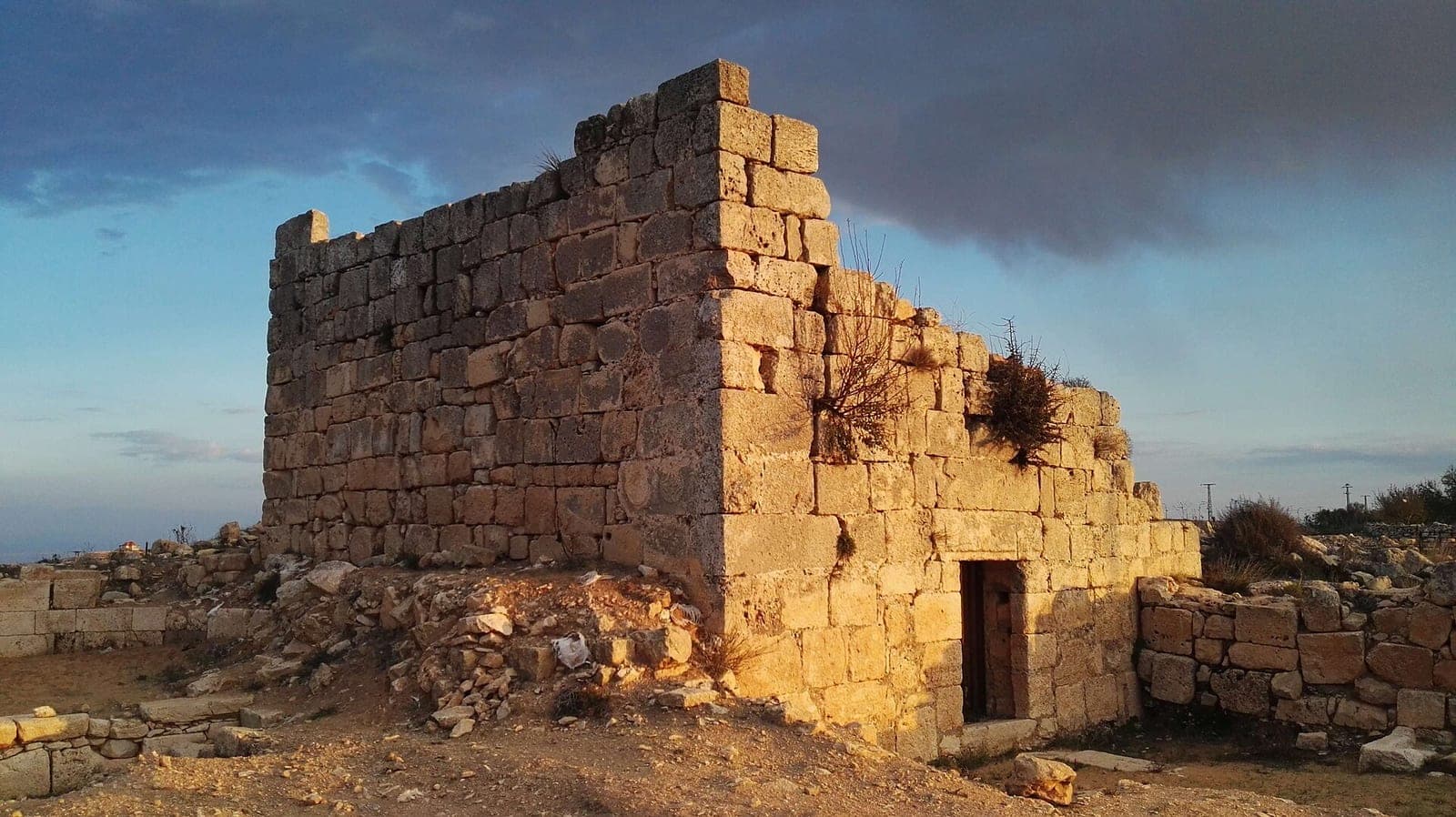
Photo: Bukvoed, via Wikimedia Commons. License: CC BY 4.0. Source. Location: Burj Beitin, Beitin, Ramallah and al-Bireh Governorate, West Bank. Resized for the web.
Explore the places of the Bible
See where biblical events happened, why each place matters, and what archaeology helps us understand.
Bethel
Where Jacob dreamed of a stairway to heaven and met God.
Get full access with one subscription
Explore the people and places of the Bible. Read summaries of every book, with images and clear explanations covering every chapter. Access all these features and our Bible study tools with one subscription.
See PlansAsk AI about Hosea 2:16
Ask a question about this verse and get a clear answer, with Bible references you can read for yourself.
Every Bible book, explained chapter by chapter
Explore summaries of every book of the Bible, with images and easy-to-understand explanations covering every chapter.
Keep studying Hosea 2:16
Related Bible verses
Key themes
Related topics
At a Glance — the Book of Hosea
- Author
- Hosea the prophet
- Written
- Around 750 BC
- Genre
- Prophecy
- Original Audience
- The northern kingdom of Israel
Frequently Asked Questions
Quick, clear answers about this verse
What does Hosea 2:16 mean?
Hosea 2:16 describes a future transformation in the relationship between God and His people, where they will refer to Him as 'Ishi,' meaning 'my husband,' indicating a close, loving bond instead of a distant, master-servant dynamic.
What themes are present in Hosea 2:16?
Hosea 2:16 highlights themes of intimacy with God, the covenant relationship, redemption, transformation, and the importance of love over obligation in our relationship with Him.
How can we apply Hosea 2:16 in our lives?
We can apply Hosea 2:16 by striving to deepen our relationship with God, viewing Him as a loving partner rather than just a ruler, and embracing His desire for a personal connection.
Daily Verse — straight to your inbox
A verse and a 2-sentence plain-English explanation, every morning. Free. Unsubscribe anytime.