Old Testament
Hosea 8:5
Read the Bible in clear, modern English—easy to understand, faithful to the meaning, and written for everyday readers.
Samaria, your calf has rejected you; my anger burns against them. How long will they be unable to attain innocence?
Compare translations
Thy calf, O Samaria, hath cast thee off; mine anger is kindled against them: how long will it be ere they attain to innocency?
What Hosea 8:5 means
Plain-English insight for readers
In this verse, God expresses His anger towards the people of Samaria for their idolatry, symbolized by the calf they worship. The calf represents their rejection of God and their choice to follow false gods. God is frustrated because, despite their actions, they have not yet realized the seriousness of their sin and the need for repentance. The question "How long will they be unable to attain innocence?" highlights God's desire for them to turn back to Him and seek forgiveness. It reflects His longing for their restoration and the hope that they will eventually recognize their wrongdoing and return to a state of purity and righteousness. This verse serves as a reminder of the consequences of turning away from God and the importance of seeking His forgiveness to regain innocence and a right relationship with Him.
How to apply Hosea 8:5 to your life
This verse encourages us to examine our own lives for any idols we may be worshiping, whether they are material possessions, relationships, or ambitions. It reminds us of the importance of repentance and seeking God's forgiveness. By turning away from our sins and returning to God, we can attain spiritual innocence and restore our relationship with Him.
Curated for this public verse page. Hosea Summary
Explore more of the Bible
Learn the Bible through its people and places
Get to know the people in Scripture through illustrated stories, and explore the places where they lived and traveled.

Illustrated scene from Joseph, Jacob's son's story: Joseph Is Born (Genesis 30:22–24)
Meet the people of the Bible
Follow their lives in order, with illustrated scenes and Bible passages that tell their stories.
 Joseph, Jacob's son
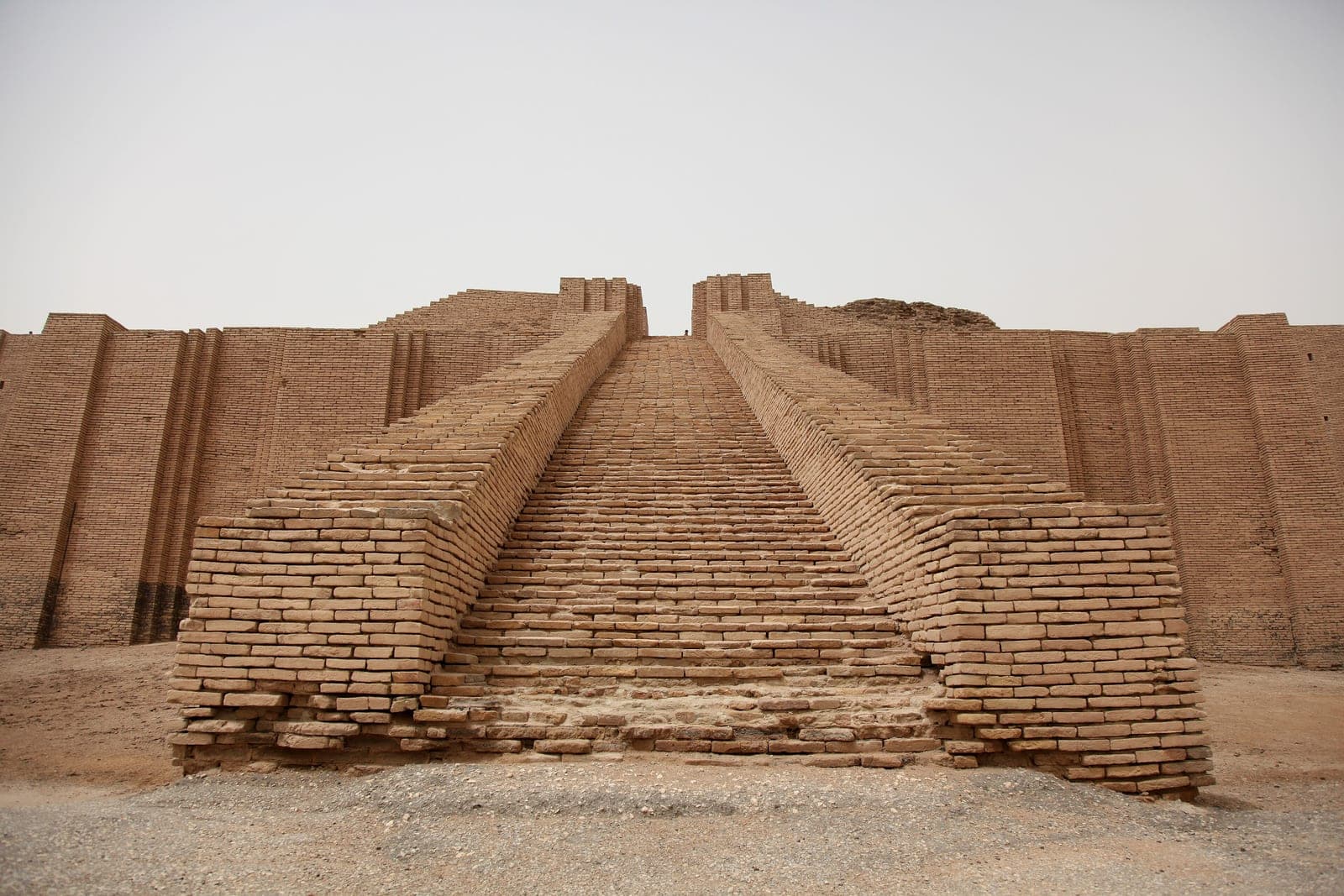
Photo: U.S. Army photo by Spc. Samantha R. Ciaramitaro, via DVIDS and Wikimedia Commons. License: Public domain in the United States — U.S. federal-government work. Source. Location: Great Ziggurat, Ur Archaeological City (Tell el-Mukayyar), Dhi Qar Governorate, Iraq. Resized for the web.
Explore the places of the Bible
See where biblical events happened, why each place matters, and what archaeology helps us understand.
Ur
The city Abram's family left to travel toward Canaan.
Get full access with one subscription
Explore the people and places of the Bible. Read summaries of every book, with images and clear explanations covering every chapter. Access all these features and our Bible study tools with one subscription.
See PlansAsk AI about Hosea 8:5
Ask a question about this verse and get a clear answer, with Bible references you can read for yourself.
Every Bible book, explained chapter by chapter
Explore summaries of every book of the Bible, with images and easy-to-understand explanations covering every chapter.
Keep studying Hosea 8:5
Related Bible verses
Key themes
At a Glance — the Book of Hosea
- Author
- Hosea the prophet
- Written
- Around 750 BC
- Genre
- Prophecy
- Original Audience
- The northern kingdom of Israel
Frequently Asked Questions
Quick, clear answers about this verse
What does the calf symbolize in Hosea 8:5?
In Hosea 8:5, the calf symbolizes the idolatry of the people of Samaria. It represents their rejection of God and their choice to worship false gods, which angers God. The calf is a physical manifestation of their spiritual disobedience and serves as a reminder of the consequences of turning away from true worship.
Why is God angry in Hosea 8:5?
God's anger in Hosea 8:5 stems from the people's persistent idolatry and their failure to recognize the seriousness of their sin. They have turned away from Him to worship a false idol, which leads to their spiritual downfall. God's frustration reflects His desire for them to repent and return to a right relationship with Him.
What does 'attain innocence' mean in this verse?
'Attain innocence' in Hosea 8:5 refers to the people's need to recognize their wrongdoing and seek forgiveness from God. It highlights the importance of repentance and the hope that they can restore their purity and righteousness by turning back to God and abandoning their idolatrous practices.
How can we apply Hosea 8:5 to our lives today?
Hosea 8:5 encourages us to reflect on our own lives for any idols we may be worshiping, such as material possessions or ambitions. It reminds us of the importance of repentance and seeking God's forgiveness. By turning away from our sins and returning to God, we can achieve spiritual innocence and restore our relationship with Him.
Daily Verse — straight to your inbox
A verse and a 2-sentence plain-English explanation, every morning. Free. Unsubscribe anytime.