Old Testament
Isaiah 24:12
Read the Bible in clear, modern English—easy to understand, faithful to the meaning, and written for everyday readers.
The city is left in ruins, and its gates are smashed to pieces.
Compare translations
In the city is left desolation, and the gate is smitten with destruction.
What Isaiah 24:12 means
Plain-English insight for readers
Isaiah 24:12 describes a scene of devastation in a city that has been left in ruins. The imagery of smashed gates signifies not only physical destruction but also the loss of security and community. Gates often symbolize the entrance and exit points of a city, representing safety and protection for its inhabitants. When these gates are destroyed, it indicates that the city is vulnerable and exposed to danger. This verse reflects the broader themes of judgment and the consequences of turning away from God. The desolation serves as a warning about the repercussions of sin and disobedience, illustrating how a once-thriving place can become a desolate wasteland due to divine judgment. It emphasizes the seriousness of ignoring God's commands and the inevitable outcomes of such actions, urging readers to consider the state of their own lives and communities.
How to apply Isaiah 24:12 to your life
This verse reminds us of the importance of maintaining our spiritual and moral integrity. Just as a city can fall into ruin, our lives can become chaotic without a strong foundation in faith. We should actively seek to build and protect our spiritual lives, ensuring we remain aligned with God's teachings to avoid desolation.
Curated for this public verse page. Isaiah Summary
Explore more of the Bible
Learn the Bible through its people and places
Get to know the people in Scripture through illustrated stories, and explore the places where they lived and traveled.

Illustrated scene from Moses's story: Israel Enslaved in Egypt (Exodus 1:8–22)
Meet the people of the Bible
Follow their lives in order, with illustrated scenes and Bible passages that tell their stories.
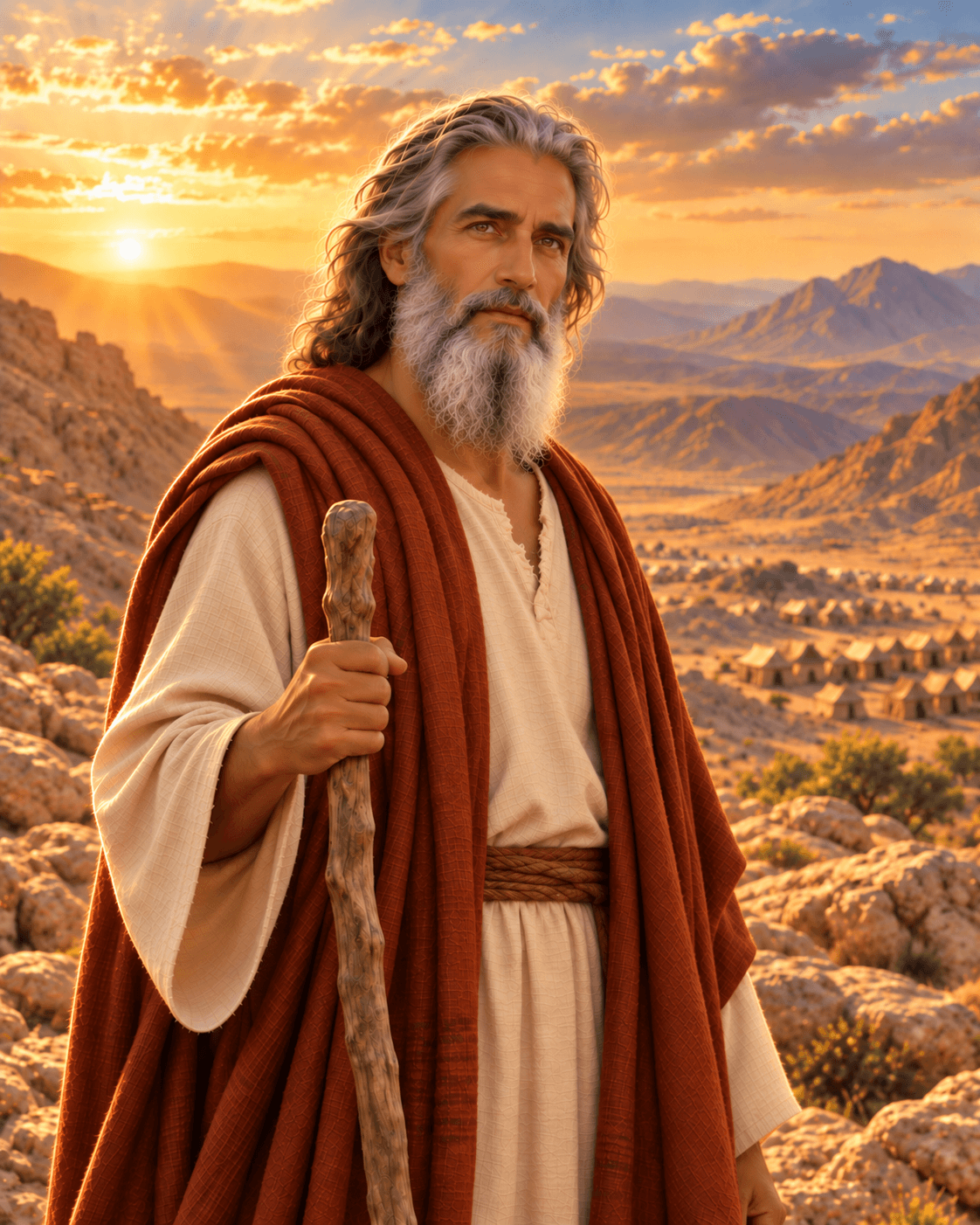 Moses
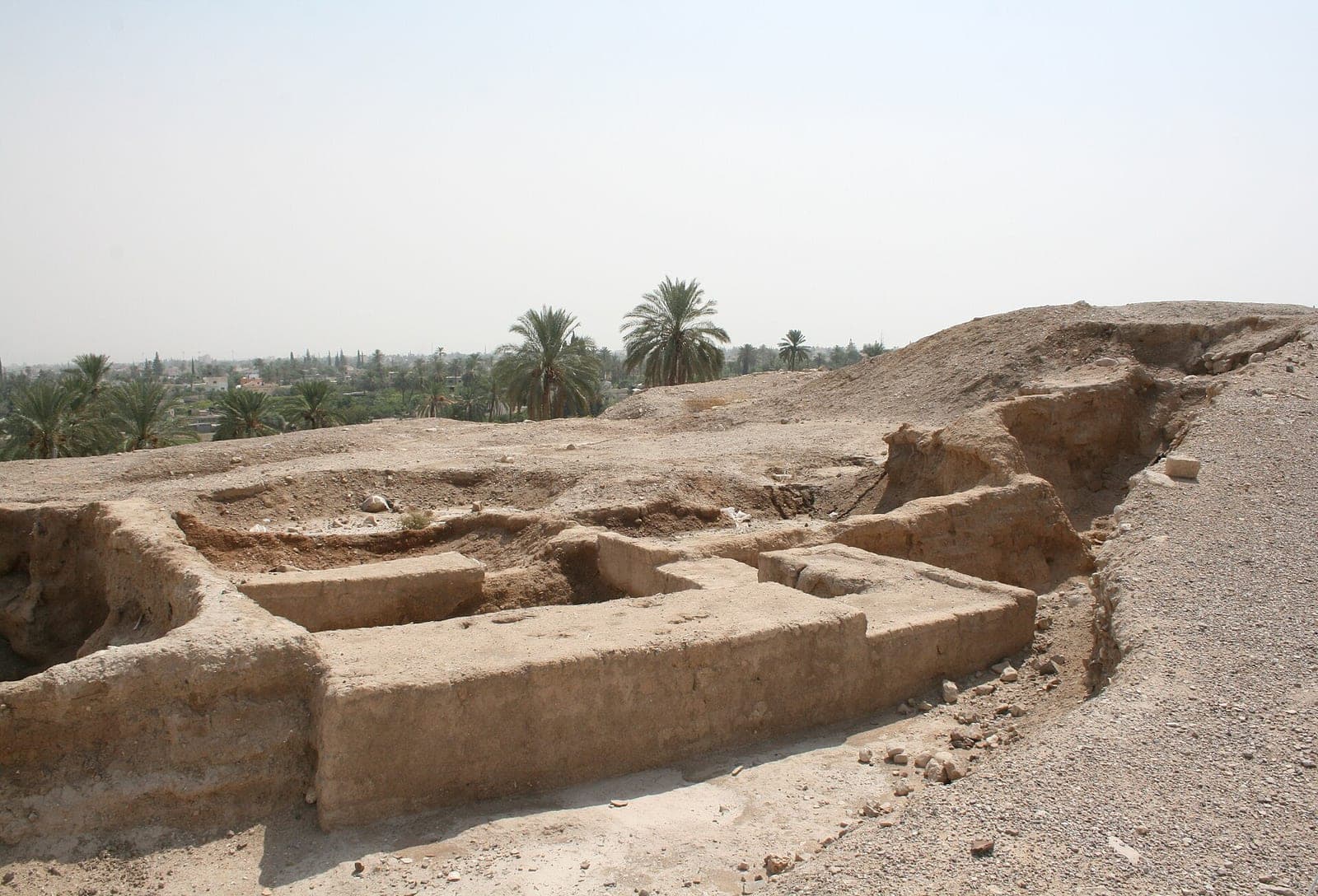
Photo: Diego Delso, via Wikimedia Commons. License: CC BY-SA 3.0. Source. Location: Tell es-Sultan, Jericho, West Bank. Resized for the web.
Explore the places of the Bible
See where biblical events happened, why each place matters, and what archaeology helps us understand.
Jericho
The city of palm trees, whose walls fell in Joshua's day.
Get full access with one subscription
Explore the people and places of the Bible. Read summaries of every book, with images and clear explanations covering every chapter. Access all these features and our Bible study tools with one subscription.
See PlansAsk AI about Isaiah 24:12
Ask a question about this verse and get a clear answer, with Bible references you can read for yourself.
Every Bible book, explained chapter by chapter
Explore summaries of every book of the Bible, with images and easy-to-understand explanations covering every chapter.
Keep studying Isaiah 24:12
Related Bible verses
Key themes
Related topics
At a Glance — the Book of Isaiah
- Author
- Isaiah the prophet
- Written
- Around 700 BC
- Genre
- Prophecy
- Original Audience
- Judah and the surrounding nations
Frequently Asked Questions
Quick, clear answers about this verse
What does Isaiah 24:12 mean by 'the city is left in ruins'?
Isaiah 24:12 depicts a city that has experienced complete devastation. The phrase 'left in ruins' signifies that the city has been abandoned and destroyed, reflecting the consequences of divine judgment. This imagery serves as a warning about the repercussions of turning away from God and highlights the fragility of communities that stray from spiritual integrity.
How does the destruction of gates relate to security in Isaiah 24:12?
In Isaiah 24:12, the destruction of the gates symbolizes the loss of security and protection for the city's inhabitants. Gates are crucial for safeguarding a community, and their destruction indicates vulnerability to external threats. This imagery underscores the importance of spiritual and moral fortitude, as a lack of these can lead to chaos and exposure to danger.
What broader themes are present in Isaiah 24:12?
Isaiah 24:12 encompasses themes of desolation, judgment, and the consequences of sin. It illustrates how a once-thriving city can become desolate due to disobedience to God. This verse serves as a reminder of the seriousness of ignoring divine commands and the inevitable outcomes that follow, urging readers to reflect on their own lives and communities.
How can Isaiah 24:12 apply to our lives today?
Isaiah 24:12 serves as a cautionary tale about maintaining spiritual and moral integrity. Just as a city can fall into ruin without proper care, our lives can become chaotic without a strong foundation in faith. This verse encourages us to actively build and protect our spiritual lives, aligning with God's teachings to avoid personal desolation and chaos.
Daily Verse — straight to your inbox
A verse and a 2-sentence plain-English explanation, every morning. Free. Unsubscribe anytime.