Old Testament
Isaiah 32:6
Read the Bible in clear, modern English—easy to understand, faithful to the meaning, and written for everyday readers.
For the vile person will speak foolishness, and his heart will plan wickedness, to practice hypocrisy and to speak error against the LORD, to empty the soul of the hungry, and he will cause the drink of the thirsty to fail.
Compare translations
For the vile person will speak villany, and his heart will work iniquity, to practise hypocrisy, and to utter error against the LORD, to make empty the soul of the hungry, and he will cause the drink of the thirsty to fail.
What Isaiah 32:6 means
Plain-English insight for readers
This verse describes the behavior of a wicked person who speaks foolishly and plans evil in their heart. They are hypocritical, saying one thing while meaning another, and they mislead others about God. Their actions harm those in need, leaving the hungry without food and the thirsty without drink. This highlights the consequences of wickedness, showing how it not only affects the individual but also impacts the vulnerable in society. The vile person's deceitful words and actions create a cycle of suffering, emphasizing the importance of integrity and truthfulness in our dealings with others. It serves as a warning against the dangers of hypocrisy and the moral decay that can arise when individuals prioritize their selfish desires over the well-being of others.
How to apply Isaiah 32:6 to your life
We should strive to be honest and compassionate in our interactions with others, especially those in need. Recognizing the impact of our words and actions can help us avoid hypocrisy and promote kindness, ensuring we support rather than harm those around us.
Curated for this public verse page. Isaiah Summary
Explore more of the Bible
Learn the Bible through its people and places
Get to know the people in Scripture through illustrated stories, and explore the places where they lived and traveled.

Illustrated scene from Ruth's story: Three Widows (Ruth 1:1–5)
Meet the people of the Bible
Follow their lives in order, with illustrated scenes and Bible passages that tell their stories.
 Ruth
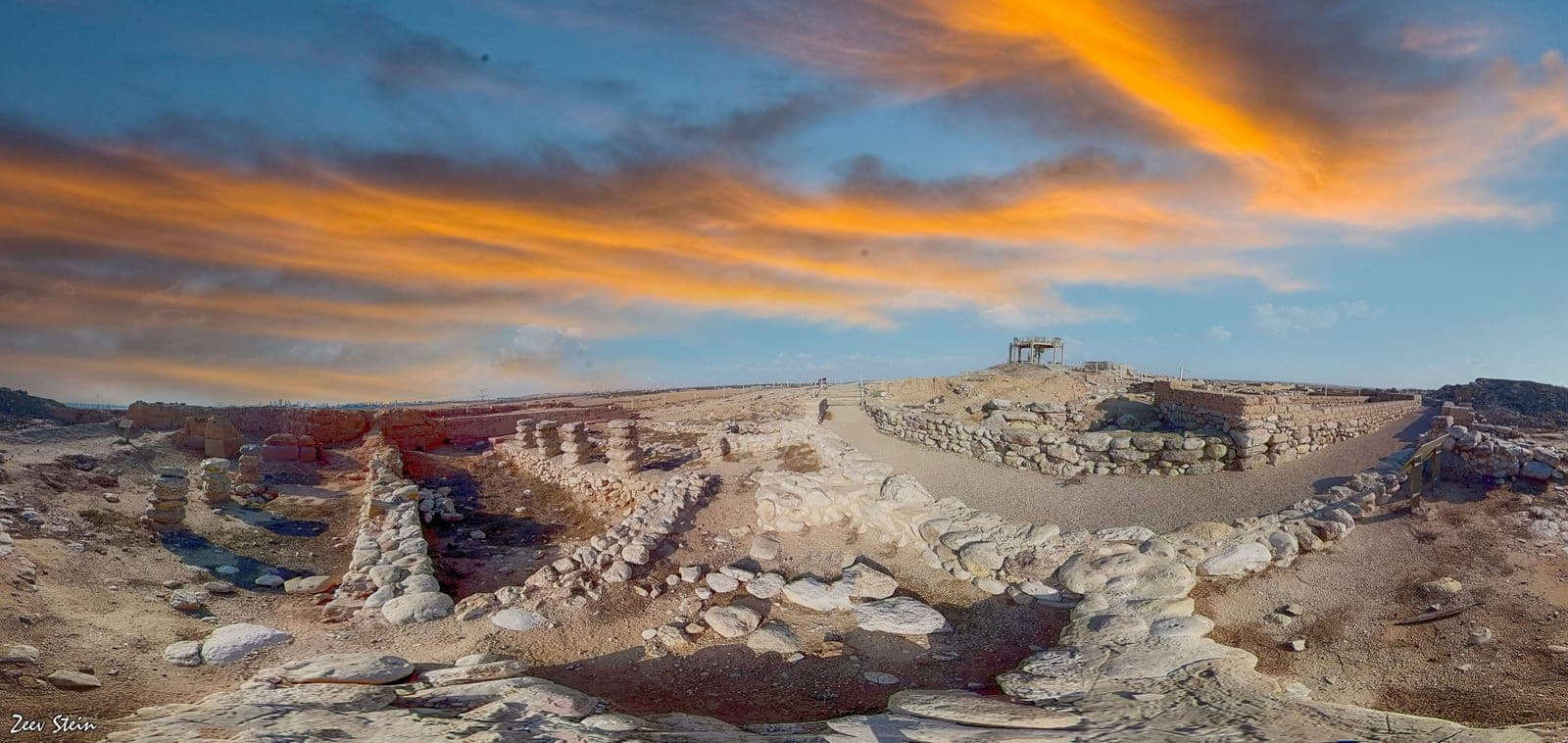
Photo: Zeev Stein / PikiWiki Israel, via Wikimedia Commons. License: CC BY 2.5. Source. Location: Tel Beer Sheva National Park, Israel. Resized for the web.
Explore the places of the Bible
See where biblical events happened, why each place matters, and what archaeology helps us understand.
Beersheba
Where Abraham and Isaac dug wells and worshiped the LORD, at the southern edge of the land.
Get full access with one subscription
Explore the people and places of the Bible. Read summaries of every book, with images and clear explanations covering every chapter. Access all these features and our Bible study tools with one subscription.
See PlansAsk AI about Isaiah 32:6
Ask a question about this verse and get a clear answer, with Bible references you can read for yourself.
Every Bible book, explained chapter by chapter
Explore summaries of every book of the Bible, with images and easy-to-understand explanations covering every chapter.
Keep studying Isaiah 32:6
Related Bible verses
Key themes
Related topics
At a Glance — the Book of Isaiah
- Author
- Isaiah the prophet
- Written
- Around 700 BC
- Genre
- Prophecy
- Original Audience
- Judah and the surrounding nations
Frequently Asked Questions
Quick, clear answers about this verse
What does Isaiah 32:6 mean?
Isaiah 32:6 describes the behavior of a wicked person who speaks foolishly and plans evil. It highlights their hypocrisy and the negative impact of their actions on vulnerable people, such as the hungry and thirsty.
What is the meaning of hypocrisy in Isaiah 32:6?
In Isaiah 32:6, hypocrisy refers to the vile person's deceitful behavior, where they say one thing but mean another. This falsehood misleads others and contributes to the suffering of those in need.
How does Isaiah 32:6 relate to moral decay?
Isaiah 32:6 illustrates moral decay by showing how a person's selfish desires lead to hypocrisy and harm to others. It serves as a warning about the dangers of prioritizing personal gain over the well-being of those in need.
What themes are present in Isaiah 32:6?
The themes in Isaiah 32:6 include wickedness, hypocrisy, deceit, the impact on vulnerable individuals, spiritual emptiness, and moral decay, emphasizing the importance of integrity in our actions.
Daily Verse — straight to your inbox
A verse and a 2-sentence plain-English explanation, every morning. Free. Unsubscribe anytime.