Old Testament
Isaiah 35:7
Read the Bible in clear, modern English—easy to understand, faithful to the meaning, and written for everyday readers.
The scorching sand will become a pool, and the parched ground will bubble with springs. Where jackals once made their dens, grass and reeds and rushes will grow.
Compare translations
And the parched ground shall become a pool, and the thirsty land springs of water: in the habitation of dragons, where each lay, shall be grass with reeds and rushes.
What Isaiah 35:7 means
Plain-English insight for readers
In Isaiah 35:7, the imagery of transformation is powerful. The verse describes a miraculous change where dry, barren land becomes lush and vibrant with water and vegetation. This symbolizes hope and restoration, suggesting that God can bring life and renewal even in the most desolate situations. The mention of jackals, typically associated with desolation, being replaced by grass and reeds indicates a complete reversal of fortune. This transformation is not just physical but also spiritual, representing God's ability to bring joy and abundance where there was once despair. The verse reassures the faithful that God can provide for their needs and restore their lives, turning their hardships into blessings. It serves as a reminder of God's promise to bring healing and renewal to His people, encouraging them to trust in His power to change their circumstances.
How to apply Isaiah 35:7 to your life
This verse encourages us to trust in God's ability to bring change in our lives. When facing difficult times, we can hold onto the promise that God can transform our situations, turning our struggles into opportunities for growth and renewal. We should remain hopeful and expectant.
Curated for this public verse page. Isaiah Summary
Explore more of the Bible
Learn the Bible through its people and places
Get to know the people in Scripture through illustrated stories, and explore the places where they lived and traveled.

Illustrated scene from Noah's story: Noah Is Born (Genesis 5:28–32)
Meet the people of the Bible
Follow their lives in order, with illustrated scenes and Bible passages that tell their stories.
 Noah
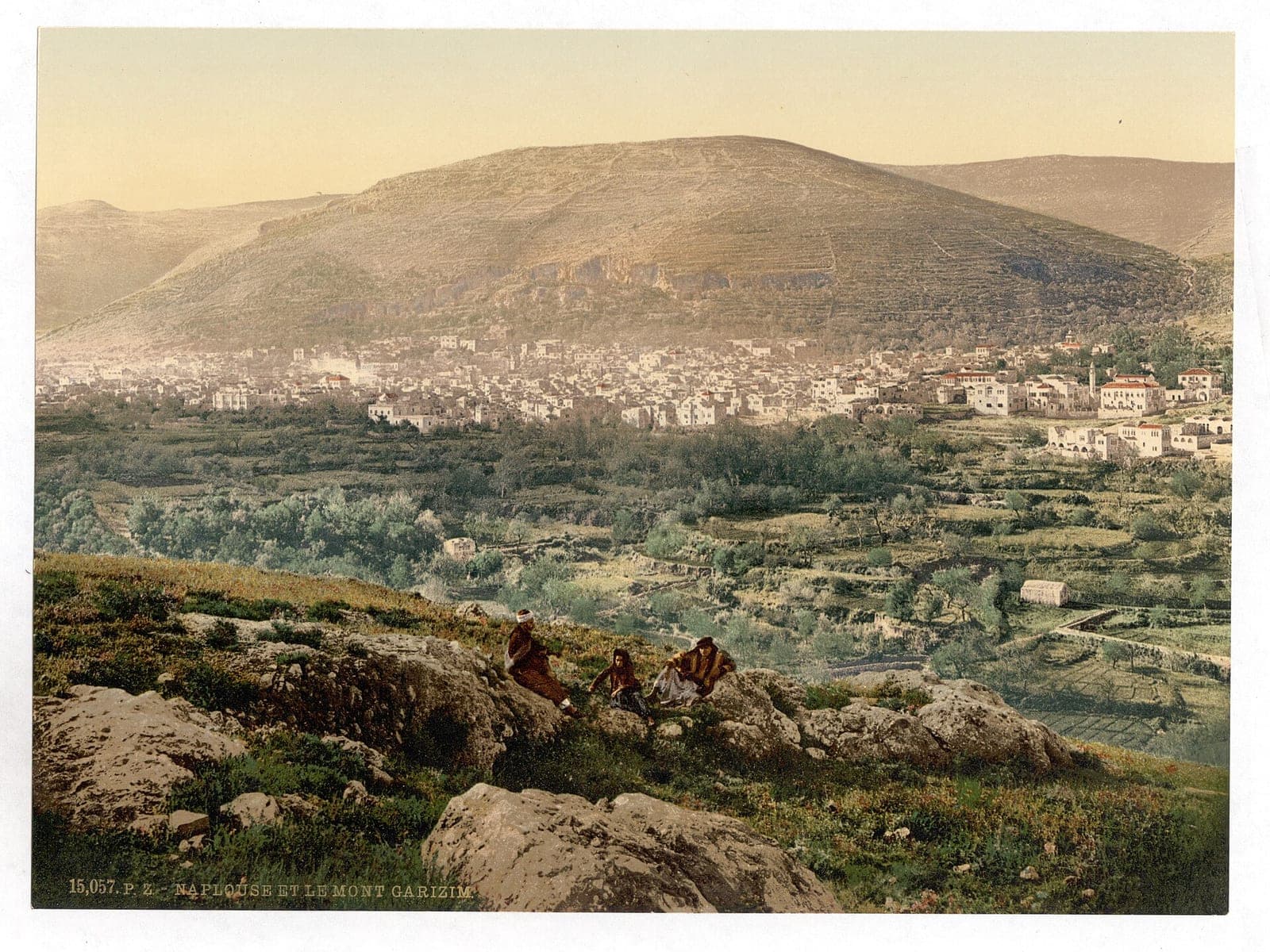
Photo: Photochrom print, Library of Congress Prints and Photographs Division (LCCN 2002725043). License: Public domain in the United States; Library of Congress states no known restrictions on publication. Source. Location: Nablus and Mount Gerizim, West Bank; print preserved by the Library of Congress. Resized for the web.
Explore the places of the Bible
See where biblical events happened, why each place matters, and what archaeology helps us understand.
Shechem
Where God promised the land to Abram, and where Joshua led Israel to renew the covenant.
Get full access with one subscription
Explore the people and places of the Bible. Read summaries of every book, with images and clear explanations covering every chapter. Access all these features and our Bible study tools with one subscription.
See PlansAsk AI about Isaiah 35:7
Ask a question about this verse and get a clear answer, with Bible references you can read for yourself.
Every Bible book, explained chapter by chapter
Explore summaries of every book of the Bible, with images and easy-to-understand explanations covering every chapter.
Keep studying Isaiah 35:7
Related Bible verses
Key themes
Related topics
At a Glance — the Book of Isaiah
- Author
- Isaiah the prophet
- Written
- Around 700 BC
- Genre
- Prophecy
- Original Audience
- Judah and the surrounding nations
Frequently Asked Questions
Quick, clear answers about this verse
What does Isaiah 35:7 mean?
Isaiah 35:7 describes a transformation where dry land becomes filled with water and vegetation, symbolizing hope and restoration. It illustrates God's power to bring life and renewal even in desolate situations.
What is the significance of the parched ground in Isaiah 35:7?
The parched ground represents desolation and lack, but its transformation into a pool signifies God's ability to provide abundance and refreshment. This change reflects the promise of renewal and healing.
What does the imagery of jackals and grass mean in Isaiah 35:7?
The mention of jackals, which symbolize desolation, being replaced by grass and reeds indicates a complete reversal of fortune. It highlights the transition from barrenness to flourishing life.
How does Isaiah 35:7 relate to themes of hope and restoration?
Isaiah 35:7 embodies themes of hope and restoration by illustrating how God can transform difficult circumstances into opportunities for growth and abundance. It reassures believers of God's provision and care.
Daily Verse — straight to your inbox
A verse and a 2-sentence plain-English explanation, every morning. Free. Unsubscribe anytime.