New Testament
James 2:13
Read the Bible in clear, modern English—easy to understand, faithful to the meaning, and written for everyday readers.
Because anyone who refuses to show mercy will face judgment without mercy. But mercy triumphs over judgment.
Compare translations
For he shall have judgment without mercy, that hath shewed no mercy; and mercy rejoiceth against judgment.
What James 2:13 means
Plain-English insight for readers
This verse emphasizes the importance of showing mercy to others. It warns that those who do not extend mercy will themselves face harsh judgment. The phrase 'mercy triumphs over judgment' highlights that mercy is more powerful and preferable than judgment. In essence, it encourages believers to practice compassion and kindness, as this reflects the character of God. The idea is that when we show mercy, we align ourselves with God's nature, which is loving and forgiving. Conversely, if we are unmerciful, we risk facing the same lack of mercy in our own judgment. This teaching serves as a reminder that our actions towards others have consequences, and it calls us to live out our faith through acts of mercy and love.
How to apply James 2:13 to your life
To apply this verse, actively seek opportunities to show mercy in your daily life. This could mean forgiving someone who has wronged you, helping those in need, or being patient with others. Remember that your actions reflect your faith.
Curated for this public verse page. James Summary
Explore more of the Bible
Learn the Bible through its people and places
Get to know the people in Scripture through illustrated stories, and explore the places where they lived and traveled.

Illustrated scene from Jesus's story: An Angel Visits Mary (Luke 1:26–38)
Meet the people of the Bible
Follow their lives in order, with illustrated scenes and Bible passages that tell their stories.
 Jesus
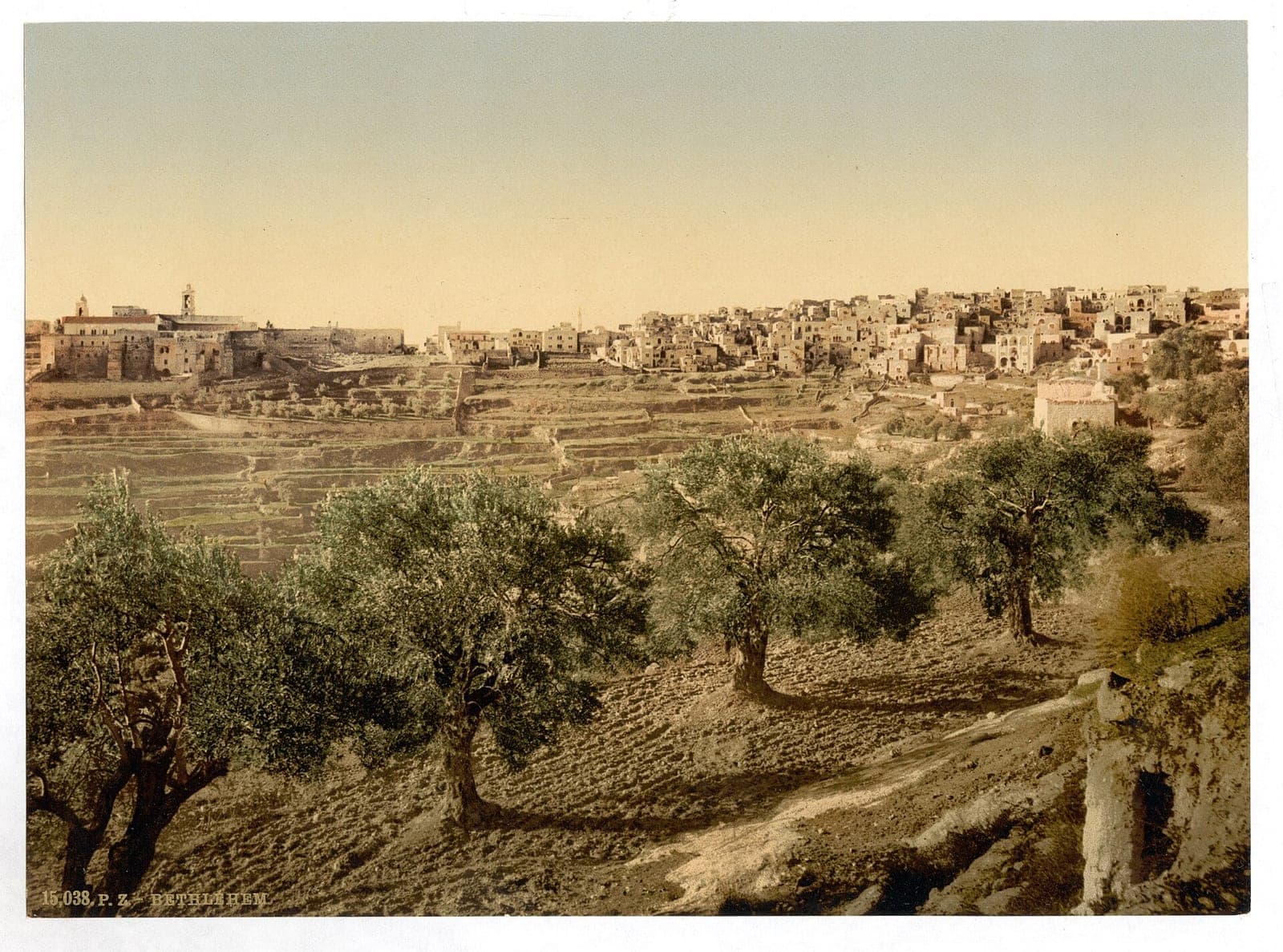
Photo: Photochrom print, Library of Congress Prints and Photographs Division (LCCN 2002724966). License: Public domain in the United States; Library of Congress states no known restrictions on publication. Source. Location: Bethlehem, West Bank; print preserved by the Library of Congress. Resized for the web.
Explore the places of the Bible
See where biblical events happened, why each place matters, and what archaeology helps us understand.
Bethlehem
David's hometown, and the town where Jesus was born.
Get full access with one subscription
Explore the people and places of the Bible. Read summaries of every book, with images and clear explanations covering every chapter. Access all these features and our Bible study tools with one subscription.
See PlansAsk AI about James 2:13
Ask a question about this verse and get a clear answer, with Bible references you can read for yourself.
Every Bible book, explained chapter by chapter
Explore summaries of every book of the Bible, with images and easy-to-understand explanations covering every chapter.
Keep studying James 2:13
Related Bible verses
Related topics
At a Glance — the Book of James
- Author
- James, the brother of Jesus
- Written
- Around AD 45-50
- Genre
- Letter (epistle)
- Original Audience
- Jewish Christians scattered abroad
Frequently Asked Questions
Quick, clear answers about this verse
What does James 2:13 mean?
James 2:13 means that those who do not show mercy to others will face judgment without mercy themselves. It emphasizes the importance of being compassionate and forgiving, reflecting God's character.
What is the meaning of 'mercy triumphs over judgment' in James 2:13?
The phrase 'mercy triumphs over judgment' means that showing mercy is more powerful and preferable than being judgmental. It highlights that mercy can overcome the consequences of judgment.
How can I apply James 2:13 in my life?
You can apply James 2:13 by looking for ways to show mercy, such as forgiving those who hurt you, helping those in need, or being patient with others. Your actions should reflect your faith in a loving and forgiving way.
What themes are present in James 2:13?
The themes present in James 2:13 include mercy, judgment, compassion, forgiveness, and faith in action. These themes encourage believers to live out their faith through acts of kindness.
Daily Verse — straight to your inbox
A verse and a 2-sentence plain-English explanation, every morning. Free. Unsubscribe anytime.