New Testament
James 4:16
Read the Bible in clear, modern English—easy to understand, faithful to the meaning, and written for everyday readers.
But as it is, you brag and boast about your plans. All that kind of boasting is evil.
Compare translations
But now ye rejoice in your boastings: all such rejoicing is evil.
What James 4:16 means
Plain-English insight for readers
In this verse, James addresses the attitude of boasting about future plans without acknowledging God's role in them. He points out that such arrogance is misguided and morally wrong. Instead of humbly recognizing that life is uncertain and that our plans depend on God's will, people often take pride in their own abilities and foresight. This self-centered boasting reflects a lack of understanding about the nature of life and the sovereignty of God. James emphasizes that true wisdom involves humility and reliance on God, rather than self-assuredness. The verse serves as a reminder that our lives are transient and that we should approach our plans with a sense of humility and dependence on God's guidance, rather than pride in our own achievements.
How to apply James 4:16 to your life
To apply this verse, we should evaluate our attitudes towards our plans and achievements. Instead of boasting about what we intend to do, we should express our intentions with humility, recognizing that our future is ultimately in God's hands. This mindset fosters gratitude and reliance on God.
Curated for this public verse page. James Summary
Explore more of the Bible
Learn the Bible through its people and places
Get to know the people in Scripture through illustrated stories, and explore the places where they lived and traveled.

Illustrated scene from Paul's story: The Stoning of Stephen (Acts 7:57–8:2)
Meet the people of the Bible
Follow their lives in order, with illustrated scenes and Bible passages that tell their stories.
 Paul
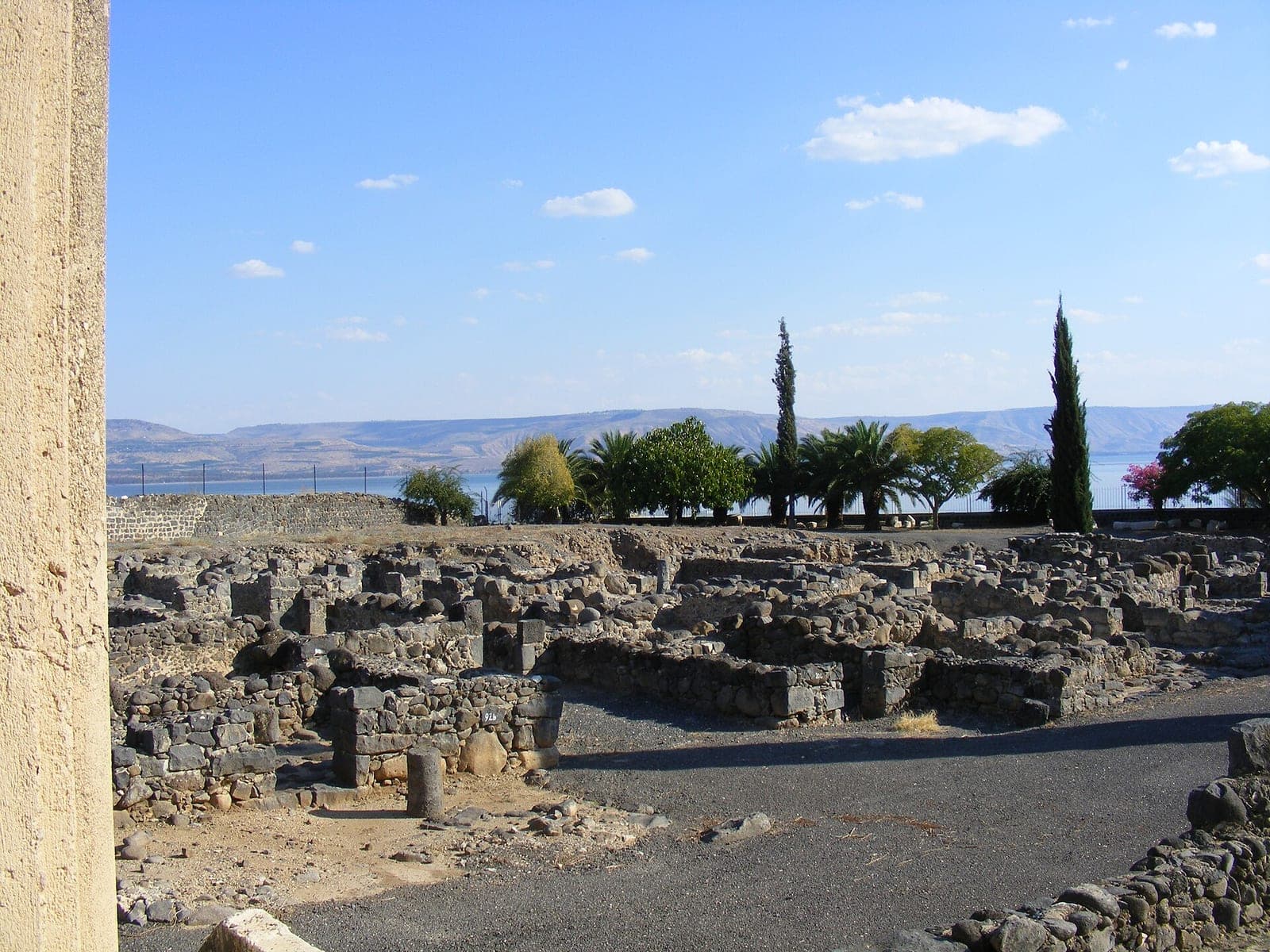
Photo: zeevveez, via Wikimedia Commons. License: CC BY 2.0. Source. Location: Capernaum, on the northern shore of the Sea of Galilee. Resized for the web.
Explore the places of the Bible
See where biblical events happened, why each place matters, and what archaeology helps us understand.
Capernaum
Jesus' home base by the Sea of Galilee, and the town where Peter lived.
Get full access with one subscription
Explore the people and places of the Bible. Read summaries of every book, with images and clear explanations covering every chapter. Access all these features and our Bible study tools with one subscription.
See PlansAsk AI about James 4:16
Ask a question about this verse and get a clear answer, with Bible references you can read for yourself.
Every Bible book, explained chapter by chapter
Explore summaries of every book of the Bible, with images and easy-to-understand explanations covering every chapter.
Keep studying James 4:16
Related Bible verses
Key themes
Related topics
At a Glance — the Book of James
- Author
- James, the brother of Jesus
- Written
- Around AD 45-50
- Genre
- Letter (epistle)
- Original Audience
- Jewish Christians scattered abroad
Frequently Asked Questions
Quick, clear answers about this verse
What does James 4:16 mean?
James 4:16 warns against boasting about future plans without acknowledging God's role in them. It highlights that such arrogance is misguided and emphasizes the importance of humility and reliance on God's will.
What is the meaning of boasting in James 4:16?
In James 4:16, boasting refers to the prideful attitude of confidently declaring one's plans and achievements without recognizing the uncertainty of life and the sovereignty of God.
How can I apply James 4:16 to my life?
To apply James 4:16, evaluate your attitude towards your plans. Instead of boasting, express your intentions with humility, recognizing that your future ultimately depends on God's guidance.
What themes are present in James 4:16?
The themes in James 4:16 include boasting, humility, God's will, life's uncertainty, and moral integrity, all of which encourage a humble approach to planning and living.
Daily Verse — straight to your inbox
A verse and a 2-sentence plain-English explanation, every morning. Free. Unsubscribe anytime.