New Testament
James 5:2
Read the Bible in clear, modern English—easy to understand, faithful to the meaning, and written for everyday readers.
Your wealth is rotting away, and your fine clothes are eaten by moths.
Compare translations
Your riches are corrupted, and your garments are motheaten.
What James 5:2 means
Plain-English insight for readers
In this verse, James warns the wealthy about the temporary nature of their riches. He uses vivid imagery to illustrate that material wealth can decay and lose value, just like food that rots or clothes that are damaged by moths. This serves as a reminder that focusing solely on accumulating wealth can lead to spiritual emptiness. The verse emphasizes that earthly possessions are fleeting and can be destroyed, urging believers to consider the eternal value of their actions and priorities. Instead of hoarding wealth, they should invest in things that have lasting significance, such as helping others and building their faith. This message challenges the notion that wealth equates to security and happiness, highlighting the importance of a life centered on spiritual rather than material wealth.
How to apply James 5:2 to your life
Reflect on your relationship with money and possessions. Consider how you can use your resources to help others rather than just accumulating wealth. Focus on building a life that values spiritual growth and community support over material gain.
Curated for this public verse page. James Summary
Explore more of the Bible
Learn the Bible through its people and places
Get to know the people in Scripture through illustrated stories, and explore the places where they lived and traveled.
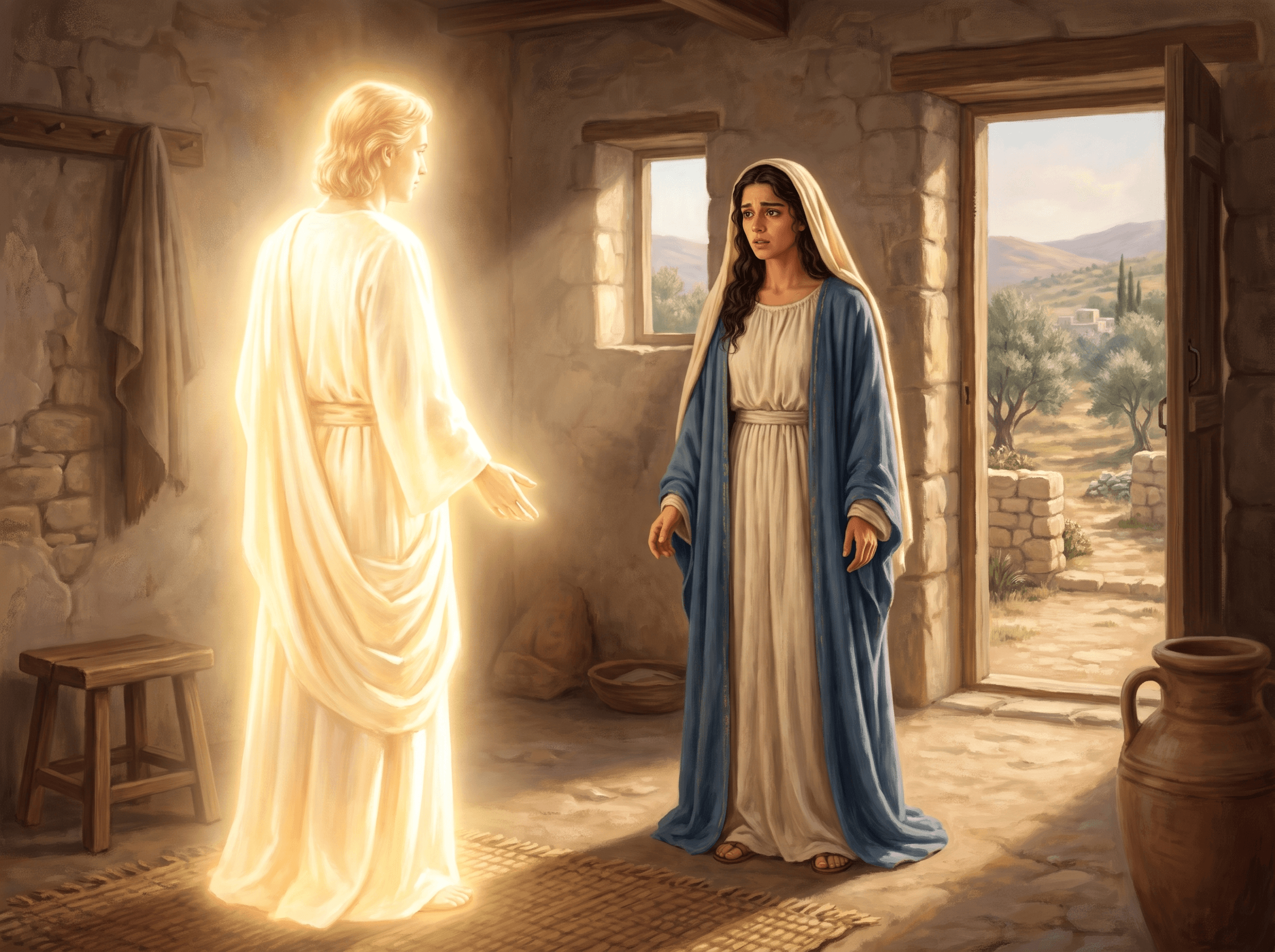
Illustrated scene from Mary, Jesus' mother's story: An Angel Visits Mary (Luke 1:26–38)
Meet the people of the Bible
Follow their lives in order, with illustrated scenes and Bible passages that tell their stories.
 Mary, Jesus' mother

Photo: Gary Todd (Gary Lee Todd, Ph.D.), via Wikimedia Commons. License: CC0 1.0 Universal Public Domain Dedication. Source. Location: Southern end of the Temple Mount, Jerusalem Old City. Resized for the web.
Explore the places of the Bible
See where biblical events happened, why each place matters, and what archaeology helps us understand.
Jerusalem
David's capital, the city of the temple, and the place where Jesus died and rose again.
Get full access with one subscription
Explore the people and places of the Bible. Read summaries of every book, with images and clear explanations covering every chapter. Access all these features and our Bible study tools with one subscription.
See PlansAsk AI about James 5:2
Ask a question about this verse and get a clear answer, with Bible references you can read for yourself.
Every Bible book, explained chapter by chapter
Explore summaries of every book of the Bible, with images and easy-to-understand explanations covering every chapter.
Keep studying James 5:2
Related Bible verses
Key themes
Related topics
At a Glance — the Book of James
- Author
- James, the brother of Jesus
- Written
- Around AD 45-50
- Genre
- Letter (epistle)
- Original Audience
- Jewish Christians scattered abroad
Frequently Asked Questions
Quick, clear answers about this verse
What does James 5:2 mean?
James 5:2 warns that material wealth is temporary and can easily decay or be destroyed. It highlights the futility of placing trust in riches, urging believers to focus on what truly matters in life.
What is the significance of rotting wealth in James 5:2?
The imagery of rotting wealth in James 5:2 illustrates that earthly possessions are fleeting and can lose value. This serves as a reminder to prioritize spiritual growth over material accumulation.
How does James 5:2 relate to materialism?
James 5:2 critiques materialism by showing that wealth is not a secure foundation for happiness. It emphasizes the importance of investing in lasting values rather than hoarding possessions.
What does 'motheaten garments' symbolize in James 5:2?
The phrase 'motheaten garments' symbolizes the decay of material wealth and the idea that possessions can be damaged or lost. It serves as a warning against relying on material goods for fulfillment.
Daily Verse — straight to your inbox
A verse and a 2-sentence plain-English explanation, every morning. Free. Unsubscribe anytime.