Old Testament
Jeremiah 20:13
Read the Bible in clear, modern English—easy to understand, faithful to the meaning, and written for everyday readers.
Sing to the LORD! Praise the LORD! He has rescued the soul of the needy from the grip of evildoers.
Compare translations
Sing unto the LORD, praise ye the LORD: for he hath delivered the soul of the poor from the hand of evildoers.
What Jeremiah 20:13 means
Plain-English insight for readers
In this verse, the prophet Jeremiah expresses joy and gratitude to God for His deliverance. He encourages others to sing and praise the Lord, highlighting that God has saved those in need from the hands of wicked people. This reflects a deep trust in God's power to rescue and protect the vulnerable. The mention of 'the needy' and 'the poor' emphasizes God's concern for those who are marginalized and oppressed. Jeremiah's call to worship serves as a reminder that, despite challenges, believers should celebrate God's faithfulness and His ability to intervene in dire situations. This verse encapsulates a theme of hope and divine justice, reassuring the faithful that God sees their struggles and acts on their behalf. It encourages a communal response of worship, recognizing that God is a source of strength and salvation for all who are suffering.
How to apply Jeremiah 20:13 to your life
In our daily lives, we can take time to praise God for His goodness and deliverance. When we see others in need, we should remember to support and uplift them, trusting that God cares for the vulnerable. Singing and worship can be powerful expressions of gratitude and faith.
Curated for this public verse page. Jeremiah Summary
Explore more of the Bible
Learn the Bible through its people and places
Get to know the people in Scripture through illustrated stories, and explore the places where they lived and traveled.

Illustrated scene from Ruth's story: Three Widows (Ruth 1:1–5)
Meet the people of the Bible
Follow their lives in order, with illustrated scenes and Bible passages that tell their stories.
 Ruth
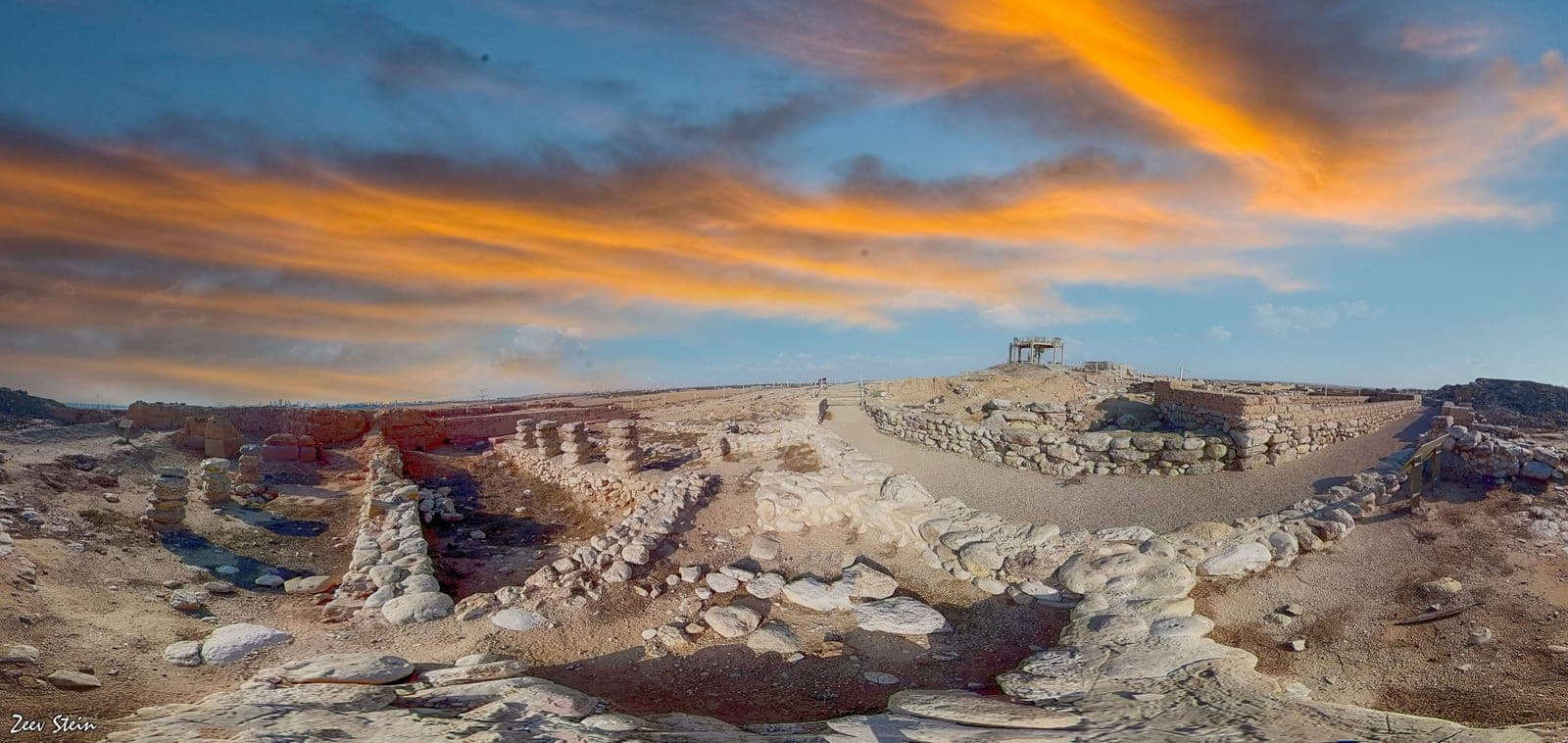
Photo: Zeev Stein / PikiWiki Israel, via Wikimedia Commons. License: CC BY 2.5. Source. Location: Tel Beer Sheva National Park, Israel. Resized for the web.
Explore the places of the Bible
See where biblical events happened, why each place matters, and what archaeology helps us understand.
Beersheba
Where Abraham and Isaac dug wells and worshiped the LORD, at the southern edge of the land.
Get full access with one subscription
Explore the people and places of the Bible. Read summaries of every book, with images and clear explanations covering every chapter. Access all these features and our Bible study tools with one subscription.
See PlansAsk AI about Jeremiah 20:13
Ask a question about this verse and get a clear answer, with Bible references you can read for yourself.
Every Bible book, explained chapter by chapter
Explore summaries of every book of the Bible, with images and easy-to-understand explanations covering every chapter.
Keep studying Jeremiah 20:13
Related Bible verses
Key themes
Related topics
At a Glance — the Book of Jeremiah
- Author
- Jeremiah the prophet, with Baruch
- Written
- Around 600 BC
- Genre
- Prophecy
- Original Audience
- Judah before and during the Babylonian exile
Frequently Asked Questions
Quick, clear answers about this verse
What does Jeremiah 20:13 mean?
Jeremiah 20:13 expresses joy and gratitude for God's deliverance, encouraging praise for His rescue of the needy from evildoers. It highlights God's concern for the marginalized and reassures believers of His protective power.
What is the meaning of 'the needy' in Jeremiah 20:13?
In Jeremiah 20:13, 'the needy' refers to those who are vulnerable and oppressed, emphasizing God's care for individuals who are marginalized and in desperate situations.
How can I apply Jeremiah 20:13 in my life?
You can apply Jeremiah 20:13 by taking time to praise God for His goodness and helping those in need. Supporting and uplifting others reflects God's care for the vulnerable.
What themes are present in Jeremiah 20:13?
The themes in Jeremiah 20:13 include praise, deliverance, hope, justice, worship, and God's protection, all highlighting His faithfulness to those who suffer.
Daily Verse — straight to your inbox
A verse and a 2-sentence plain-English explanation, every morning. Free. Unsubscribe anytime.