Old Testament
Jeremiah 28:2
Read the Bible in clear, modern English—easy to understand, faithful to the meaning, and written for everyday readers.
"This is what the LORD of hosts, the God of Israel, says: 'I have broken the yoke of the king of Babylon.
Compare translations
Thus speaketh the LORD of hosts, the God of Israel, saying, I have broken the yoke of the king of Babylon.
What Jeremiah 28:2 means
Plain-English insight for readers
In this verse, the prophet Jeremiah conveys a message from God, declaring that He has broken the oppressive control of Babylon over His people. The 'yoke' symbolizes the burden and domination that the Babylonian king imposed on Israel. By stating that He has broken this yoke, God reassures His people that their suffering and captivity will come to an end. This declaration serves as a promise of liberation and hope, emphasizing God's sovereignty and power to deliver His people from their oppressors. The context of this message is crucial, as it reflects the tension between false prophets who claim peace and the reality of God's judgment. Jeremiah's message highlights the importance of trusting in God's plans rather than the misleading assurances of others. It reminds the Israelites that their ultimate freedom and restoration come from God alone, who is actively working on their behalf to bring about a new era of peace and autonomy.
How to apply Jeremiah 28:2 to your life
This verse encourages us to trust in God's power to free us from our burdens and challenges. When we feel overwhelmed by life's difficulties, we can find comfort in knowing that God is capable of breaking the yokes that bind us, offering us hope and restoration.
Curated for this public verse page. Jeremiah Summary
Learn the Bible through its people and places
Get to know the people in Scripture through illustrated stories, and explore the places where they lived and traveled.

Illustrated scene from Jeremiah's story: The Yoke (Jeremiah 28:1–17)
Meet the people of the Bible
Follow their lives in order, with illustrated scenes and Bible passages that tell their stories.
 Jeremiah
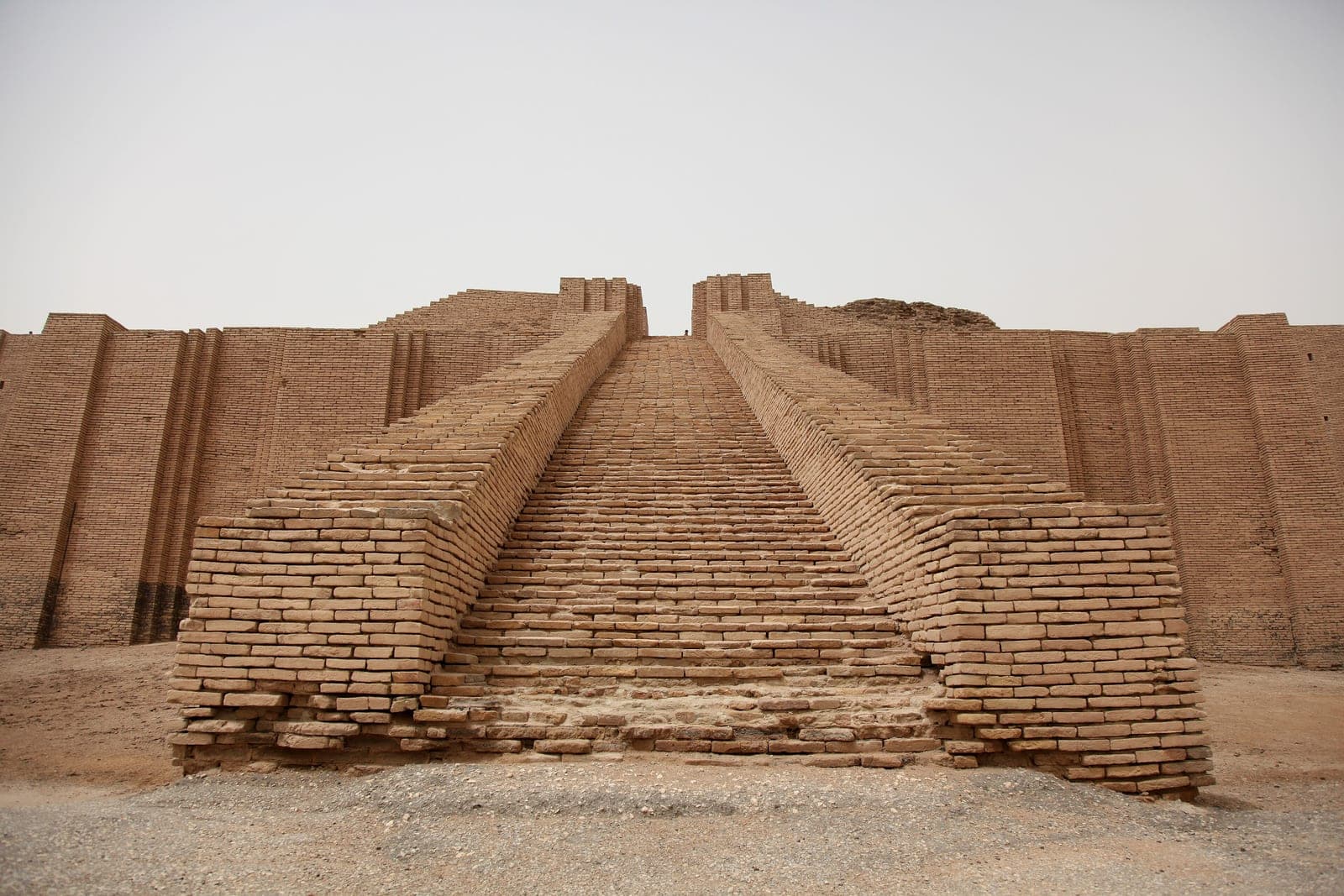
Photo: U.S. Army photo by Spc. Samantha R. Ciaramitaro, via DVIDS and Wikimedia Commons. License: Public domain in the United States — U.S. federal-government work. Source. Location: Great Ziggurat, Ur Archaeological City (Tell el-Mukayyar), Dhi Qar Governorate, Iraq. Resized for the web.
Explore the places of the Bible
See where biblical events happened, why each place matters, and what archaeology helps us understand.
Ur
The city Abram's family left to travel toward Canaan.
Get full access with one subscription
Explore the people and places of the Bible. Read summaries of every book, with images and clear explanations covering every chapter. Access all these features and our Bible study tools with one subscription.
See PlansAsk AI about Jeremiah 28:2
Ask a question about this verse and get a clear answer, with Bible references you can read for yourself.
Every Bible book, explained chapter by chapter
Explore summaries of every book of the Bible, with images and easy-to-understand explanations covering every chapter.
Keep studying Jeremiah 28:2
Related Bible verses
Key themes
Related topics
At a Glance — the Book of Jeremiah
- Author
- Jeremiah the prophet, with Baruch
- Written
- Around 600 BC
- Genre
- Prophecy
- Original Audience
- Judah before and during the Babylonian exile
Frequently Asked Questions
Quick, clear answers about this verse
What does Jeremiah 28:2 mean?
Jeremiah 28:2 conveys God's message that He has broken the oppressive control of Babylon over Israel. The 'yoke' symbolizes the burden imposed by the Babylonian king, and this declaration signifies hope and liberation for God's people.
What is the significance of the 'yoke' in Jeremiah 28:2?
In Jeremiah 28:2, the 'yoke' represents the oppression and domination that the king of Babylon had over Israel. Breaking the yoke symbolizes God's promise to free His people from their suffering and captivity.
How does Jeremiah 28:2 relate to false prophets?
Jeremiah 28:2 highlights the contrast between God's true message of liberation and the false prophets who falsely claim peace. It serves as a reminder for the Israelites to trust in God's plans rather than misleading assurances.
What themes are present in Jeremiah 28:2?
Key themes in Jeremiah 28:2 include God's sovereignty, deliverance from oppression, hope for restoration, and the danger of false prophets. These themes reflect God's active role in bringing freedom to His people.
Daily Verse — straight to your inbox
A verse and a 2-sentence plain-English explanation, every morning. Free. Unsubscribe anytime.