Old Testament
Jeremiah 49:3
Read the Bible in clear, modern English—easy to understand, faithful to the meaning, and written for everyday readers.
Wail, Heshbon, because Ai has been destroyed! Cry out, daughters of Rabbah! Put on sackcloth and mourn! Run back and forth by the hedges, because your king will be taken into captivity—he and his priests and officials together.
Compare translations
Howl, O Heshbon, for Ai is spoiled: cry, ye daughters of Rabbah, gird you with sackcloth; lament, and run to and fro by the hedges; for their king shall go into captivity, and his priests and his princes together.
What Jeremiah 49:3 means
Plain-English insight for readers
In this verse, the prophet Jeremiah calls for mourning and lamentation in the city of Heshbon because of the destruction of Ai. The daughters of Rabbah are urged to put on sackcloth, a traditional sign of grief, and to express their sorrow openly. The message emphasizes the impending captivity of their king, along with his priests and officials, highlighting the seriousness of the situation. This call to wail and mourn reflects the deep sense of loss and the consequences of defeat in battle. The imagery of running back and forth by the hedges suggests a frantic search for hope or a way to escape the impending doom. Overall, this verse serves as a poignant reminder of the impact of war and the emotional toll it takes on communities and their leaders.
How to apply Jeremiah 49:3 to your life
This verse encourages us to acknowledge and express our grief during difficult times. It reminds us that mourning is a natural response to loss and that we should support one another in our struggles. By recognizing our pain, we can begin to heal and find hope.
Curated for this public verse page. Jeremiah Summary
Explore more of the Bible
Learn the Bible through its people and places
Get to know the people in Scripture through illustrated stories, and explore the places where they lived and traveled.

Illustrated scene from David's story: Samuel Anoints David (1 Samuel 16:1–13)
Meet the people of the Bible
Follow their lives in order, with illustrated scenes and Bible passages that tell their stories.
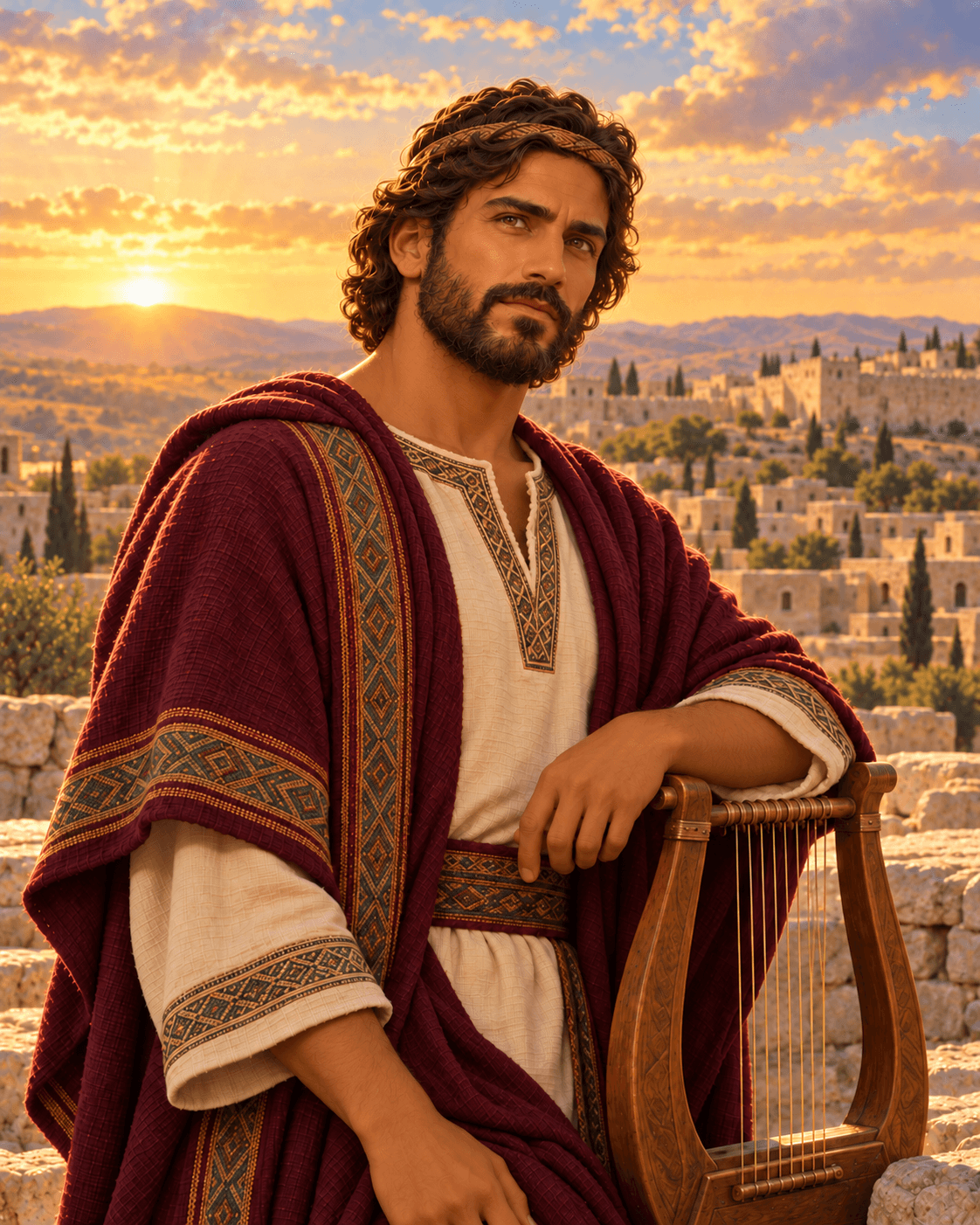 David
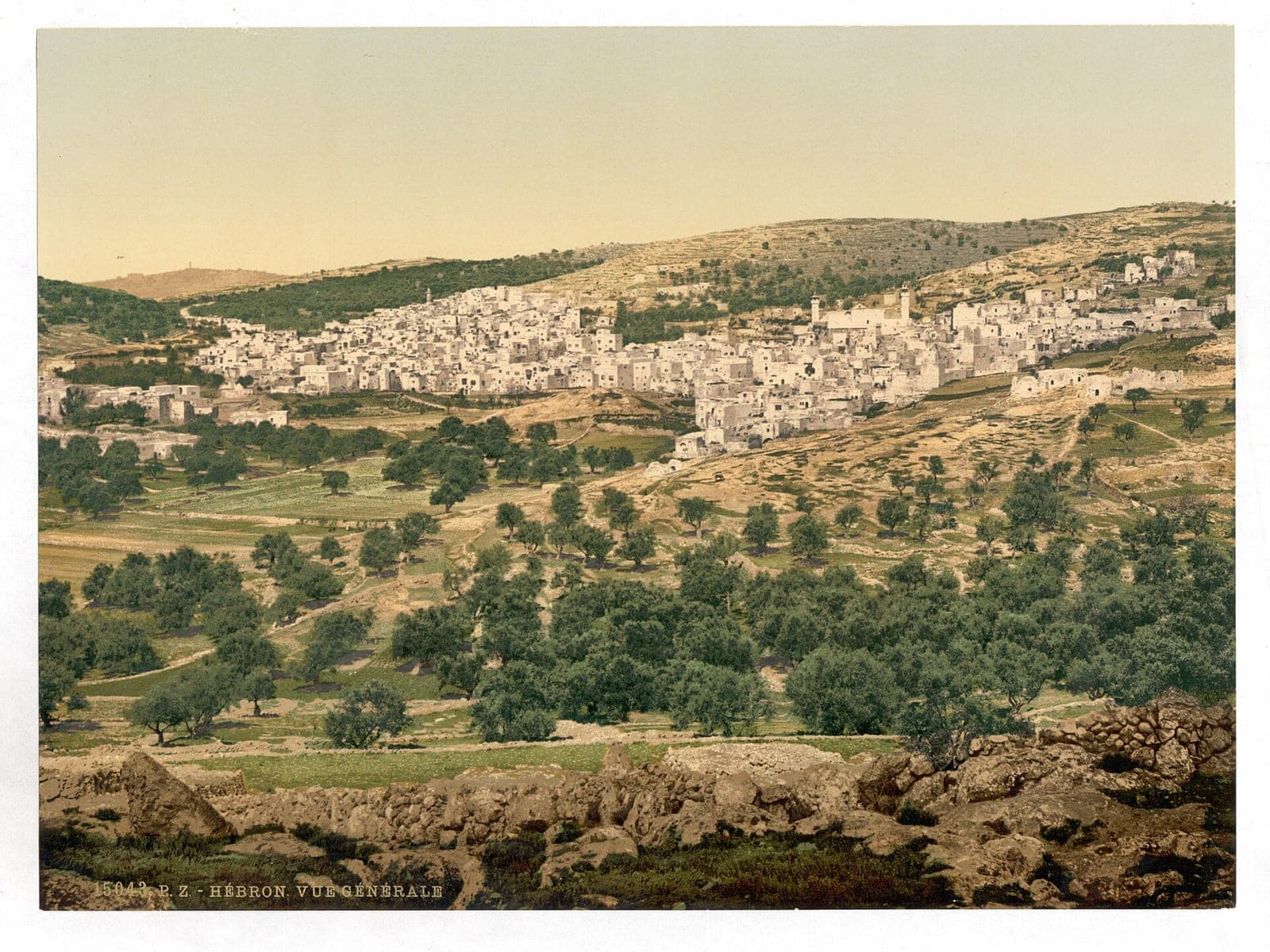
Photo: Photochrom print, Library of Congress Prints and Photographs Division (LCCN 2002724987). License: Public domain in the United States; Library of Congress states no known restrictions on publication. Source. Location: Hebron, West Bank; print preserved by the Library of Congress. Resized for the web.
Explore the places of the Bible
See where biblical events happened, why each place matters, and what archaeology helps us understand.
Hebron
Where Abraham lived and buried Sarah, and where David was first made king.
Get full access with one subscription
Explore the people and places of the Bible. Read summaries of every book, with images and clear explanations covering every chapter. Access all these features and our Bible study tools with one subscription.
See PlansAsk AI about Jeremiah 49:3
Ask a question about this verse and get a clear answer, with Bible references you can read for yourself.
Every Bible book, explained chapter by chapter
Explore summaries of every book of the Bible, with images and easy-to-understand explanations covering every chapter.
Keep studying Jeremiah 49:3
Related Bible verses
Key themes
Related topics
At a Glance — the Book of Jeremiah
- Author
- Jeremiah the prophet, with Baruch
- Written
- Around 600 BC
- Genre
- Prophecy
- Original Audience
- Judah before and during the Babylonian exile
Frequently Asked Questions
Quick, clear answers about this verse
What does Jeremiah 49:3 mean?
Jeremiah 49:3 calls for mourning in Heshbon due to the destruction of Ai. It emphasizes the sorrow of the people, particularly the daughters of Rabbah, as they prepare for the captivity of their king and leaders.
What is the significance of sackcloth in Jeremiah 49:3?
Sackcloth in Jeremiah 49:3 symbolizes grief and mourning. It is a traditional garment worn during times of sorrow, indicating the deep emotional response to loss and impending disaster.
Who are the daughters of Rabbah in Jeremiah 49:3?
The daughters of Rabbah represent the women of the city who are called to mourn and express their sorrow over the destruction and the fate of their leaders.
What themes are present in Jeremiah 49:3?
Key themes in Jeremiah 49:3 include mourning, destruction, captivity, and the emotional toll of loss on a community and its leadership.
Daily Verse — straight to your inbox
A verse and a 2-sentence plain-English explanation, every morning. Free. Unsubscribe anytime.