Old Testament
Job 14:17
Read the Bible in clear, modern English—easy to understand, faithful to the meaning, and written for everyday readers.
My transgression is sealed up in a bag, and you sew up my iniquity.
Compare translations
My transgression is sealed up in a bag, and thou sewest up mine iniquity.
What Job 14:17 means
Plain-English insight for readers
In Job 14:17, Job expresses a profound sense of despair regarding his sins and their consequences. He uses the metaphor of sealing transgressions in a bag to illustrate how his wrongdoings are hidden away, yet still present. The act of sewing up iniquity suggests that his sins are tightly bound and cannot be easily undone. This imagery reflects Job's understanding of the weight of sin and the difficulty of reconciliation with God. He feels trapped by his past actions, indicating a longing for forgiveness and relief from the burden of guilt. Job's words reveal a deep awareness of his moral failings and the desire for divine mercy, highlighting the human struggle with sin and the hope for redemption. This verse encapsulates the tension between human frailty and the need for divine grace, emphasizing the importance of acknowledging one's faults and seeking restoration.
How to apply Job 14:17 to your life
This verse encourages us to confront our own sins and recognize the weight they carry. It reminds us that while we may feel trapped by our past, seeking forgiveness and understanding from God can lead to healing. Acknowledging our shortcomings is the first step toward spiritual growth and restoration.
Curated for this public verse page. Job Summary
Explore more of the Bible
Learn the Bible through its people and places
Get to know the people in Scripture through illustrated stories, and explore the places where they lived and traveled.

Illustrated scene from Esther's story: Esther Becomes Queen (Esther 2:1–18)
Meet the people of the Bible
Follow their lives in order, with illustrated scenes and Bible passages that tell their stories.
 Esther
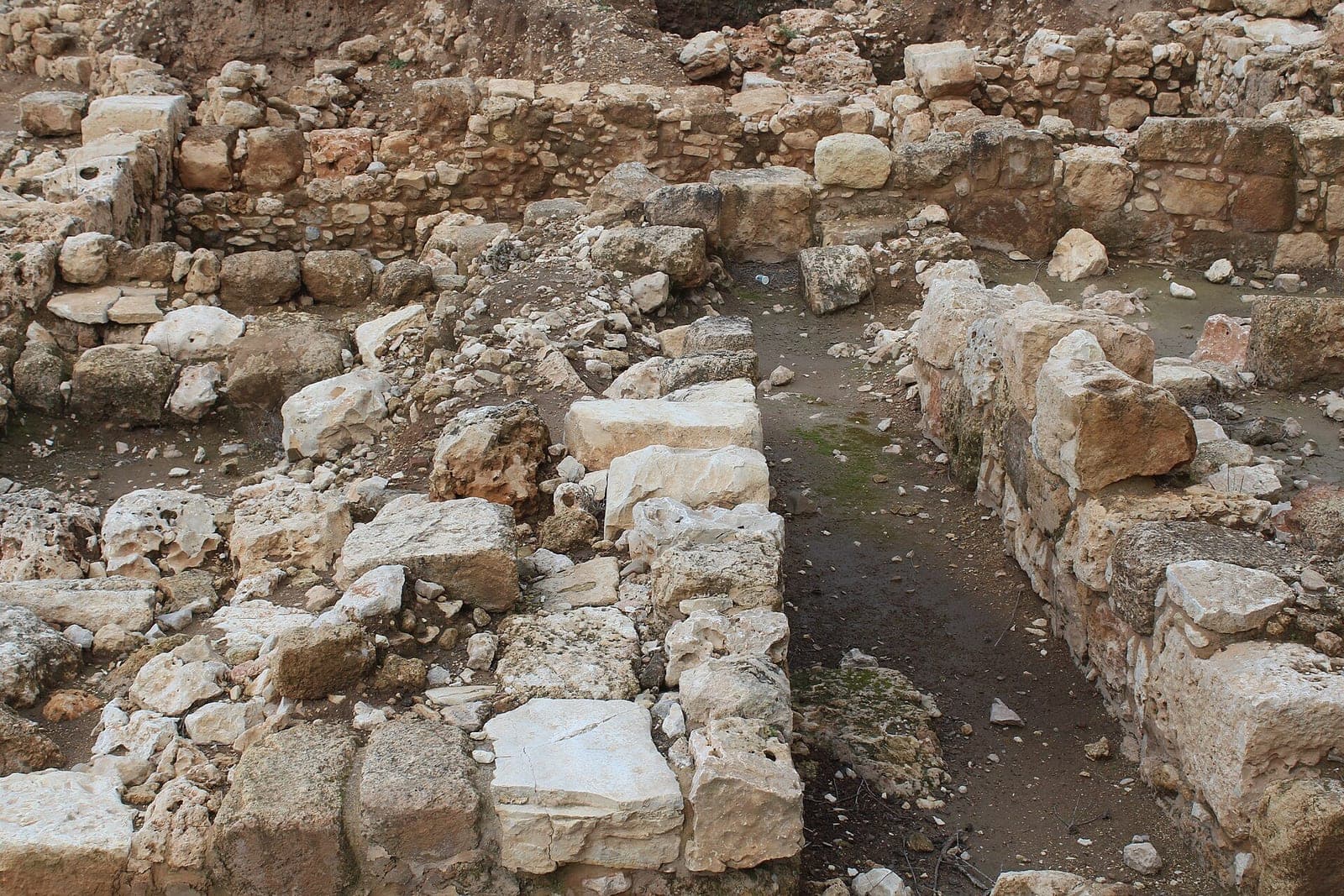
Photo: Deror Avi, via Wikimedia Commons. License: CC BY-SA 4.0. Source. Location: Tel Shiloh archaeological site, West Bank. Resized for the web.
Explore the places of the Bible
See where biblical events happened, why each place matters, and what archaeology helps us understand.
Shiloh
Where Israel set up the tabernacle, and where God called the boy Samuel.
Get full access with one subscription
Explore the people and places of the Bible. Read summaries of every book, with images and clear explanations covering every chapter. Access all these features and our Bible study tools with one subscription.
See PlansAsk AI about Job 14:17
Ask a question about this verse and get a clear answer, with Bible references you can read for yourself.
Every Bible book, explained chapter by chapter
Explore summaries of every book of the Bible, with images and easy-to-understand explanations covering every chapter.
Keep studying Job 14:17
Related Bible verses
Key themes
At a Glance — the Book of Job
- Author
- Author unknown; events likely in the patriarchal era
- Written
- Date debated
- Genre
- Wisdom literature
- Original Audience
- All who suffer or question God
Frequently Asked Questions
Quick, clear answers about this verse
What does Job 14:17 mean about sealing transgressions?
In Job 14:17, the metaphor of sealing transgressions in a bag illustrates how Job feels his sins are hidden yet still present. It signifies the weight of guilt he carries, suggesting that while he may try to conceal his wrongdoings, they remain a burden on his conscience. This imagery emphasizes the struggle with sin and the longing for forgiveness.
How can Job 14:17 help us deal with guilt?
Job 14:17 serves as a reminder that acknowledging our sins is crucial for healing. It encourages us to confront our guilt rather than hide from it. By recognizing the weight of our actions and seeking forgiveness from God, we can begin the process of spiritual growth and find relief from the burden of shame.
What themes are present in Job 14:17?
Job 14:17 encompasses several themes, including sin and iniquity, guilt and shame, despair, divine mercy, and human frailty. These themes highlight the complexity of the human experience with sin and the need for God's grace, emphasizing the importance of seeking forgiveness and understanding our moral failings.
How does Job express his feelings in this verse?
In this verse, Job expresses deep despair and a sense of entrapment by his sins. The imagery of sealing and sewing suggests that he feels his iniquities are tightly bound and unchangeable. This reflects his awareness of the consequences of his actions and his yearning for divine mercy and reconciliation.
Daily Verse — straight to your inbox
A verse and a 2-sentence plain-English explanation, every morning. Free. Unsubscribe anytime.