Old Testament
Job 39:6
Read the Bible in clear, modern English—easy to understand, faithful to the meaning, and written for everyday readers.
Whose home I have made the wilderness, and the barren land its dwellings.
Compare translations
Whose house I have made the wilderness, and the barren land his dwellings.
What Job 39:6 means
Plain-English insight for readers
In this verse, God is speaking about the wild animals and their natural habitats. The 'wilderness' and 'barren land' refer to the untamed areas of the earth where certain creatures thrive. God emphasizes His sovereignty over creation, illustrating that He has designed these environments specifically for the animals that inhabit them. This highlights the idea that every part of creation has a purpose and that God is intimately involved in the details of the natural world. The mention of 'dwellings' suggests that these animals find their homes in places that may seem desolate to humans but are perfectly suited for them. This verse serves as a reminder of the complexity and beauty of God's creation, where even the most inhospitable places are filled with life and purpose.
How to apply Job 39:6 to your life
This verse encourages us to appreciate the diversity of God's creation, including the wild and seemingly barren places. It reminds us that every creature has a role in the ecosystem, prompting us to respect and protect the environment. We can find beauty and purpose in all aspects of nature, even those that seem desolate.
Curated for this public verse page. Job Summary
Learn the Bible through its people and places
Get to know the people in Scripture through illustrated stories, and explore the places where they lived and traveled.
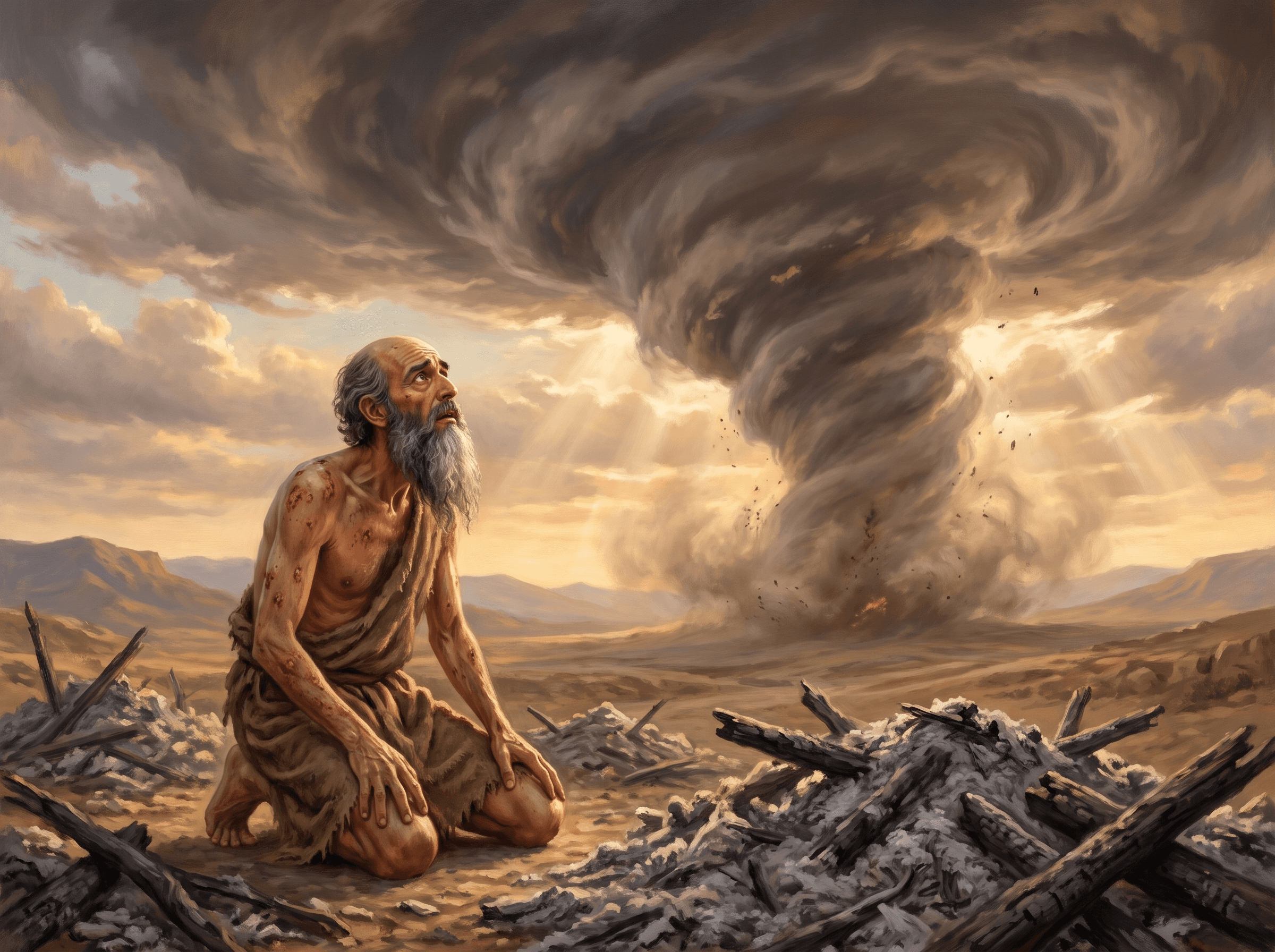
Illustrated scene from Job's story: Out of the Whirlwind (Job 38:1–41:34)
Meet the people of the Bible
Follow their lives in order, with illustrated scenes and Bible passages that tell their stories.
 Job

Photo: Zeev Stein / PikiWiki Israel, via Wikimedia Commons. License: CC BY 2.5. Source. Location: Tel Beer Sheva National Park, Israel. Resized for the web.
Explore the places of the Bible
See where biblical events happened, why each place matters, and what archaeology helps us understand.
Beersheba
Where Abraham and Isaac dug wells and worshiped the LORD, at the southern edge of the land.
Get full access with one subscription
Explore the people and places of the Bible. Read summaries of every book, with images and clear explanations covering every chapter. Access all these features and our Bible study tools with one subscription.
See PlansAsk AI about Job 39:6
Ask a question about this verse and get a clear answer, with Bible references you can read for yourself.
Every Bible book, explained chapter by chapter
Explore summaries of every book of the Bible, with images and easy-to-understand explanations covering every chapter.
Keep studying Job 39:6
Related Bible verses
Key themes
Related topics
At a Glance — the Book of Job
- Author
- Author unknown; events likely in the patriarchal era
- Written
- Date debated
- Genre
- Wisdom literature
- Original Audience
- All who suffer or question God
Frequently Asked Questions
Quick, clear answers about this verse
What does Job 39:6 mean?
Job 39:6 refers to God's creation of wild animals and their habitats in the wilderness and barren land. It highlights God's control over nature and the specific environments He has designed for different creatures.
What is the meaning of 'wilderness' in Job 39:6?
In Job 39:6, 'wilderness' signifies untamed, natural areas where wild animals live. It emphasizes that these places, though barren to humans, are essential for the survival of various species.
How does Job 39:6 relate to God's design in nature?
Job 39:6 shows that God intentionally creates environments for animals, demonstrating His intricate design in nature. It reminds us that every creature has a role in the ecosystem.
What can we learn from Job 39:6 about the environment?
Job 39:6 teaches us to appreciate all aspects of nature, including wild and barren places. It encourages respect for the environment and recognition of the beauty and purpose found in all habitats.
Daily Verse — straight to your inbox
A verse and a 2-sentence plain-English explanation, every morning. Free. Unsubscribe anytime.