New Testament
John 1:13
Read the Bible in clear, modern English—easy to understand, faithful to the meaning, and written for everyday readers.
who were born not of blood, nor of the will of the flesh, nor of the will of man, but of God.
Compare translations
Which were born, not of blood, nor of the will of the flesh, nor of the will of man, but of God.
What John 1:13 means
Plain-English insight for readers
This verse emphasizes the spiritual rebirth of believers, highlighting that their new life in Christ is not a result of human effort or lineage. It clarifies that being born again is not about physical descent or human desire, but is a divine act initiated by God. This underscores the idea that salvation and spiritual transformation come solely from God's will and power, rather than any human action or heritage. The phrase 'not of blood' indicates that one's family background or ethnicity does not determine their relationship with God. Similarly, 'nor of the will of the flesh' and 'nor of the will of man' stress that human desires or decisions cannot bring about this new birth. Instead, it is a gift from God, signifying His sovereignty and grace in the process of salvation. This verse reassures believers that their identity as children of God is rooted in divine choice and not in human merit.
How to apply John 1:13 to your life
Understanding that our spiritual rebirth is a gift from God encourages humility and gratitude. It reminds us that we cannot earn our way into God's family through our actions or heritage. This realization should inspire us to share the message of grace with others, emphasizing that anyone can be born of God through faith.
Curated for this public verse page. John Summary
Explore more of the Bible
Learn the Bible through its people and places
Get to know the people in Scripture through illustrated stories, and explore the places where they lived and traveled.
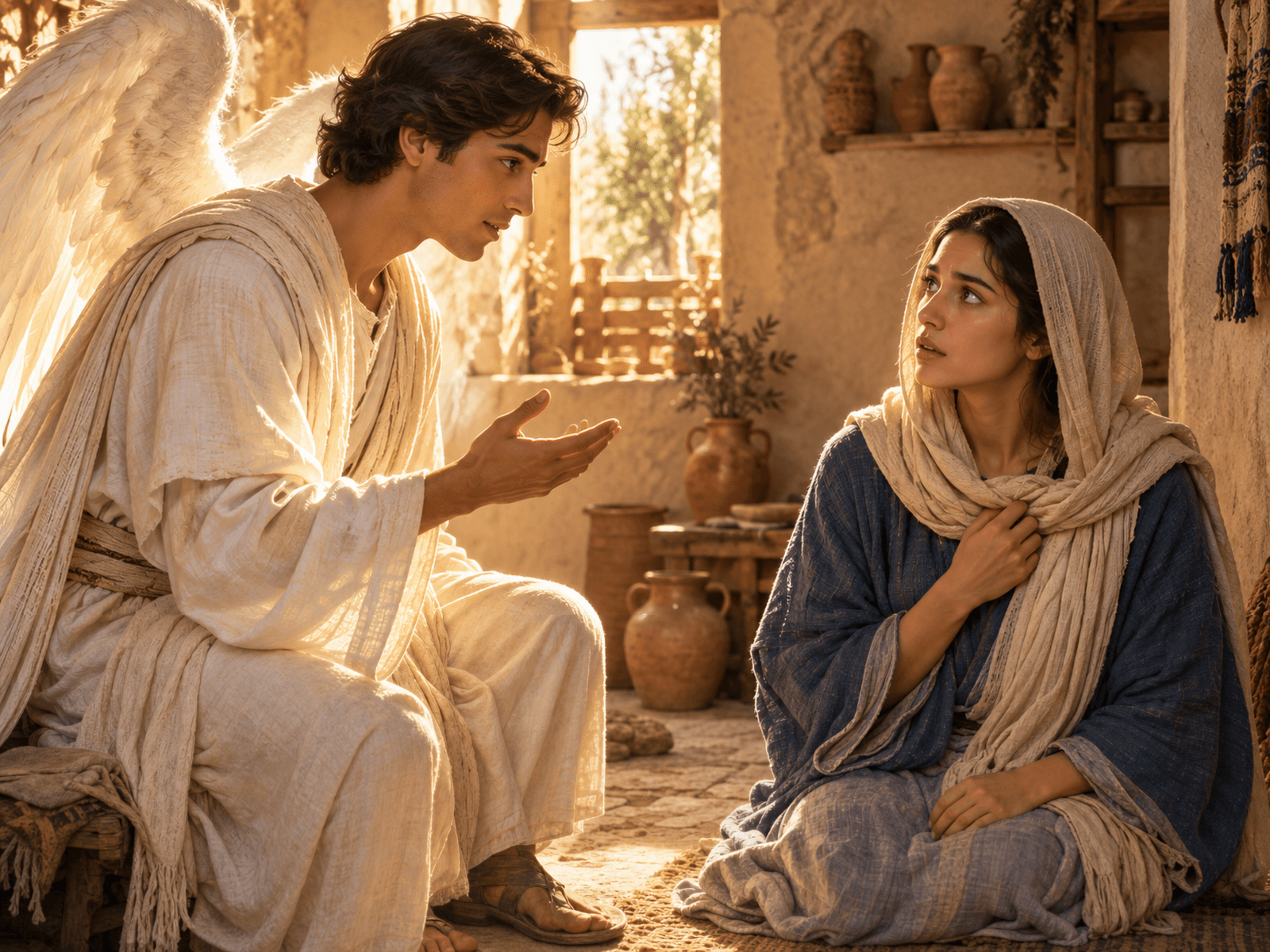
Illustrated scene from Jesus's story: An Angel Visits Mary (Luke 1:26–38)
Meet the people of the Bible
Follow their lives in order, with illustrated scenes and Bible passages that tell their stories.
 Jesus
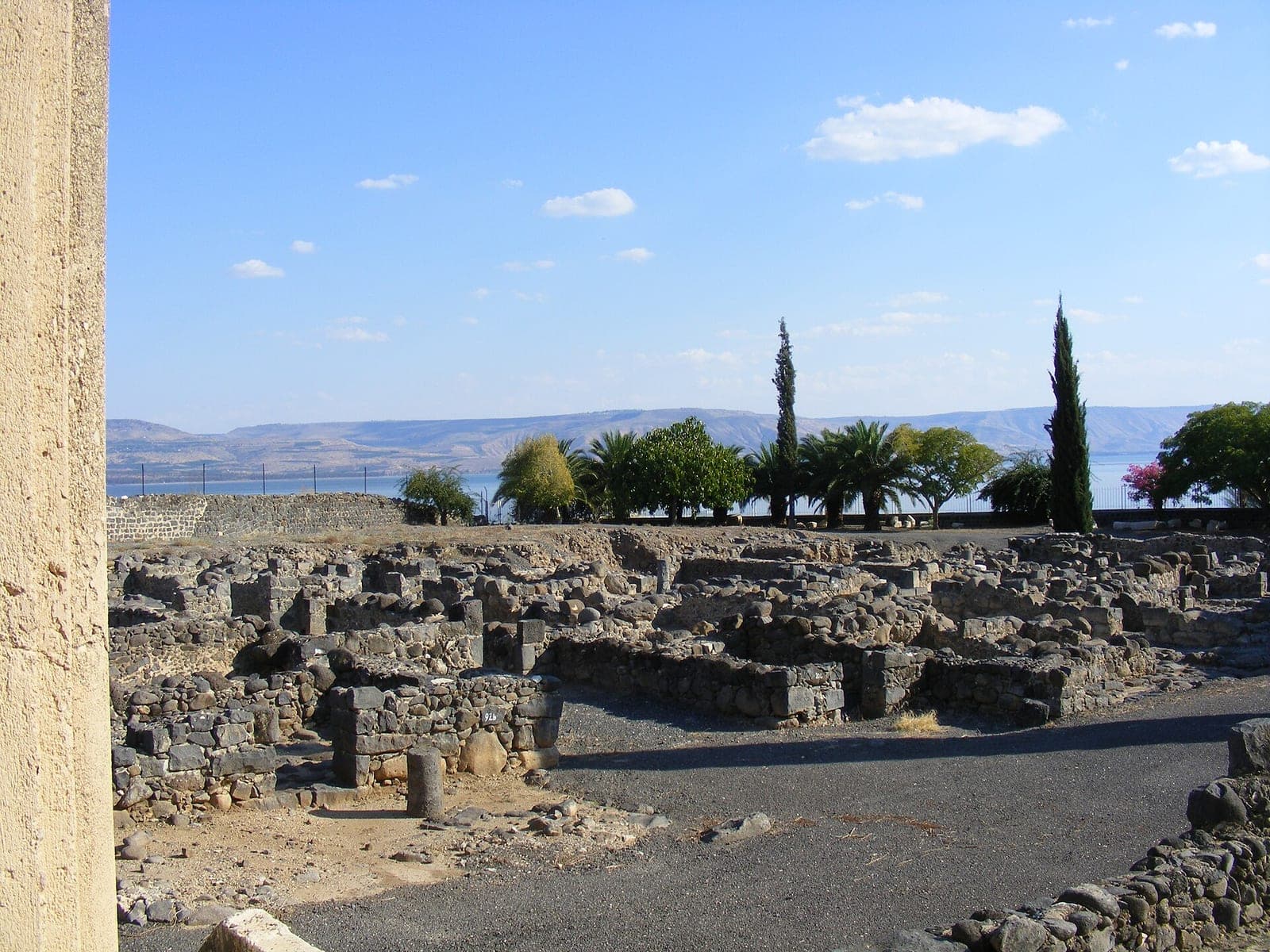
Photo: zeevveez, via Wikimedia Commons. License: CC BY 2.0. Source. Location: Capernaum, on the northern shore of the Sea of Galilee. Resized for the web.
Explore the places of the Bible
See where biblical events happened, why each place matters, and what archaeology helps us understand.
Capernaum
Jesus' home base by the Sea of Galilee, and the town where Peter lived.
Get full access with one subscription
Explore the people and places of the Bible. Read summaries of every book, with images and clear explanations covering every chapter. Access all these features and our Bible study tools with one subscription.
See PlansAsk AI about John 1:13
Ask a question about this verse and get a clear answer, with Bible references you can read for yourself.
Every Bible book, explained chapter by chapter
Explore summaries of every book of the Bible, with images and easy-to-understand explanations covering every chapter.
Keep studying John 1:13
Related Bible verses
Key themes
Related topics
At a Glance — the Book of John
- Author
- John the apostle
- Written
- Around AD 85-95
- Genre
- Gospel
- Original Audience
- All believers
Frequently Asked Questions
Quick, clear answers about this verse
What does John 1:13 mean?
John 1:13 explains that being born again as a child of God is not based on human lineage or effort. It emphasizes that this spiritual rebirth is solely a result of God's will and action.
What is the meaning of 'not of blood' in John 1:13?
'Not of blood' means that one's family background or ethnicity does not determine their relationship with God. This phrase highlights that spiritual rebirth is not dependent on human heritage.
What does 'nor of the will of the flesh' mean in John 1:13?
'Nor of the will of the flesh' indicates that human desires or efforts cannot bring about spiritual rebirth. It emphasizes that this new life in Christ is a divine act initiated by God.
How does John 1:13 relate to identity in Christ?
John 1:13 highlights that our identity as children of God is rooted in God's choice, not in our actions or heritage. This reinforces the idea that believers are defined by their relationship with God.
Daily Verse — straight to your inbox
A verse and a 2-sentence plain-English explanation, every morning. Free. Unsubscribe anytime.