New Testament
John 1:20
Read the Bible in clear, modern English—easy to understand, faithful to the meaning, and written for everyday readers.
He confessed and did not deny it, but confessed, "I am not the Christ."
Compare translations
And he confessed, and denied not; but confessed, I am not the Christ.
What John 1:20 means
Plain-English insight for readers
In this verse, John the Baptist openly acknowledges his role and clarifies his identity. He firmly states that he is not the Messiah, the Christ, whom the people were eagerly anticipating. This confession is significant because it highlights John's humility and his understanding of his mission. He does not seek to elevate himself or mislead others into thinking he is the Savior. Instead, he points away from himself and directs attention to Jesus, who is the true Christ. This moment emphasizes the importance of recognizing one's role in God's plan and the need for humility in leadership. John's clear declaration serves as a reminder that even those who are called to lead must remain grounded in their purpose and not seek glory for themselves. His honesty about his identity helps to prepare the way for Jesus, reinforcing the idea that the focus should always be on Christ rather than on human figures.
How to apply John 1:20 to your life
This verse encourages us to be honest about our identities and roles in life. Like John the Baptist, we should not seek to take credit for what belongs to God. Instead, we should point others to Christ and serve our purpose with humility, recognizing that our value comes from Him.
Curated for this public verse page. John Summary
Learn the Bible through its people and places
Get to know the people in Scripture through illustrated stories, and explore the places where they lived and traveled.
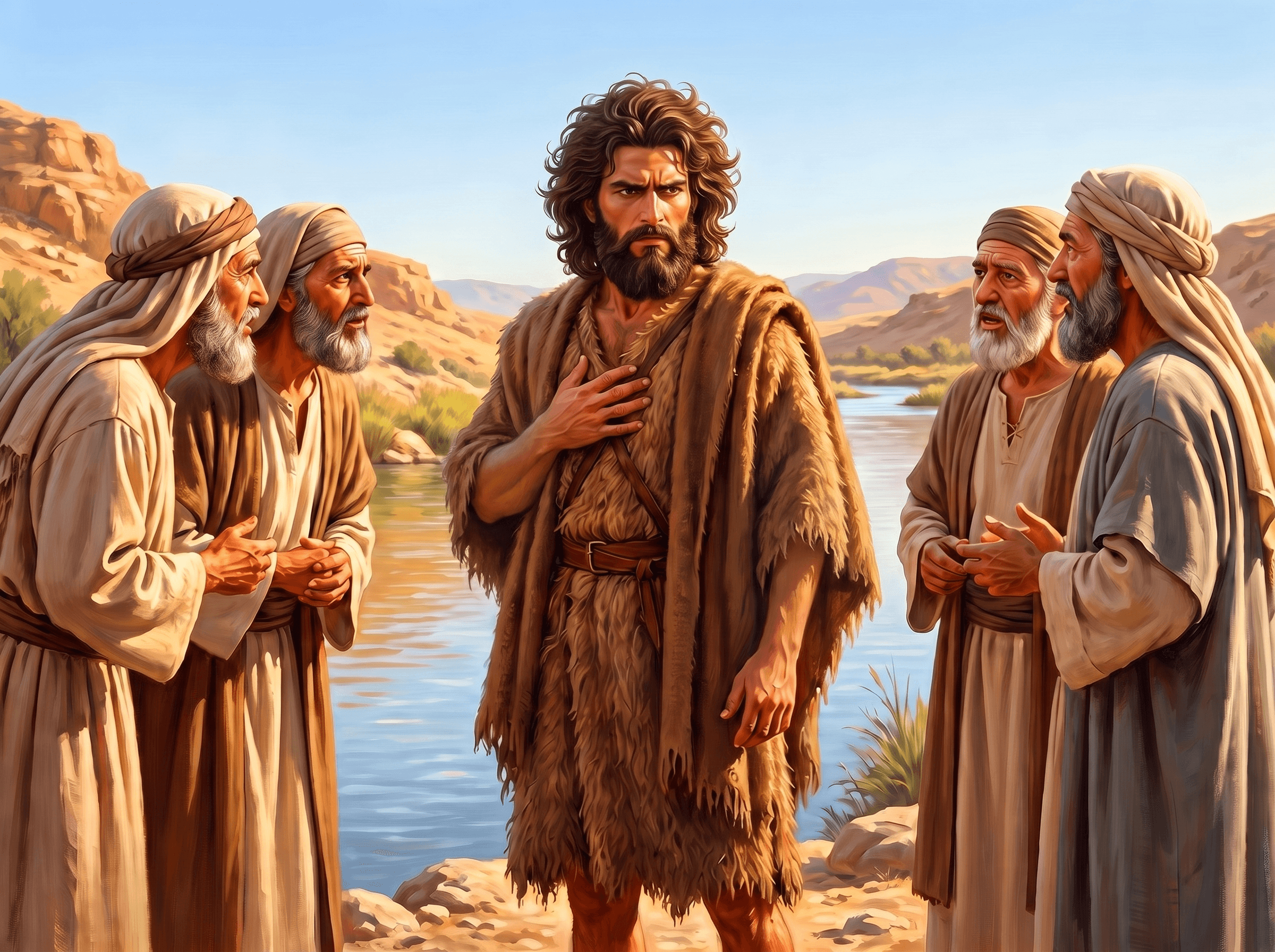
Illustrated scene from John the Baptist's story: “Who Are You?” (John 1:19–28)
Meet the people of the Bible
Follow their lives in order, with illustrated scenes and Bible passages that tell their stories.
 John the Baptist
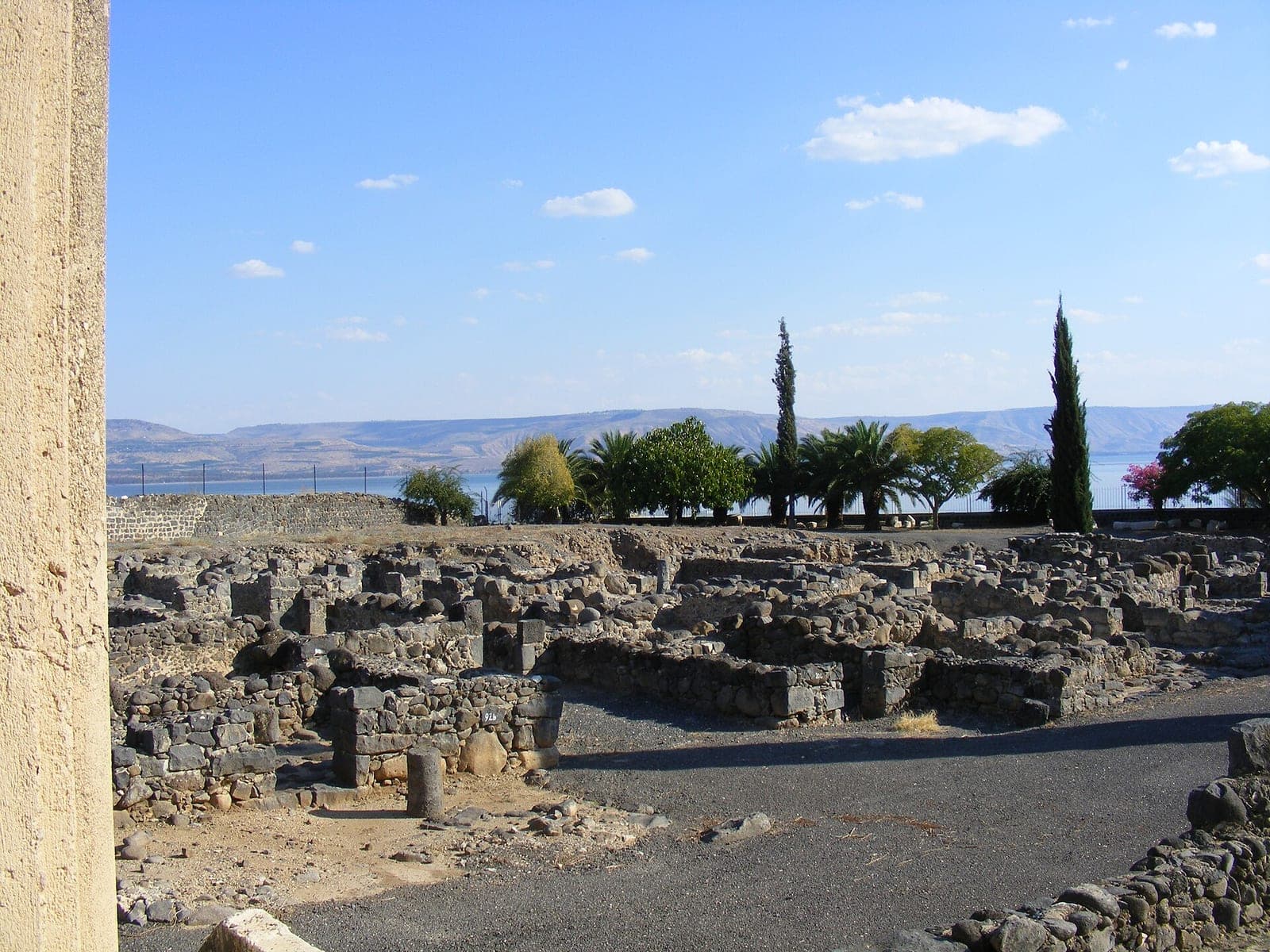
Photo: zeevveez, via Wikimedia Commons. License: CC BY 2.0. Source. Location: Capernaum, on the northern shore of the Sea of Galilee. Resized for the web.
Explore the places of the Bible
See where biblical events happened, why each place matters, and what archaeology helps us understand.
Capernaum
Jesus' home base by the Sea of Galilee, and the town where Peter lived.
Get full access with one subscription
Explore the people and places of the Bible. Read summaries of every book, with images and clear explanations covering every chapter. Access all these features and our Bible study tools with one subscription.
See PlansAsk AI about John 1:20
Ask a question about this verse and get a clear answer, with Bible references you can read for yourself.
Every Bible book, explained chapter by chapter
Explore summaries of every book of the Bible, with images and easy-to-understand explanations covering every chapter.
Keep studying John 1:20
Related Bible verses
Related topics
At a Glance — the Book of John
- Author
- John the apostle
- Written
- Around AD 85-95
- Genre
- Gospel
- Original Audience
- All believers
Frequently Asked Questions
Quick, clear answers about this verse
What does John 1:20 reveal about John the Baptist's role?
John 1:20 highlights John the Baptist's humility and clarity regarding his mission. He openly states that he is not the Christ, which emphasizes his role as a forerunner to Jesus rather than the Messiah himself. This confession is crucial as it directs the focus away from himself and towards Jesus, reinforcing the idea that John understood his purpose in God's plan.
Why is John's confession important in the context of the Gospel?
John's confession in John 1:20 is important because it sets the stage for Jesus' ministry. By clearly stating that he is not the Christ, John helps to clarify the identity of Jesus as the true Messiah. This moment underscores the theme of humility and the importance of recognizing one's role in God's plan, which is a recurring message throughout the Gospel.
How can we apply the message of John 1:20 to our lives?
The message of John 1:20 encourages us to embrace humility and honesty about our identities. Just as John the Baptist pointed others to Christ, we too should focus on serving our purpose without seeking personal glory. This verse reminds us to recognize our value in relation to God and to direct others towards Him, rather than elevating ourselves.
How does John 1:20 relate to the theme of leadership in the Bible?
John 1:20 relates to biblical leadership by illustrating the importance of humility and self-awareness. Effective leaders, like John the Baptist, recognize their role in God's plan and do not seek to elevate themselves. This verse serves as a reminder that true leadership involves pointing others towards Christ and serving with integrity, rather than seeking personal recognition.
Daily Verse — straight to your inbox
A verse and a 2-sentence plain-English explanation, every morning. Free. Unsubscribe anytime.