New Testament
John 1:21
Read the Bible in clear, modern English—easy to understand, faithful to the meaning, and written for everyday readers.
They asked him, "What then? Are you Elijah?" He said, "I am not." "Are you the Prophet?" He answered, "No."
Compare translations
And they asked him, What then? Art thou Elias? And he saith, I am not. Art thou that prophet? And he answered, No.
What John 1:21 means
Plain-English insight for readers
In this verse, John the Baptist is questioned by a group of people who want to know his identity. They ask if he is Elijah, a significant prophet expected to return before the Messiah, and he denies it. They also inquire if he is 'the Prophet,' a reference to a figure foretold in Deuteronomy 18:15, and again he answers negatively. John's responses highlight his role as a forerunner to Christ rather than the fulfillment of these prophetic figures. This moment emphasizes the importance of understanding one's identity and purpose in relation to God's plan. John is clear that he is not the one they are expecting, but rather he is preparing the way for someone greater, which is Jesus. This sets the stage for the revelation of Christ's true identity and mission, showing that John is humble and focused on his task of pointing others to Jesus rather than seeking glory for himself.
How to apply John 1:21 to your life
This passage encourages us to understand our own identities and roles in God's plan. Like John, we should be clear about who we are and what we are called to do, focusing on serving others and pointing them to Christ rather than seeking personal recognition.
Curated for this public verse page. John Summary
Learn the Bible through its people and places
Get to know the people in Scripture through illustrated stories, and explore the places where they lived and traveled.
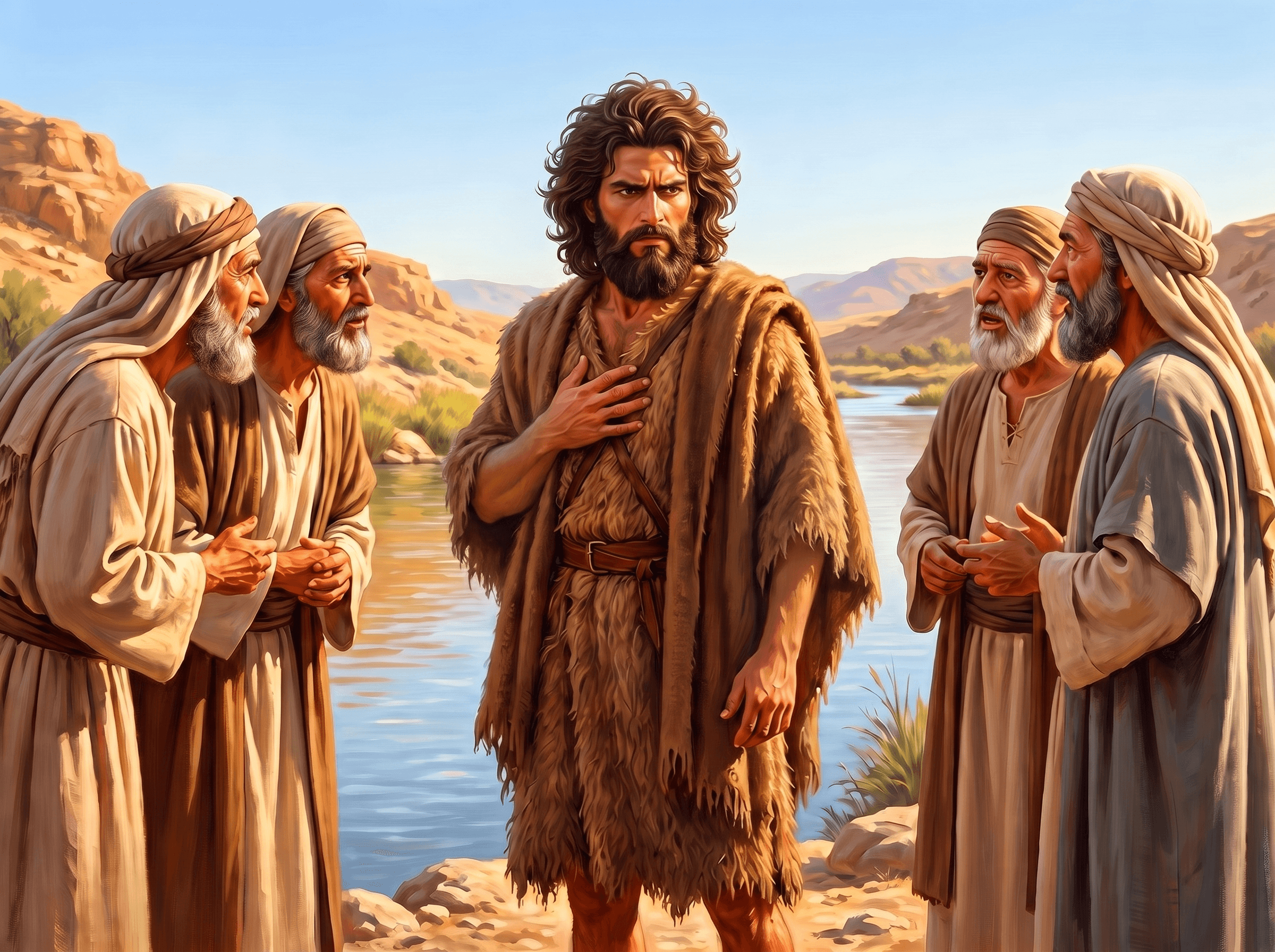
Illustrated scene from John the Baptist's story: “Who Are You?” (John 1:19–28)
Meet the people of the Bible
Follow their lives in order, with illustrated scenes and Bible passages that tell their stories.
 John the Baptist
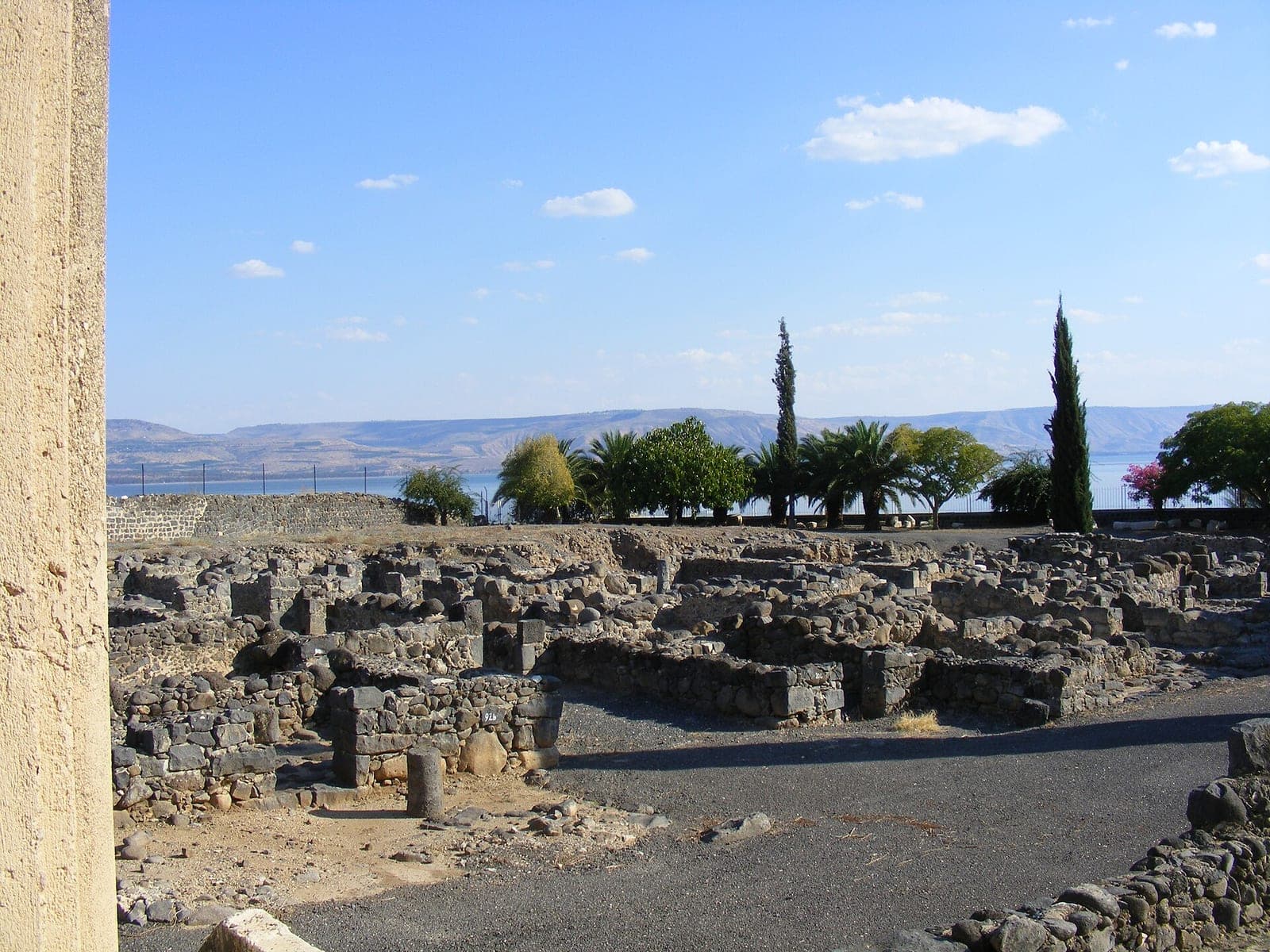
Photo: zeevveez, via Wikimedia Commons. License: CC BY 2.0. Source. Location: Capernaum, on the northern shore of the Sea of Galilee. Resized for the web.
Explore the places of the Bible
See where biblical events happened, why each place matters, and what archaeology helps us understand.
Capernaum
Jesus' home base by the Sea of Galilee, and the town where Peter lived.
Get full access with one subscription
Explore the people and places of the Bible. Read summaries of every book, with images and clear explanations covering every chapter. Access all these features and our Bible study tools with one subscription.
See PlansAsk AI about John 1:21
Ask a question about this verse and get a clear answer, with Bible references you can read for yourself.
Every Bible book, explained chapter by chapter
Explore summaries of every book of the Bible, with images and easy-to-understand explanations covering every chapter.
Keep studying John 1:21
Related Bible verses
At a Glance — the Book of John
- Author
- John the apostle
- Written
- Around AD 85-95
- Genre
- Gospel
- Original Audience
- All believers
Frequently Asked Questions
Quick, clear answers about this verse
What does John 1:21 mean?
In John 1:21, John the Baptist is asked if he is Elijah or 'the Prophet.' He denies both identities, emphasizing that he is not the expected figures but is instead preparing the way for Jesus.
Who is 'the Prophet' mentioned in John 1:21?
'The Prophet' refers to a figure prophesied in Deuteronomy 18:15, expected to arise like Moses. John's denial indicates that he is not this figure, further clarifying his role in relation to Jesus.
What does this verse reveal about John the Baptist's identity?
This verse reveals that John the Baptist understands his identity and purpose clearly; he is not the Messiah or a major prophet but is instead called to prepare the way for Jesus.
How does John 1:21 relate to the theme of humility?
John 1:21 illustrates humility as John refuses to claim titles or recognition that do not belong to him. He prioritizes his mission to direct others to Christ over seeking personal glory.
Daily Verse — straight to your inbox
A verse and a 2-sentence plain-English explanation, every morning. Free. Unsubscribe anytime.