New Testament
John 12:15
Read the Bible in clear, modern English—easy to understand, faithful to the meaning, and written for everyday readers.
"Do not be afraid, daughter of Zion. Look, your King is coming, seated on a donkey's colt."
Compare translations
Fear not, daughter of Sion: behold, thy King cometh, sitting on an ass’s colt.
What John 12:15 means
Plain-English insight for readers
In this verse, Jesus is fulfilling a prophecy from Zechariah 9:9, which speaks of a humble king coming to His people. The phrase 'Do not be afraid' reassures the people of Jerusalem, indicating that His arrival is a moment of hope rather than fear. The imagery of a king riding on a donkey's colt symbolizes peace, contrasting with the expectations of a warrior king. This event marks the beginning of Jesus' final week before His crucifixion, known as Palm Sunday, where the crowds welcomed Him with joy, recognizing Him as their Messiah. The donkey's colt signifies humility and gentleness, emphasizing that Jesus' kingdom is not about earthly power but about spiritual salvation. This moment invites reflection on how we perceive leadership and authority, as well as the nature of Jesus' mission on earth.
How to apply John 12:15 to your life
As we reflect on this verse, we are encouraged to embrace humility and peace in our own lives. We should not fear the challenges we face, knowing that Jesus, our King, comes to us with love and grace. Let us welcome Him into our hearts.
Curated for this public verse page. John Summary
Learn the Bible through its people and places
Get to know the people in Scripture through illustrated stories, and explore the places where they lived and traveled.
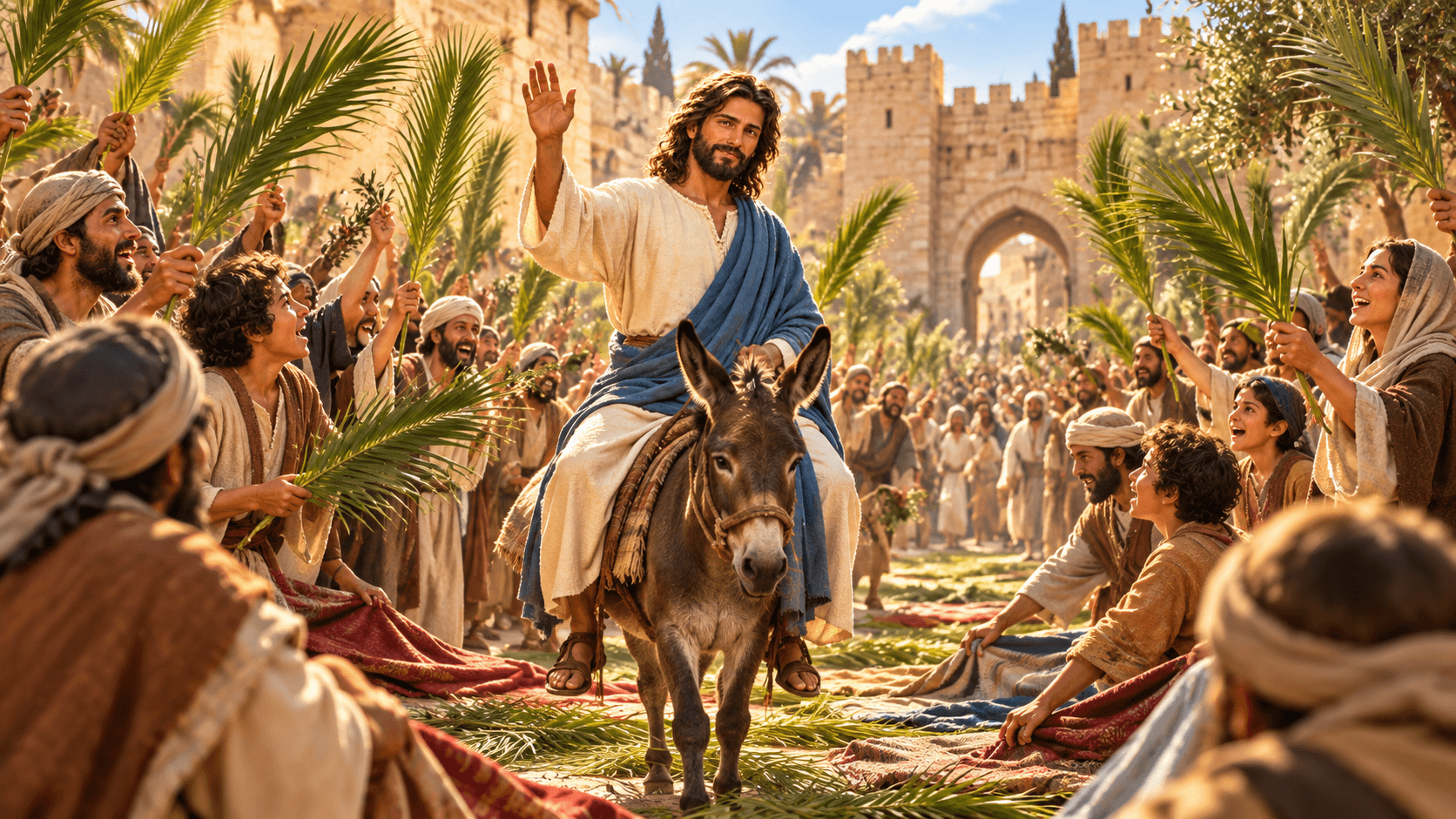
Illustrated scene from Jesus's story: The Triumphal Entry (John 12:12–19)
Meet the people of the Bible
Follow their lives in order, with illustrated scenes and Bible passages that tell their stories.
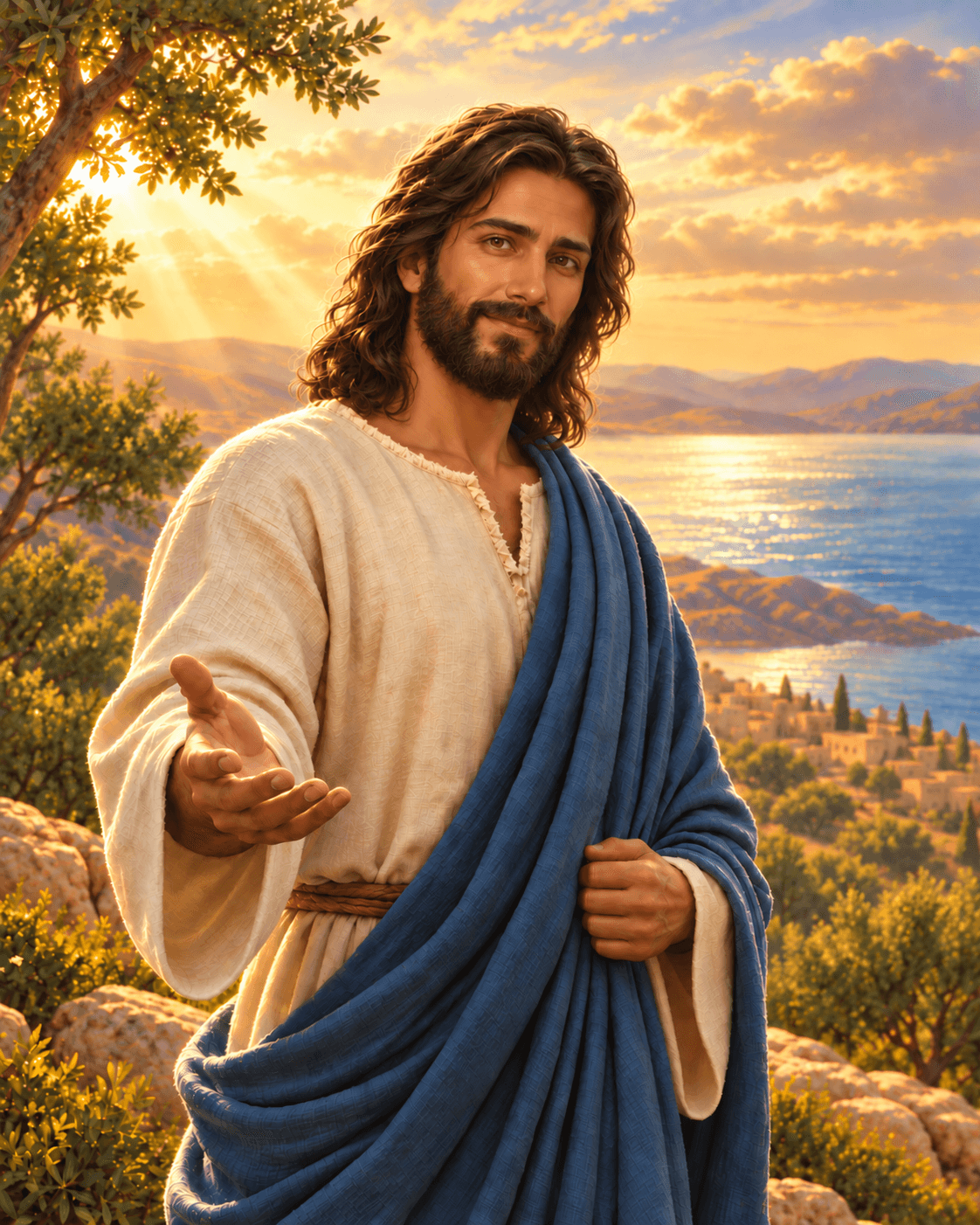 Jesus
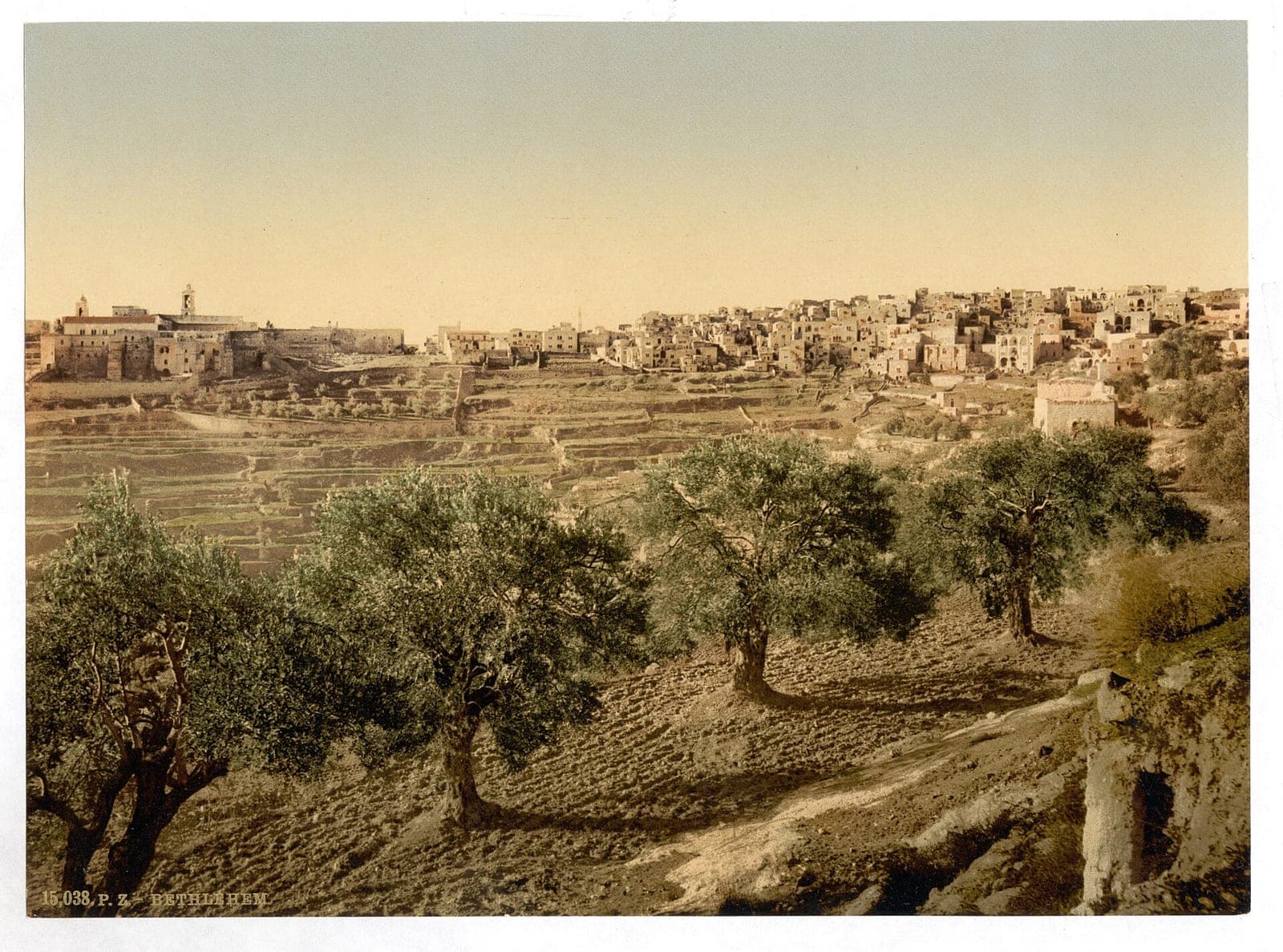
Photo: Photochrom print, Library of Congress Prints and Photographs Division (LCCN 2002724966). License: Public domain in the United States; Library of Congress states no known restrictions on publication. Source. Location: Bethlehem, West Bank; print preserved by the Library of Congress. Resized for the web.
Explore the places of the Bible
See where biblical events happened, why each place matters, and what archaeology helps us understand.
Bethlehem
David's hometown, and the town where Jesus was born.
Get full access with one subscription
Explore the people and places of the Bible. Read summaries of every book, with images and clear explanations covering every chapter. Access all these features and our Bible study tools with one subscription.
See PlansAsk AI about John 12:15
Ask a question about this verse and get a clear answer, with Bible references you can read for yourself.
Every Bible book, explained chapter by chapter
Explore summaries of every book of the Bible, with images and easy-to-understand explanations covering every chapter.
Keep studying John 12:15
Related Bible verses
At a Glance — the Book of John
- Author
- John the apostle
- Written
- Around AD 85-95
- Genre
- Gospel
- Original Audience
- All believers
Frequently Asked Questions
Quick, clear answers about this verse
What does John 12:15 mean?
John 12:15 refers to Jesus' entry into Jerusalem, fulfilling the prophecy from Zechariah 9:9. It emphasizes His humble approach as a king riding on a donkey's colt, symbolizing peace and hope for the people.
What is the significance of the donkey's colt in John 12:15?
The donkey's colt in John 12:15 symbolizes humility and peace, contrasting with the expectations of a warrior king. It highlights that Jesus' kingdom is about spiritual salvation rather than earthly power.
What does 'Do not be afraid' mean in John 12:15?
The phrase 'Do not be afraid' in John 12:15 reassures the people of Jerusalem that Jesus' arrival is a moment of hope. It encourages them to welcome Him joyfully as their Messiah.
How does John 12:15 relate to Palm Sunday?
John 12:15 describes Jesus' triumphant entry into Jerusalem, which is celebrated on Palm Sunday. This event marks the beginning of His final week before the crucifixion, where crowds recognized Him as their King.
Daily Verse — straight to your inbox
A verse and a 2-sentence plain-English explanation, every morning. Free. Unsubscribe anytime.