New Testament
John 16:25
Read the Bible in clear, modern English—easy to understand, faithful to the meaning, and written for everyday readers.
"I have spoken these things to you in figurative language. A time is coming when I will no longer speak to you in figures, but will tell you plainly about the Father.
Compare translations
These things have I spoken unto you in proverbs: but the time cometh, when I shall no more speak unto you in proverbs, but I shall shew you plainly of the Father.
What John 16:25 means
Plain-English insight for readers
In this verse, Jesus explains that He has been using figurative language or proverbs to communicate deeper truths about God and His relationship with humanity. He acknowledges that this method can be confusing and that a time will come when He will speak more directly and clearly about the Father. This promise indicates a shift in how God will reveal Himself, suggesting that understanding will be more accessible. The clarity of His message will help His followers grasp the nature of God and their relationship with Him. This statement also foreshadows the coming of the Holy Spirit, who will guide believers into all truth, making the teachings of Jesus more comprehensible. Ultimately, this verse reassures believers that they will receive a fuller revelation of God, enhancing their faith and understanding.
How to apply John 16:25 to your life
As believers, we can seek a deeper understanding of God through prayer and study of Scripture. Embrace the promise that God will reveal Himself more clearly as we grow in faith. Trust that the Holy Spirit will guide us in understanding God's truths.
Curated for this public verse page. John Summary
Learn the Bible through its people and places
Get to know the people in Scripture through illustrated stories, and explore the places where they lived and traveled.
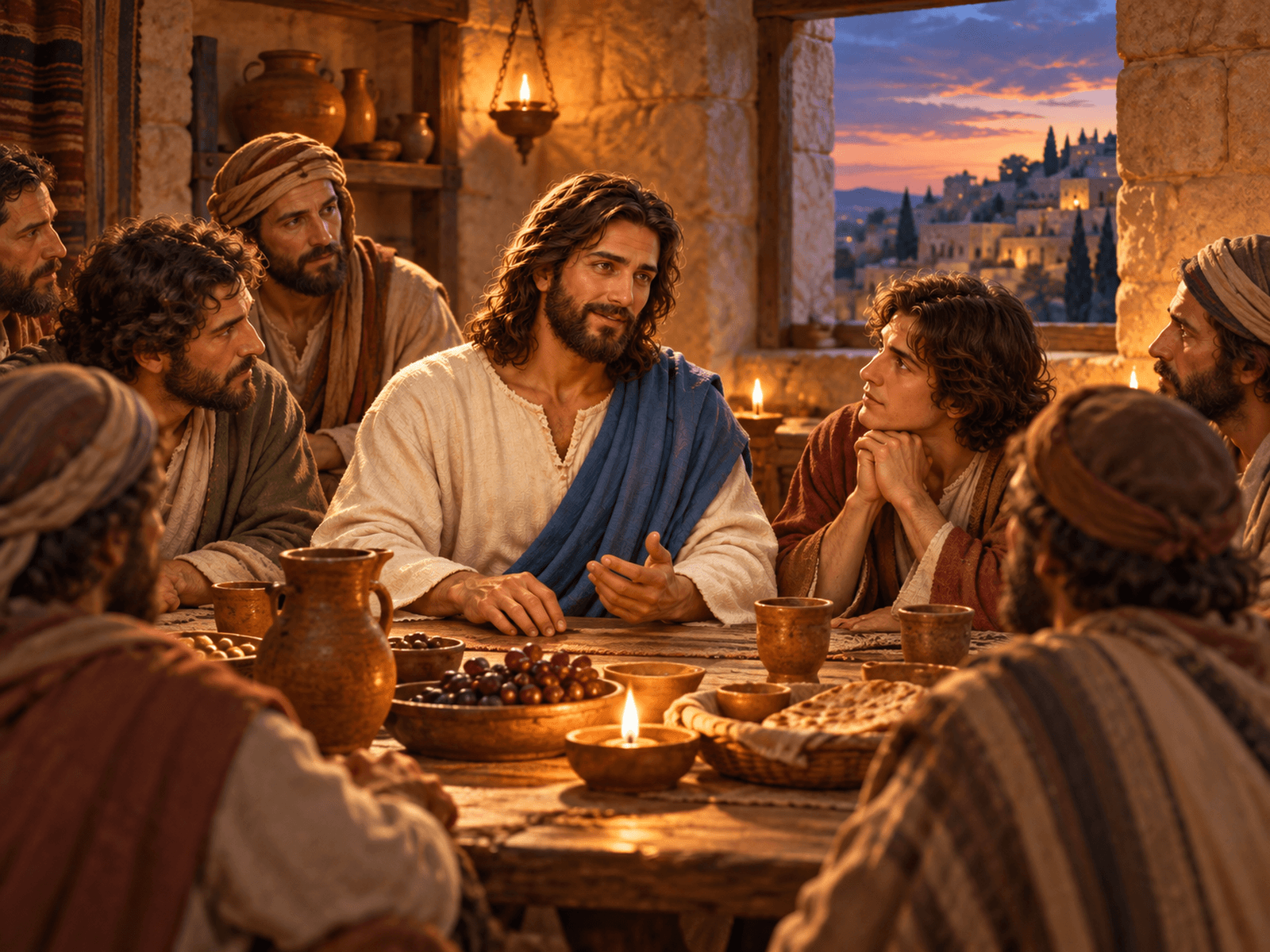
Illustrated scene from Jesus's story: Jesus Comforts His Disciples (John 14:1–16:33)
Meet the people of the Bible
Follow their lives in order, with illustrated scenes and Bible passages that tell their stories.
 Jesus
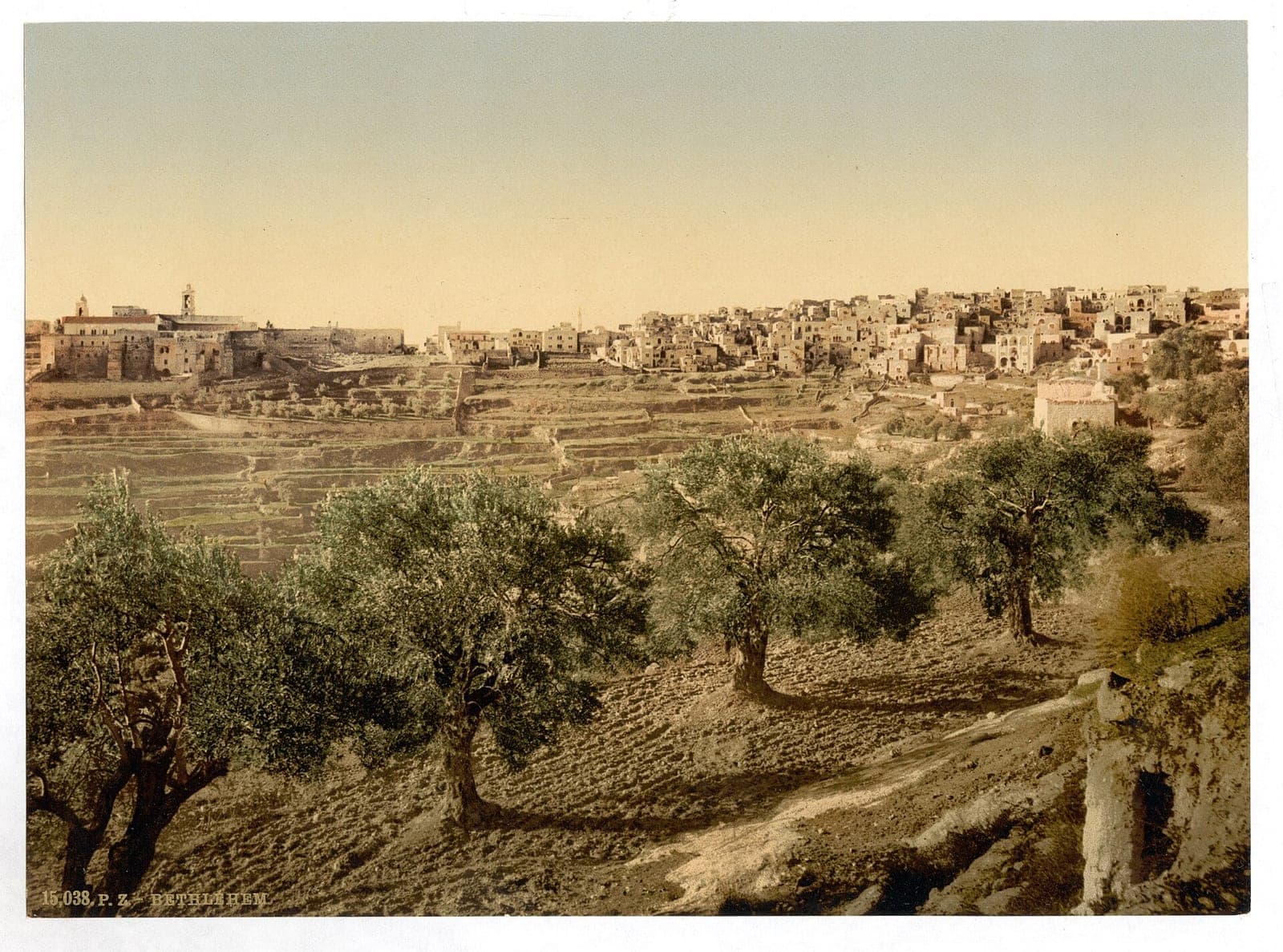
Photo: Photochrom print, Library of Congress Prints and Photographs Division (LCCN 2002724966). License: Public domain in the United States; Library of Congress states no known restrictions on publication. Source. Location: Bethlehem, West Bank; print preserved by the Library of Congress. Resized for the web.
Explore the places of the Bible
See where biblical events happened, why each place matters, and what archaeology helps us understand.
Bethlehem
David's hometown, and the town where Jesus was born.
Get full access with one subscription
Explore the people and places of the Bible. Read summaries of every book, with images and clear explanations covering every chapter. Access all these features and our Bible study tools with one subscription.
See PlansAsk AI about John 16:25
Ask a question about this verse and get a clear answer, with Bible references you can read for yourself.
Every Bible book, explained chapter by chapter
Explore summaries of every book of the Bible, with images and easy-to-understand explanations covering every chapter.
Keep studying John 16:25
Related Bible verses
At a Glance — the Book of John
- Author
- John the apostle
- Written
- Around AD 85-95
- Genre
- Gospel
- Original Audience
- All believers
Frequently Asked Questions
Quick, clear answers about this verse
What does John 16:25 mean?
In John 16:25, Jesus explains that He has been using figurative language to convey deeper truths about God. He promises that a time will come when He will speak more plainly, making it easier for His followers to understand their relationship with the Father.
What is the meaning of figurative language in John 16:25?
Figurative language in John 16:25 refers to the use of proverbs and metaphors by Jesus to express complex spiritual truths. This method can be confusing, but He indicates that clearer communication about God will come in the future.
How does John 16:25 relate to the Holy Spirit?
John 16:25 foreshadows the coming of the Holy Spirit, who will help believers understand Jesus' teachings more clearly. The Holy Spirit will guide them into all truth, enhancing their comprehension of God's message.
Why does Jesus use proverbs in John 16:25?
Jesus uses proverbs in John 16:25 to communicate profound truths in a way that invites reflection and deeper thought. This approach allows listeners to engage with the message, but He acknowledges that it can lead to confusion.
Daily Verse — straight to your inbox
A verse and a 2-sentence plain-English explanation, every morning. Free. Unsubscribe anytime.