New Testament
John 19:33
Read the Bible in clear, modern English—easy to understand, faithful to the meaning, and written for everyday readers.
But when they came to Jesus and saw that he was already dead, they did not break his legs.
Compare translations
But when they came to Jesus, and saw that he was dead already, they brake not his legs:
What John 19:33 means
Plain-English insight for readers
In John 19:33, the soldiers came to check on Jesus after His crucifixion. They found that He was already dead, which was significant because it fulfilled the prophecy that none of His bones would be broken. Normally, to hasten death, the legs of the crucified were broken, but in this case, they did not do so. This moment highlights the reality of Jesus' death and the fulfillment of Scripture, emphasizing His sacrifice for humanity. The decision not to break His legs also underscores the divine plan at work, showing that Jesus' death was not an accident but a part of God's redemptive purpose. This event serves as a powerful reminder of the seriousness of sin and the lengths to which God went to provide salvation through Jesus. It also illustrates the importance of recognizing and understanding the fulfillment of biblical prophecies in the life and death of Christ.
How to apply John 19:33 to your life
This verse encourages us to reflect on the significance of Jesus' sacrifice. Understanding that His death was intentional and prophetic can deepen our appreciation for His love and grace. We are called to live in a way that honors this sacrifice, sharing the message of hope and redemption with others.
Curated for this public verse page. John Summary
Learn the Bible through its people and places
Get to know the people in Scripture through illustrated stories, and explore the places where they lived and traveled.
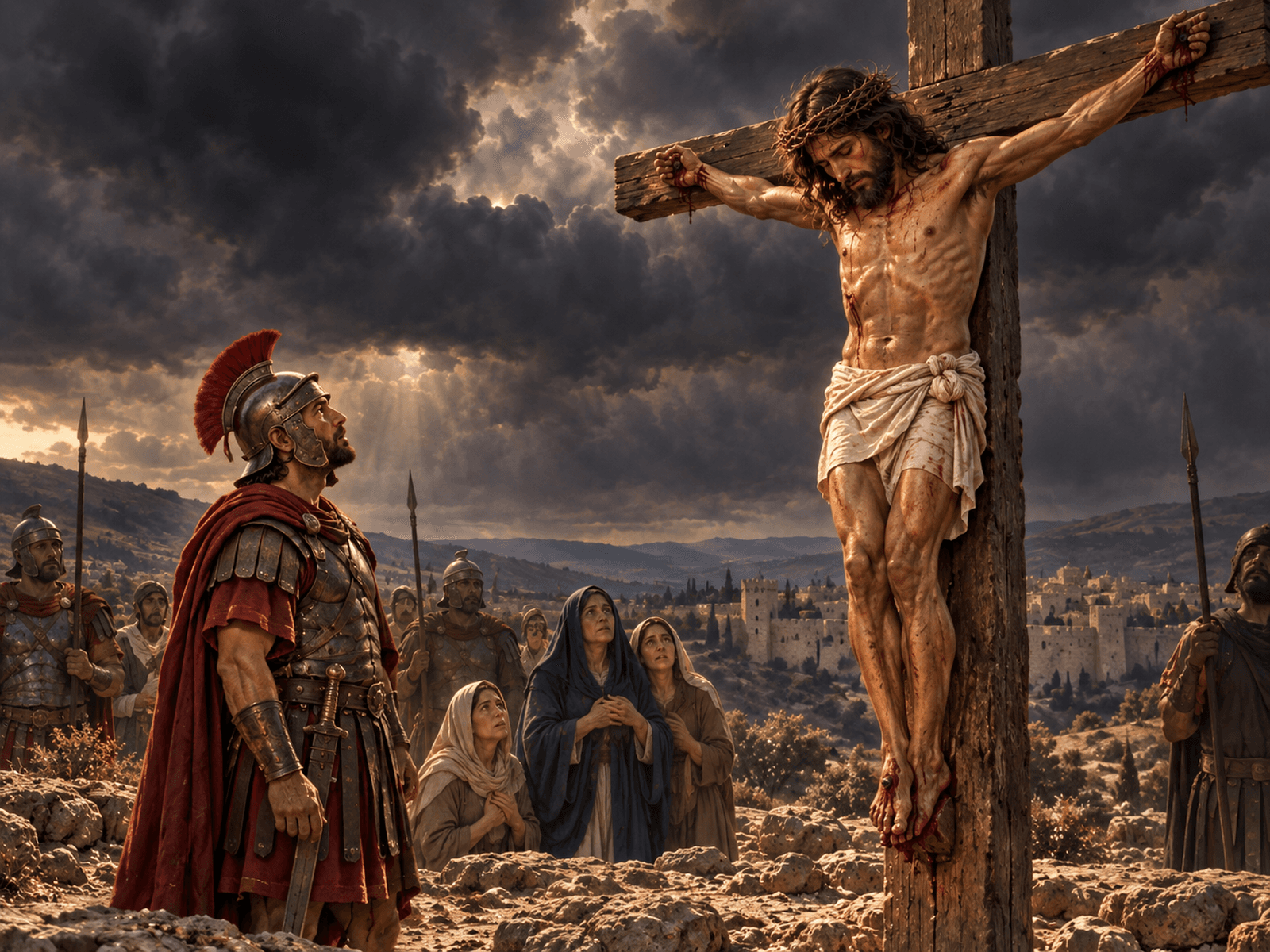
Illustrated scene from Jesus's story: The Death of Jesus (John 19:28–37)
Meet the people of the Bible
Follow their lives in order, with illustrated scenes and Bible passages that tell their stories.
 Jesus

Photo: Gary Todd (Gary Lee Todd, Ph.D.), via Wikimedia Commons. License: CC0 1.0 Universal Public Domain Dedication. Source. Location: Southern end of the Temple Mount, Jerusalem Old City. Resized for the web.
Explore the places of the Bible
See where biblical events happened, why each place matters, and what archaeology helps us understand.
Jerusalem
David's capital, the city of the temple, and the place where Jesus died and rose again.
Get full access with one subscription
Explore the people and places of the Bible. Read summaries of every book, with images and clear explanations covering every chapter. Access all these features and our Bible study tools with one subscription.
See PlansAsk AI about John 19:33
Ask a question about this verse and get a clear answer, with Bible references you can read for yourself.
Every Bible book, explained chapter by chapter
Explore summaries of every book of the Bible, with images and easy-to-understand explanations covering every chapter.
Keep studying John 19:33
Related Bible verses
Key themes
Related topics
At a Glance — the Book of John
- Author
- John the apostle
- Written
- Around AD 85-95
- Genre
- Gospel
- Original Audience
- All believers
Frequently Asked Questions
Quick, clear answers about this verse
What does John 19:33 mean about Jesus' death?
John 19:33 reveals that when the soldiers checked on Jesus after His crucifixion, they found Him already dead. This is significant because it fulfilled the prophecy that none of His bones would be broken, which was a common practice to hasten death in crucifixion. The decision not to break His legs emphasizes the reality of His death and highlights the divine plan behind His sacrifice for humanity.
Why is it important that Jesus' legs were not broken?
The fact that Jesus' legs were not broken is crucial because it fulfills the Old Testament prophecy found in Psalm 34:20, which states that the righteous will have none of their bones broken. This detail underscores the intentionality of God's plan for salvation through Jesus and affirms His identity as the Messiah. It also serves as a reminder of the significance of Jesus' sacrifice and the fulfillment of Scripture.
How does John 19:33 relate to the concept of redemption?
John 19:33 relates to redemption by illustrating the fulfillment of God's plan through Jesus' death. By not breaking His legs, the soldiers inadvertently confirmed that Jesus was the perfect sacrifice, as prophesied. This act of obedience to Scripture highlights the lengths to which God went to provide salvation for humanity, emphasizing that Jesus' death was a necessary part of the redemptive process.
What can we learn from John 19:33 about God's plan?
From John 19:33, we learn that God's plan is intentional and meticulously fulfilled. The fact that Jesus' legs were not broken shows that every detail of His crucifixion was part of a divine purpose. This encourages believers to trust in God's sovereignty and timing, knowing that even in moments of suffering or confusion, there is a greater plan at work for our good and His glory.
Daily Verse — straight to your inbox
A verse and a 2-sentence plain-English explanation, every morning. Free. Unsubscribe anytime.