New Testament
John 2:24
Read the Bible in clear, modern English—easy to understand, faithful to the meaning, and written for everyday readers.
But Jesus did not entrust himself to them, because he knew all people,
Compare translations
But Jesus did not commit himself unto them, because he knew all men,
What John 2:24 means
Plain-English insight for readers
In this verse, we see that Jesus was cautious about placing his trust in people. He understood human nature and the tendency of people to be fickle or insincere. Despite the admiration and excitement of the crowd, Jesus did not let their enthusiasm sway him. He recognized that not everyone who followed him had genuine faith or intentions. This insight into human behavior highlights the importance of discernment in relationships and interactions. Jesus' awareness of people's hearts serves as a reminder that while we can be friendly and open, we should also be wise about whom we trust and how much we invest in others. This does not mean we should be distrustful, but rather that we should seek to understand the motivations of those around us, ensuring our trust is placed wisely and appropriately.
How to apply John 2:24 to your life
In our daily lives, we can learn from Jesus' example by being discerning in our relationships. It's important to build trust gradually and to be aware of people's true intentions. This helps us avoid disappointment and fosters healthier connections with others.
Curated for this public verse page. John Summary
Explore more of the Bible
Learn the Bible through its people and places
Get to know the people in Scripture through illustrated stories, and explore the places where they lived and traveled.
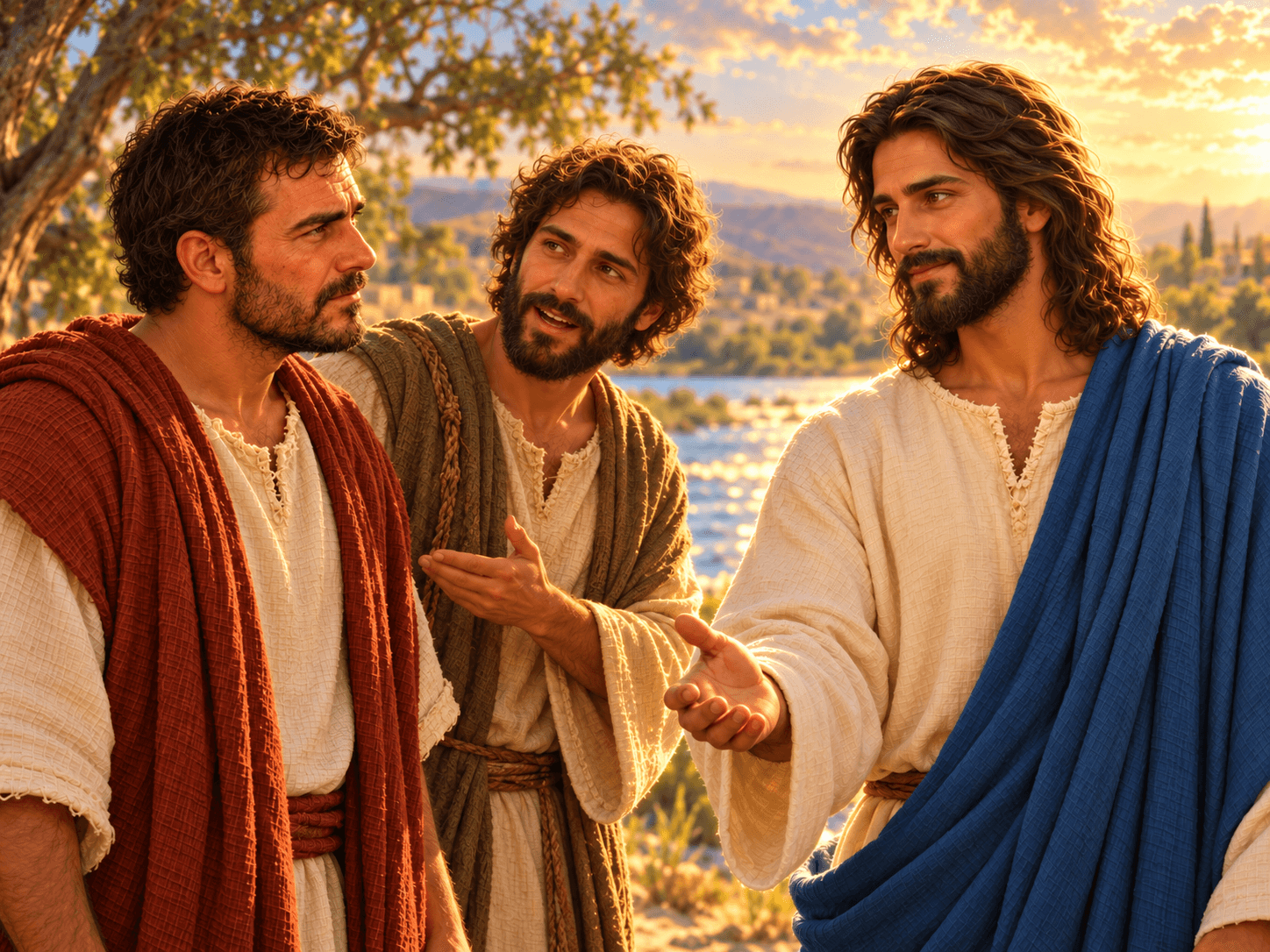
Illustrated scene from Peter's story: Andrew Brings Simon to Jesus (John 1:40–42)
Meet the people of the Bible
Follow their lives in order, with illustrated scenes and Bible passages that tell their stories.
 Peter

Photo: Gary Todd (Gary Lee Todd, Ph.D.), via Wikimedia Commons. License: CC0 1.0 Universal Public Domain Dedication. Source. Location: Southern end of the Temple Mount, Jerusalem Old City. Resized for the web.
Explore the places of the Bible
See where biblical events happened, why each place matters, and what archaeology helps us understand.
Jerusalem
David's capital, the city of the temple, and the place where Jesus died and rose again.
Get full access with one subscription
Explore the people and places of the Bible. Read summaries of every book, with images and clear explanations covering every chapter. Access all these features and our Bible study tools with one subscription.
See PlansAsk AI about John 2:24
Ask a question about this verse and get a clear answer, with Bible references you can read for yourself.
Every Bible book, explained chapter by chapter
Explore summaries of every book of the Bible, with images and easy-to-understand explanations covering every chapter.
Keep studying John 2:24
Related Bible verses
Key themes
Related topics
At a Glance — the Book of John
- Author
- John the apostle
- Written
- Around AD 85-95
- Genre
- Gospel
- Original Audience
- All believers
Frequently Asked Questions
Quick, clear answers about this verse
What does John 2:24 mean?
John 2:24 means that Jesus was careful about who he trusted. He understood that not everyone who appeared to support him had genuine intentions, highlighting the need for discernment in relationships.
What is the meaning of trust in John 2:24?
In John 2:24, trust refers to the confidence Jesus had in understanding people's true nature. He chose not to fully commit himself to those whose faith might not be sincere.
How can we apply John 2:24 in our lives?
We can apply John 2:24 by being discerning in our relationships, taking time to understand people's true intentions before fully trusting them. This helps us build healthier connections.
Why did Jesus not commit himself to the crowd in John 2:24?
Jesus did not commit himself to the crowd because he knew their hearts and that their enthusiasm might not be genuine. He understood the fickle nature of people.
Daily Verse — straight to your inbox
A verse and a 2-sentence plain-English explanation, every morning. Free. Unsubscribe anytime.