New Testament
John 20:6
Read the Bible in clear, modern English—easy to understand, faithful to the meaning, and written for everyday readers.
Then Simon Peter came along behind him and went into the tomb. He saw the linen wrappings lying there,
Compare translations
Then cometh Simon Peter following him, and went into the sepulchre, and seeth the linen clothes lie,
What John 20:6 means
Plain-English insight for readers
In this verse, Simon Peter arrives at the tomb after John, who had reached it first. Peter, showing his boldness and eagerness, enters the tomb to investigate for himself. Inside, he sees the linen wrappings that had been used to wrap Jesus' body. The sight of the wrappings lying there is significant; it suggests that Jesus' body was not stolen, as the wrappings remain undisturbed. This moment marks a pivotal point in the resurrection narrative, as it leads to the realization that Jesus has risen from the dead. The act of Peter entering the tomb symbolizes a deeper exploration of faith and understanding. It highlights the importance of seeking the truth and not just relying on hearsay. Peter's actions encourage believers to investigate their faith and seek personal encounters with the divine, leading to a stronger belief in the resurrection.
How to apply John 20:6 to your life
This verse encourages us to actively seek the truth in our spiritual lives. Like Peter, we should not hesitate to explore our faith deeply and personally. Engaging with our beliefs can lead to a stronger understanding and connection with God, especially in times of uncertainty.
Curated for this public verse page. John Summary
Learn the Bible through its people and places
Get to know the people in Scripture through illustrated stories, and explore the places where they lived and traveled.
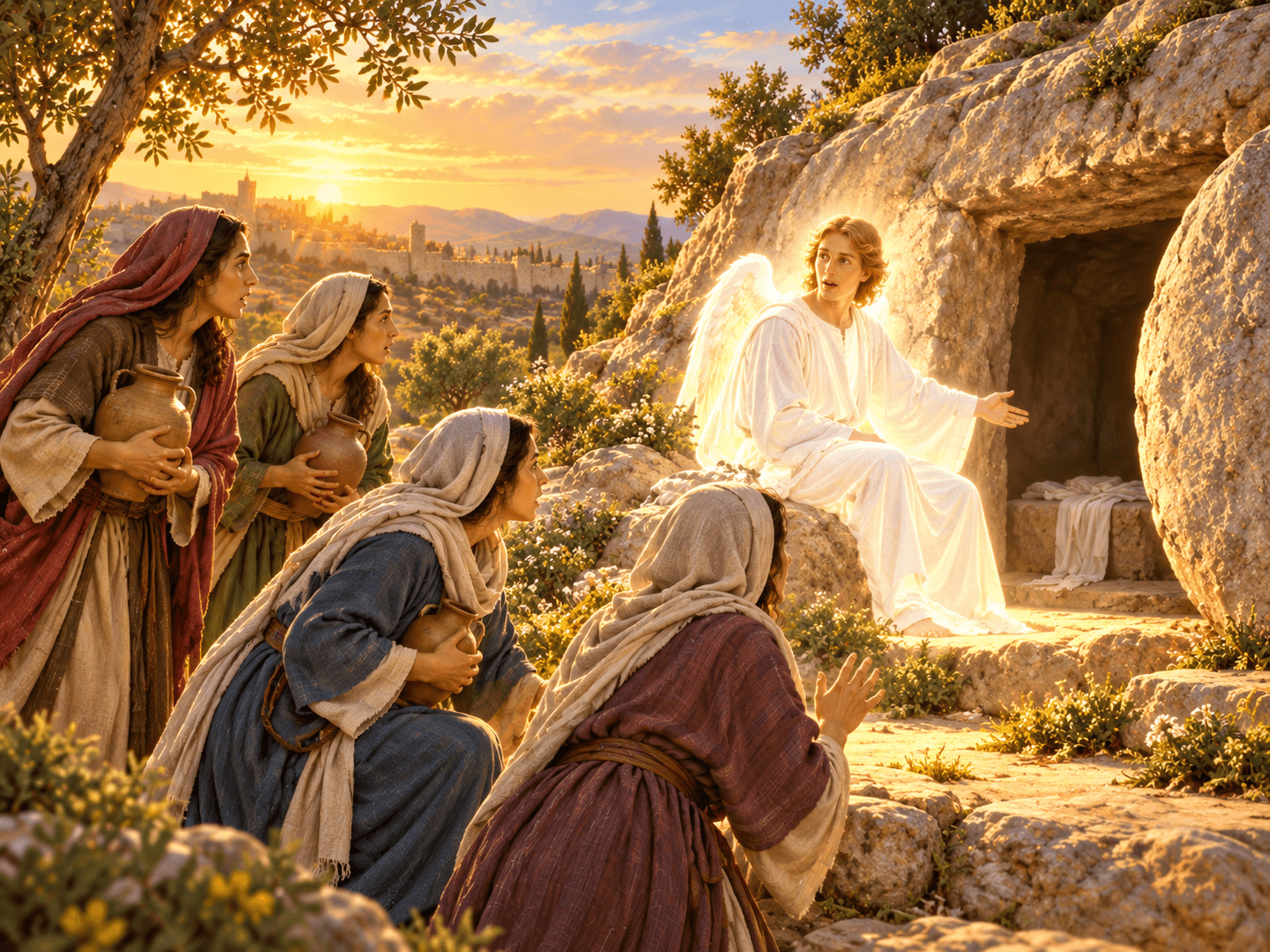
Illustrated scene from Jesus's story: The Empty Tomb (John 20:1–10)
Meet the people of the Bible
Follow their lives in order, with illustrated scenes and Bible passages that tell their stories.
 Jesus

Photo: Gary Todd (Gary Lee Todd, Ph.D.), via Wikimedia Commons. License: CC0 1.0 Universal Public Domain Dedication. Source. Location: Southern end of the Temple Mount, Jerusalem Old City. Resized for the web.
Explore the places of the Bible
See where biblical events happened, why each place matters, and what archaeology helps us understand.
Jerusalem
David's capital, the city of the temple, and the place where Jesus died and rose again.
Get full access with one subscription
Explore the people and places of the Bible. Read summaries of every book, with images and clear explanations covering every chapter. Access all these features and our Bible study tools with one subscription.
See PlansAsk AI about John 20:6
Ask a question about this verse and get a clear answer, with Bible references you can read for yourself.
Every Bible book, explained chapter by chapter
Explore summaries of every book of the Bible, with images and easy-to-understand explanations covering every chapter.
Keep studying John 20:6
Related Bible verses
Key themes
Related topics
At a Glance — the Book of John
- Author
- John the apostle
- Written
- Around AD 85-95
- Genre
- Gospel
- Original Audience
- All believers
Frequently Asked Questions
Quick, clear answers about this verse
What does John 20:6 mean?
John 20:6 describes Simon Peter entering the tomb after John and seeing the linen wrappings left behind. This moment signifies Peter's eagerness to understand the resurrection and suggests that Jesus' body was not stolen, as the wrappings remain undisturbed.
What is the significance of the linen wrappings in John 20:6?
The linen wrappings in John 20:6 are significant because they indicate that Jesus' body was not taken away by thieves. Their presence suggests a miraculous event, reinforcing the belief in the resurrection.
Why did Peter enter the tomb in John 20:6?
Peter entered the tomb in John 20:6 out of curiosity and determination to find out what had happened to Jesus. His actions reflect a deeper exploration of faith and the importance of seeking personal understanding.
How does John 20:6 relate to themes of faith and investigation?
John 20:6 illustrates the theme of faith through Peter's willingness to investigate the empty tomb. It encourages believers to actively seek the truth about their faith rather than relying solely on others' accounts.
Daily Verse — straight to your inbox
A verse and a 2-sentence plain-English explanation, every morning. Free. Unsubscribe anytime.