New Testament
John 21:12
Read the Bible in clear, modern English—easy to understand, faithful to the meaning, and written for everyday readers.
Jesus said to them, "Come and eat." None of the disciples dared ask him, "Who are you?" — knowing that it was the Lord.
Compare translations
Jesus saith unto them, Come and dine. And none of the disciples durst ask him, Who art thou? knowing that it was the Lord.
What John 21:12 means
Plain-English insight for readers
In this verse, Jesus invites his disciples to share a meal with him after his resurrection. The invitation, "Come and eat," signifies fellowship and communion, highlighting the importance of sharing life together. The disciples, despite their previous doubts and fears, recognize Jesus as the Lord without needing to ask for confirmation. This moment emphasizes their growing faith and understanding of who Jesus is. It also reflects the intimacy of their relationship, as eating together was a common practice that fostered connection and trust. The disciples' hesitation to ask Jesus about his identity shows their awe and reverence for him, acknowledging his divine nature. This encounter reassures them of his presence and the reality of his resurrection, reinforcing their mission to spread the Gospel. Overall, this passage illustrates the themes of recognition, fellowship, and the transformative power of Jesus' resurrection in the lives of his followers.
How to apply John 21:12 to your life
This verse encourages us to seek fellowship with Jesus and others. Just as the disciples recognized Jesus in their shared meal, we can find moments of connection and understanding in our relationships. Embrace opportunities for community and spiritual growth.
Curated for this public verse page. John Summary
Learn the Bible through its people and places
Get to know the people in Scripture through illustrated stories, and explore the places where they lived and traveled.
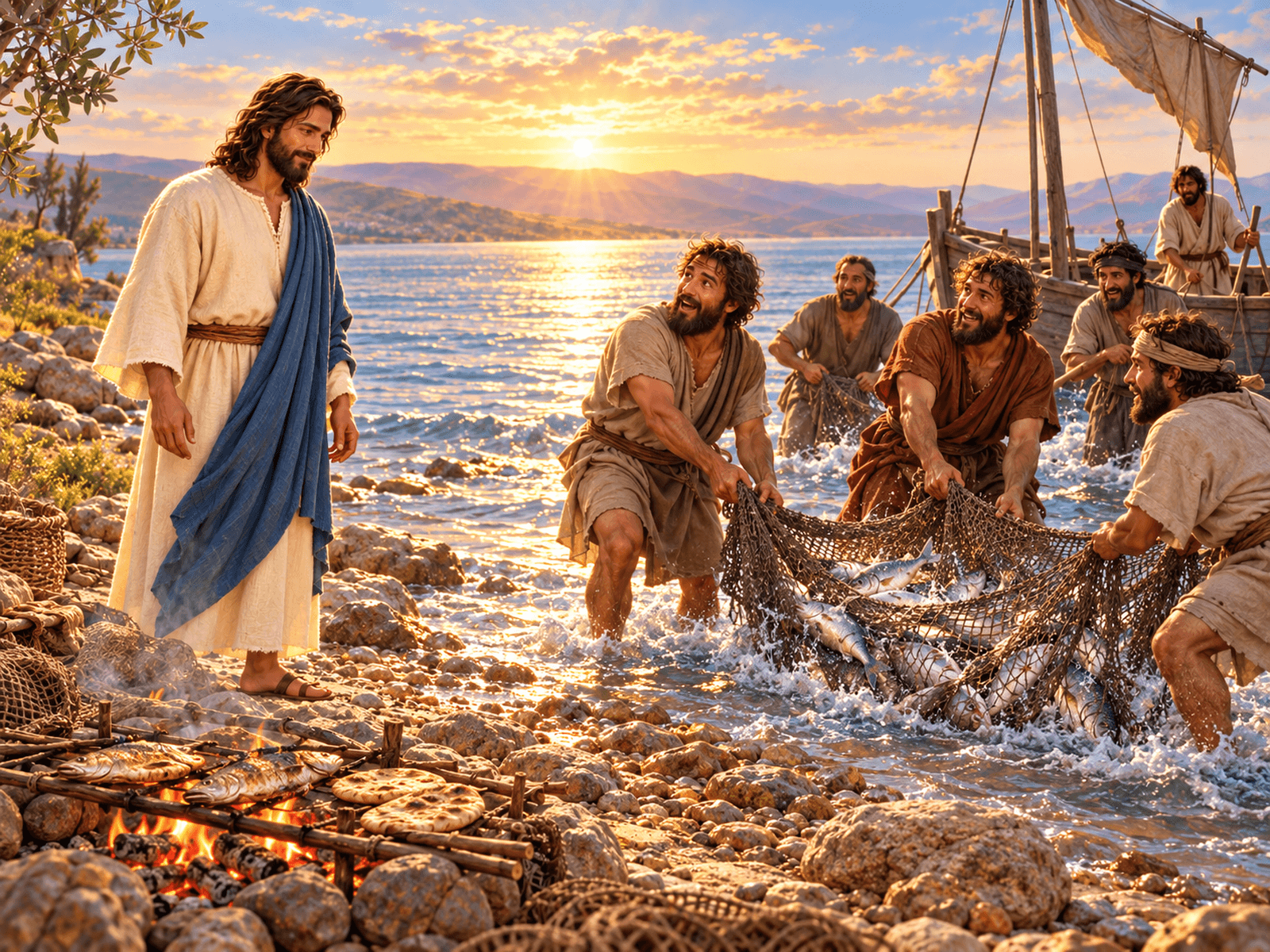
Illustrated scene from Jesus's story: Breakfast by the Sea (John 21:1–14)
Meet the people of the Bible
Follow their lives in order, with illustrated scenes and Bible passages that tell their stories.
 Jesus
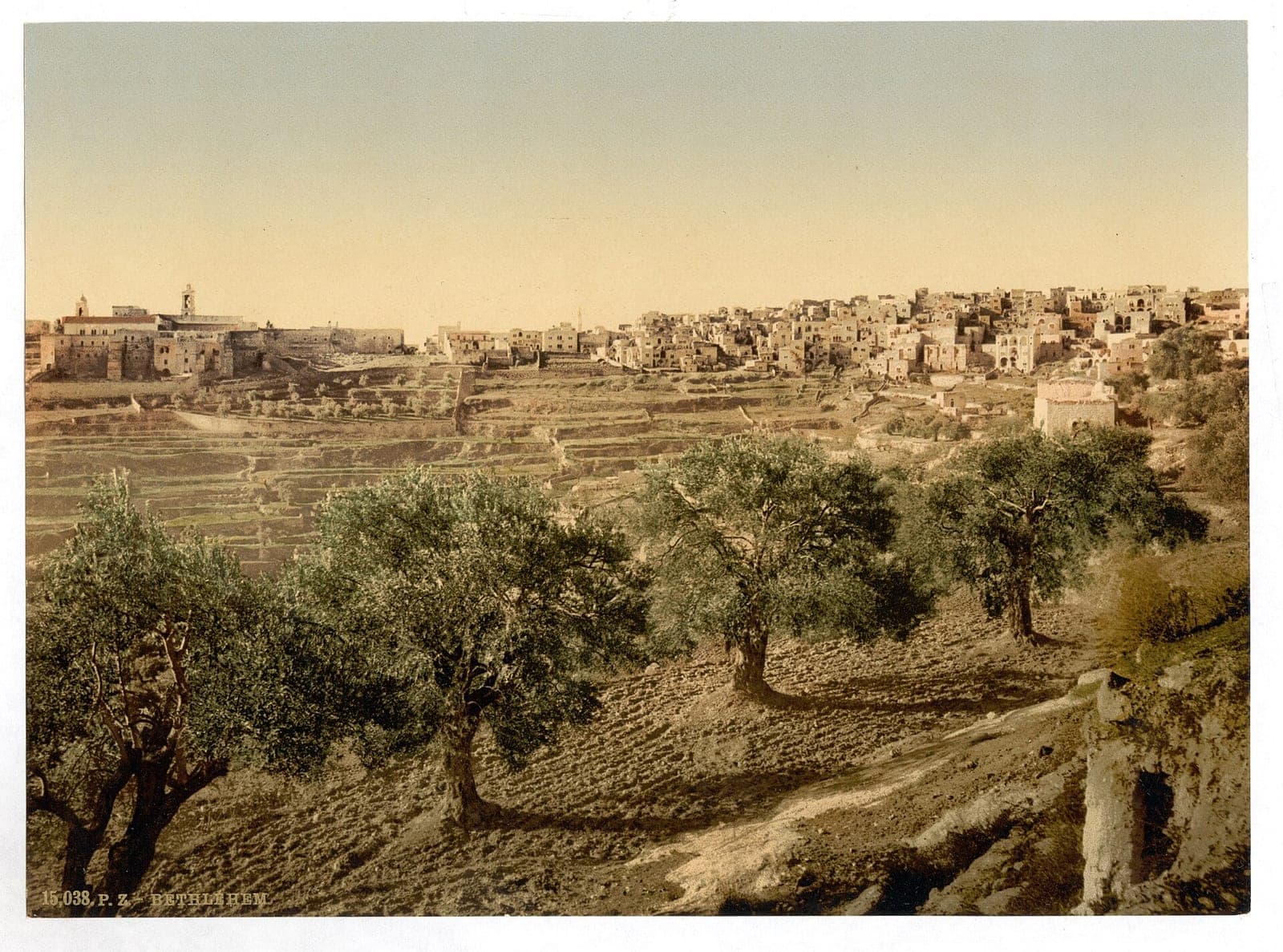
Photo: Photochrom print, Library of Congress Prints and Photographs Division (LCCN 2002724966). License: Public domain in the United States; Library of Congress states no known restrictions on publication. Source. Location: Bethlehem, West Bank; print preserved by the Library of Congress. Resized for the web.
Explore the places of the Bible
See where biblical events happened, why each place matters, and what archaeology helps us understand.
Bethlehem
David's hometown, and the town where Jesus was born.
Get full access with one subscription
Explore the people and places of the Bible. Read summaries of every book, with images and clear explanations covering every chapter. Access all these features and our Bible study tools with one subscription.
See PlansAsk AI about John 21:12
Ask a question about this verse and get a clear answer, with Bible references you can read for yourself.
Every Bible book, explained chapter by chapter
Explore summaries of every book of the Bible, with images and easy-to-understand explanations covering every chapter.
Keep studying John 21:12
Related Bible verses
Key themes
Related topics
At a Glance — the Book of John
- Author
- John the apostle
- Written
- Around AD 85-95
- Genre
- Gospel
- Original Audience
- All believers
Frequently Asked Questions
Quick, clear answers about this verse
What does John 21:12 mean?
John 21:12 describes a post-resurrection appearance of Jesus where he invites his disciples to share a meal. This moment signifies fellowship and the recognition of Jesus as Lord, highlighting the deep connection between him and his followers.
What is the significance of 'Come and eat' in John 21:12?
The phrase 'Come and eat' in John 21:12 emphasizes the importance of fellowship and communion. It illustrates how sharing a meal fosters connection and trust among the disciples and reinforces their relationship with Jesus.
Why did the disciples not ask Jesus who he was in John 21:12?
The disciples did not ask Jesus who he was because they already recognized him as the Lord. Their hesitation reflects their awe and reverence for him, acknowledging his divine nature without needing further confirmation.
What themes are present in John 21:12?
Key themes in John 21:12 include fellowship, recognition, resurrection, faith, intimacy, and the divine nature of Jesus. These themes highlight the significance of the disciples' relationship with Jesus after his resurrection.
Daily Verse — straight to your inbox
A verse and a 2-sentence plain-English explanation, every morning. Free. Unsubscribe anytime.