New Testament
John 6:56
Read the Bible in clear, modern English—easy to understand, faithful to the meaning, and written for everyday readers.
"Whoever eats my flesh and drinks my blood remains in me, and I in him."
Compare translations
He that eateth my flesh, and drinketh my blood, dwelleth in me, and I in him.
What John 6:56 means
Plain-English insight for readers
In this verse, Jesus uses strong imagery to convey the deep connection between Himself and His followers. Eating His flesh and drinking His blood symbolize accepting His sacrifice and fully participating in His life. This metaphor emphasizes the importance of a personal relationship with Christ, where believers are spiritually nourished by Him. It suggests that just as physical food sustains the body, Jesus sustains the soul. The phrase 'remains in me, and I in him' highlights the mutual indwelling of Christ and the believer, indicating a profound unity and commitment. This relationship is not just about belief but involves an active, ongoing participation in the life of Jesus, which transforms the believer's life. It calls for a deep trust and reliance on Christ, recognizing Him as essential for spiritual life and growth. This teaching also foreshadows the Last Supper, where Jesus institutes the practice of communion, inviting His followers to remember His sacrifice and maintain their connection with Him.
How to apply John 6:56 to your life
To apply this teaching, believers should regularly engage in practices that deepen their relationship with Christ, such as prayer, reading Scripture, and participating in communion. These actions help to cultivate a spiritual connection that sustains and transforms their lives.
Curated for this public verse page. John Summary
Learn the Bible through its people and places
Get to know the people in Scripture through illustrated stories, and explore the places where they lived and traveled.
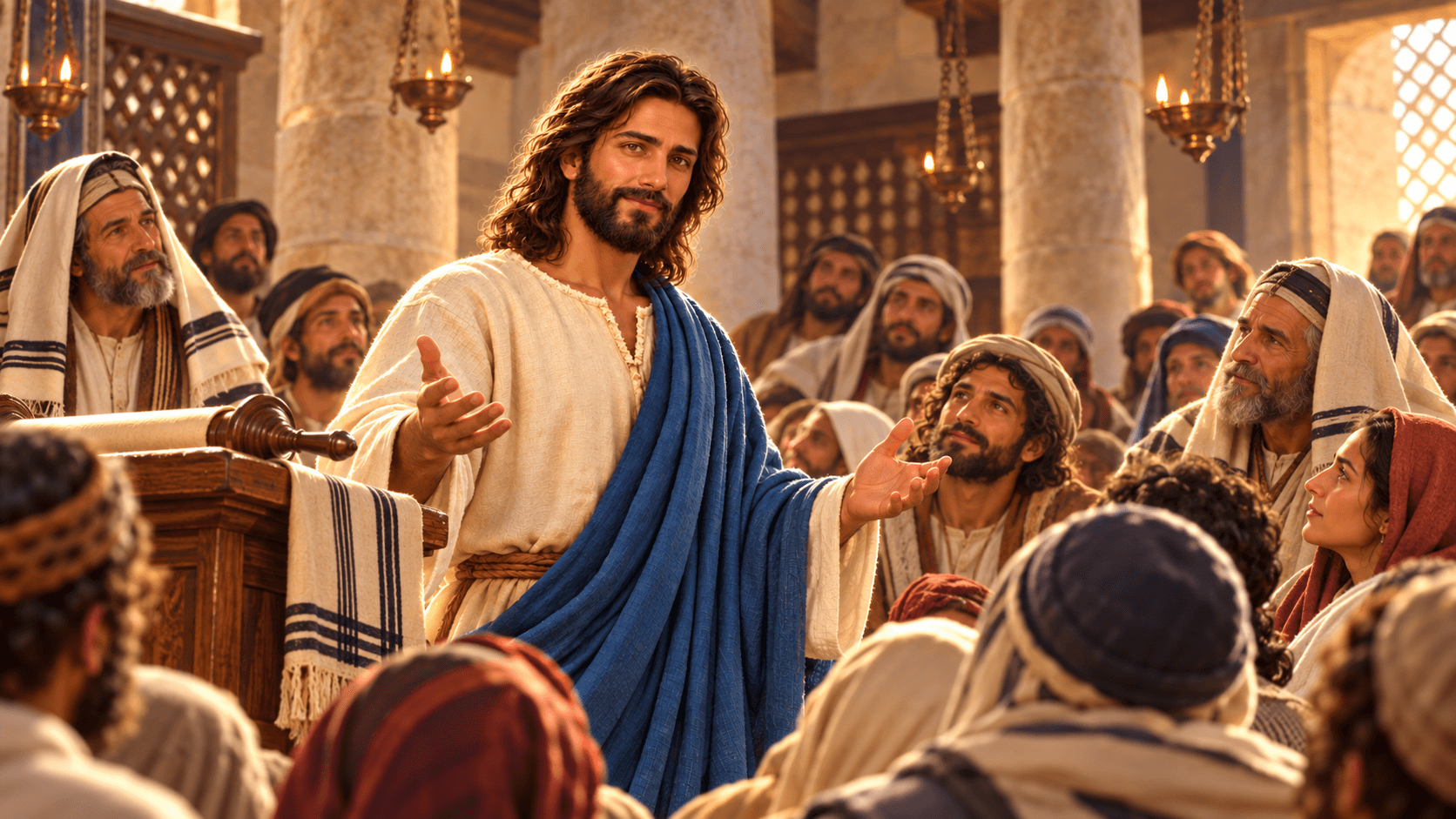
Illustrated scene from Jesus's story: The Bread of Life (John 6:22–71)
Meet the people of the Bible
Follow their lives in order, with illustrated scenes and Bible passages that tell their stories.
 Jesus

Photo: Gary Todd (Gary Lee Todd, Ph.D.), via Wikimedia Commons. License: CC0 1.0 Universal Public Domain Dedication. Source. Location: Southern end of the Temple Mount, Jerusalem Old City. Resized for the web.
Explore the places of the Bible
See where biblical events happened, why each place matters, and what archaeology helps us understand.
Jerusalem
David's capital, the city of the temple, and the place where Jesus died and rose again.
Get full access with one subscription
Explore the people and places of the Bible. Read summaries of every book, with images and clear explanations covering every chapter. Access all these features and our Bible study tools with one subscription.
See PlansAsk AI about John 6:56
Ask a question about this verse and get a clear answer, with Bible references you can read for yourself.
Every Bible book, explained chapter by chapter
Explore summaries of every book of the Bible, with images and easy-to-understand explanations covering every chapter.
Keep studying John 6:56
Related Bible verses
Key themes
At a Glance — the Book of John
- Author
- John the apostle
- Written
- Around AD 85-95
- Genre
- Gospel
- Original Audience
- All believers
Frequently Asked Questions
Quick, clear answers about this verse
What does John 6:56 mean?
John 6:56 means that Jesus is emphasizing the deep connection between Himself and His followers. By 'eating His flesh and drinking His blood,' He is inviting believers to fully accept His sacrifice and participate in His life, highlighting a mutual relationship.
What is the meaning of 'eats my flesh and drinks my blood' in John 6:56?
The phrase 'eats my flesh and drinks my blood' symbolizes accepting Jesus' sacrifice and being spiritually nourished by Him. It signifies a deep, personal relationship with Christ that sustains believers spiritually.
How does John 6:56 relate to communion?
John 6:56 relates to communion as it foreshadows the Last Supper, where Jesus invites His followers to remember His sacrifice. The act of communion symbolizes the ongoing connection and nourishment believers receive from Christ.
What themes are present in John 6:56?
Themes in John 6:56 include communion, spiritual nourishment, unity with Christ, sacrifice, faith, and belief. These themes highlight the importance of a personal relationship with Jesus and the transformative power of His sacrifice.
Daily Verse — straight to your inbox
A verse and a 2-sentence plain-English explanation, every morning. Free. Unsubscribe anytime.