New Testament
John 8:46
Read the Bible in clear, modern English—easy to understand, faithful to the meaning, and written for everyday readers.
"Can any of you prove that I have sinned? If I'm speaking the truth, why don't you believe me?
Compare translations
Which of you convinceth me of sin? And if I say the truth, why do ye not believe me?
What John 8:46 means
Plain-English insight for readers
In this verse, Jesus challenges his listeners to find any evidence of sin in his life. He asserts that if he is telling the truth, their disbelief is unjustified. This statement highlights his sinless nature and the authority of his message. Jesus is emphasizing the importance of truth and integrity, inviting his audience to reflect on their own beliefs and biases. His question serves as a powerful reminder that truth should be recognized and accepted, regardless of personal feelings or preconceived notions. The verse also illustrates the tension between Jesus and those who oppose him, showcasing the struggle between truth and falsehood. By asking why they do not believe him, Jesus points to the spiritual blindness that can prevent people from accepting the truth, even when it is presented clearly. This moment encapsulates the broader theme of faith and the challenge of accepting divine truth in the face of skepticism.
How to apply John 8:46 to your life
This verse encourages us to examine our own beliefs and the reasons behind our doubts. It challenges us to seek truth and be open to recognizing it, even when it contradicts our expectations. By doing so, we can grow in faith and understanding.
Curated for this public verse page. John Summary
Explore more of the Bible
Learn the Bible through its people and places
Get to know the people in Scripture through illustrated stories, and explore the places where they lived and traveled.
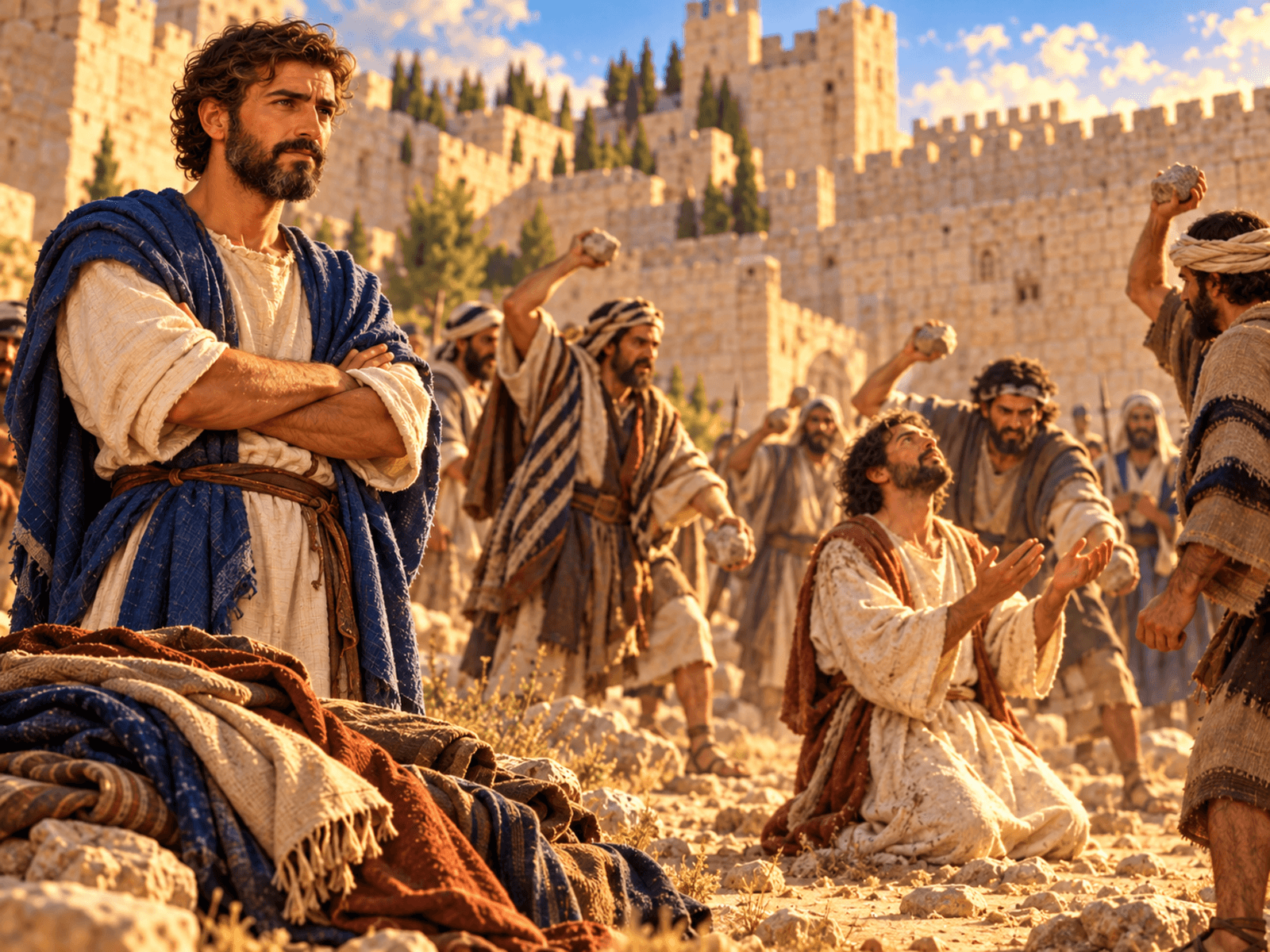
Illustrated scene from Paul's story: The Stoning of Stephen (Acts 7:57–8:2)
Meet the people of the Bible
Follow their lives in order, with illustrated scenes and Bible passages that tell their stories.
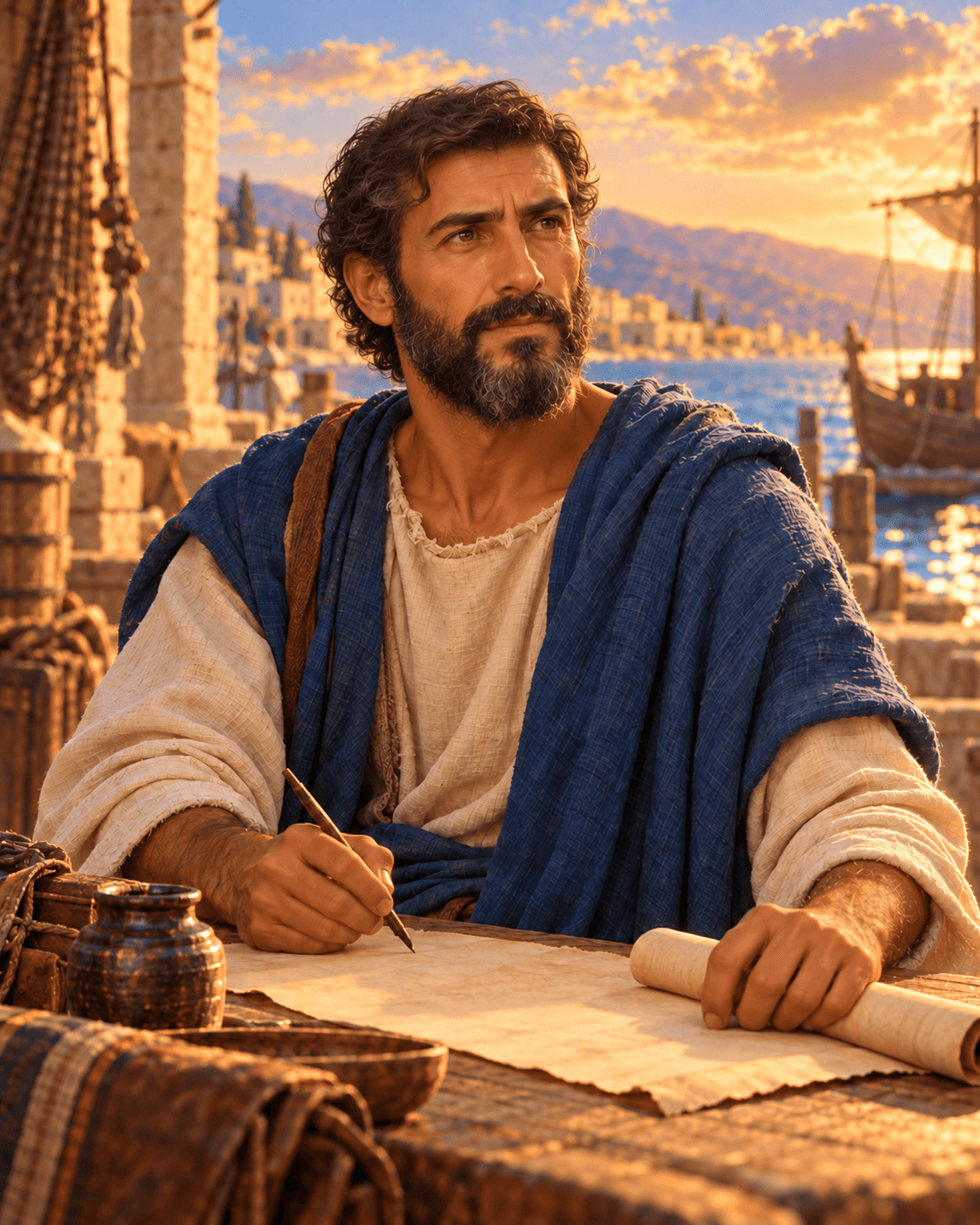 Paul

Photo: Photochrom print, Library of Congress Prints and Photographs Division (LCCN 2002725045). License: Public domain in the United States; Library of Congress states no known restrictions on publication. Source. Location: Nazareth, Israel; print preserved by the Library of Congress. Resized for the web.
Explore the places of the Bible
See where biblical events happened, why each place matters, and what archaeology helps us understand.
Nazareth
The small town in Galilee where Jesus grew up.
Get full access with one subscription
Explore the people and places of the Bible. Read summaries of every book, with images and clear explanations covering every chapter. Access all these features and our Bible study tools with one subscription.
See PlansAsk AI about John 8:46
Ask a question about this verse and get a clear answer, with Bible references you can read for yourself.
Every Bible book, explained chapter by chapter
Explore summaries of every book of the Bible, with images and easy-to-understand explanations covering every chapter.
Keep studying John 8:46
Related Bible verses
At a Glance — the Book of John
- Author
- John the apostle
- Written
- Around AD 85-95
- Genre
- Gospel
- Original Audience
- All believers
Frequently Asked Questions
Quick, clear answers about this verse
What does John 8:46 mean?
In John 8:46, Jesus asks his listeners to identify any sin in his life, asserting that if he speaks the truth, their disbelief is unwarranted. This highlights his sinless nature and the challenge of accepting truth.
What is the significance of truth in John 8:46?
The significance of truth in John 8:46 lies in Jesus' challenge to his audience to recognize and accept truth, regardless of their biases. It emphasizes the importance of integrity and the struggle between truth and skepticism.
How does John 8:46 relate to faith?
John 8:46 relates to faith by illustrating the challenge of believing in truth, even when it contradicts personal expectations. Jesus' question prompts self-reflection on the nature of belief and acceptance of divine truth.
What does Jesus mean by asking, 'Which of you convinceth me of sin?'
By asking, 'Which of you convinceth me of sin?', Jesus is challenging his listeners to find any wrongdoing in him, reinforcing his claim of sinlessness and the validity of his message.
Daily Verse — straight to your inbox
A verse and a 2-sentence plain-English explanation, every morning. Free. Unsubscribe anytime.