Old Testament
Joshua 10:26
Read the Bible in clear, modern English—easy to understand, faithful to the meaning, and written for everyday readers.
Afterward, Joshua struck them down, killed them, and hung them on five trees, where they remained until evening.
Compare translations
And afterward Joshua smote them, and slew them, and hanged them on five trees: and they were hanging upon the trees until the evening.
What Joshua 10:26 means
Plain-English insight for readers
In this verse, Joshua, the leader of the Israelites, defeats a group of kings who had allied against him. After capturing them, he executes them and hangs their bodies on trees as a display of victory. This act serves multiple purposes: it demonstrates the seriousness of their rebellion against God and serves as a warning to others. The hanging until evening signifies a complete and public humiliation of the defeated kings, reinforcing the power of Israel under Joshua's leadership. This event is part of a larger narrative where God supports Israel in their conquest of the Promised Land, emphasizing the importance of obedience to God's commands. The act of hanging the bodies also reflects ancient practices of displaying defeated enemies to deter future opposition. Overall, this verse highlights themes of divine justice, the consequences of rebellion, and the establishment of Israel's authority in the land.
How to apply Joshua 10:26 to your life
This verse reminds us of the importance of standing firm against opposition and the consequences of turning away from God's commands. In our lives, we should seek to uphold justice and righteousness, understanding that our actions have significant implications for ourselves and others. We can also reflect on the importance of humility and the need to rely on God's strength in our challenges.
Curated for this public verse page. Joshua Summary
Explore more of the Bible
Learn the Bible through its people and places
Get to know the people in Scripture through illustrated stories, and explore the places where they lived and traveled.

Illustrated scene from Noah's story: Noah Is Born (Genesis 5:28–32)
Meet the people of the Bible
Follow their lives in order, with illustrated scenes and Bible passages that tell their stories.
 Noah
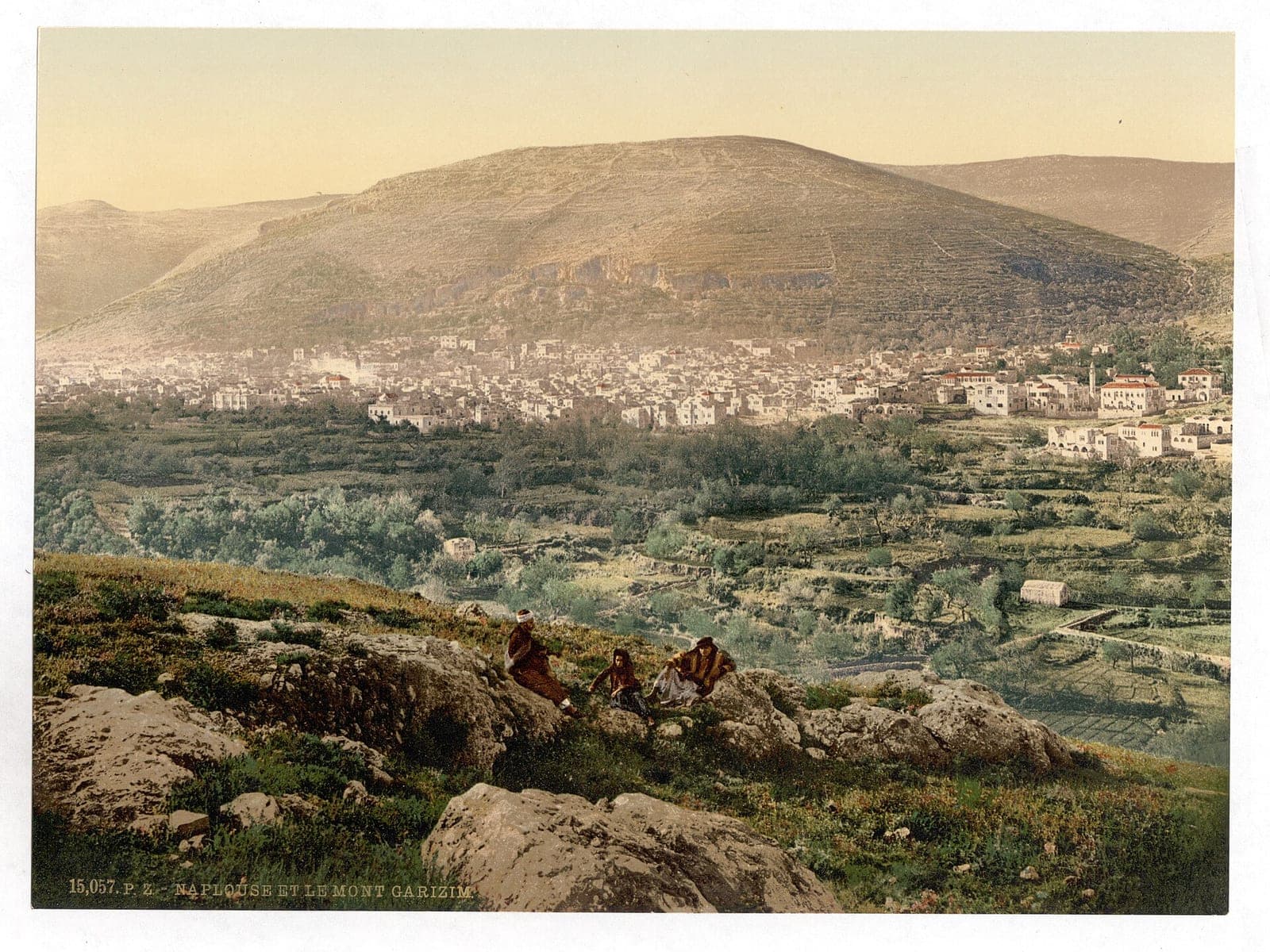
Photo: Photochrom print, Library of Congress Prints and Photographs Division (LCCN 2002725043). License: Public domain in the United States; Library of Congress states no known restrictions on publication. Source. Location: Nablus and Mount Gerizim, West Bank; print preserved by the Library of Congress. Resized for the web.
Explore the places of the Bible
See where biblical events happened, why each place matters, and what archaeology helps us understand.
Shechem
Where God promised the land to Abram, and where Joshua led Israel to renew the covenant.
Get full access with one subscription
Explore the people and places of the Bible. Read summaries of every book, with images and clear explanations covering every chapter. Access all these features and our Bible study tools with one subscription.
See PlansAsk AI about Joshua 10:26
Ask a question about this verse and get a clear answer, with Bible references you can read for yourself.
Every Bible book, explained chapter by chapter
Explore summaries of every book of the Bible, with images and easy-to-understand explanations covering every chapter.
Keep studying Joshua 10:26
Related Bible verses
Key themes
At a Glance — the Book of Joshua
- Author
- Traditionally attributed to Joshua and later compilers
- Written
- Around 1400-1370 BC
- Genre
- Historical narrative
- Original Audience
- The Israelites entering Canaan
Frequently Asked Questions
Quick, clear answers about this verse
What does Joshua 10:26 mean?
Joshua 10:26 describes how Joshua defeated a group of kings who opposed Israel and executed them, hanging their bodies on trees as a display of victory and a warning to others. This act emphasizes the consequences of rebellion against God and reinforces Israel's authority.
What is the significance of hanging bodies in Joshua 10:26?
Hanging the bodies of the defeated kings in Joshua 10:26 served as a public display of humiliation and a deterrent against future rebellion. It reflects ancient practices of showcasing defeated enemies to demonstrate power and authority.
What themes are present in Joshua 10:26?
Joshua 10:26 encompasses themes of divine justice, victory over opposition, obedience to God, and the consequences of rebellion. It illustrates the establishment of Israel's authority in the Promised Land.
Daily Verse — straight to your inbox
A verse and a 2-sentence plain-English explanation, every morning. Free. Unsubscribe anytime.