Old Testament
Joshua 13:19
Read the Bible in clear, modern English—easy to understand, faithful to the meaning, and written for everyday readers.
Kirjathaim, Sibmah, and Zarethshahar on the hill in the valley,
Compare translations
And Kirjathaim, and Sibmah, and Zarethshahar in the mount of the valley,
What Joshua 13:19 means
Plain-English insight for readers
In Joshua 13:19, the verse lists three locations: Kirjathaim, Sibmah, and Zarethshahar, which are situated in a mountainous area within a valley. This geographical detail highlights the importance of these places in the context of the land distribution among the tribes of Israel. Each location likely had its own significance, whether for agriculture, defense, or trade. The mention of these towns reflects the careful planning and organization of the Israelites as they settled in the Promised Land. Understanding these locations helps us appreciate the historical and cultural context of the Israelites' journey and their claim to the land. It also emphasizes God's promise to provide them with a homeland, fulfilling His covenant with their ancestors. The verse serves as a reminder of the importance of land and heritage in biblical narratives, illustrating how God guided His people to their rightful places.
How to apply Joshua 13:19 to your life
This verse encourages us to recognize the importance of our own heritage and the places we come from. Just as the Israelites were given specific lands, we can appreciate our roots and the significance of our communities. Reflecting on our backgrounds can help us understand our identity and purpose.
Curated for this public verse page. Joshua Summary
Explore more of the Bible
Learn the Bible through its people and places
Get to know the people in Scripture through illustrated stories, and explore the places where they lived and traveled.

Illustrated scene from Esther's story: Esther Becomes Queen (Esther 2:1–18)
Meet the people of the Bible
Follow their lives in order, with illustrated scenes and Bible passages that tell their stories.
 Esther
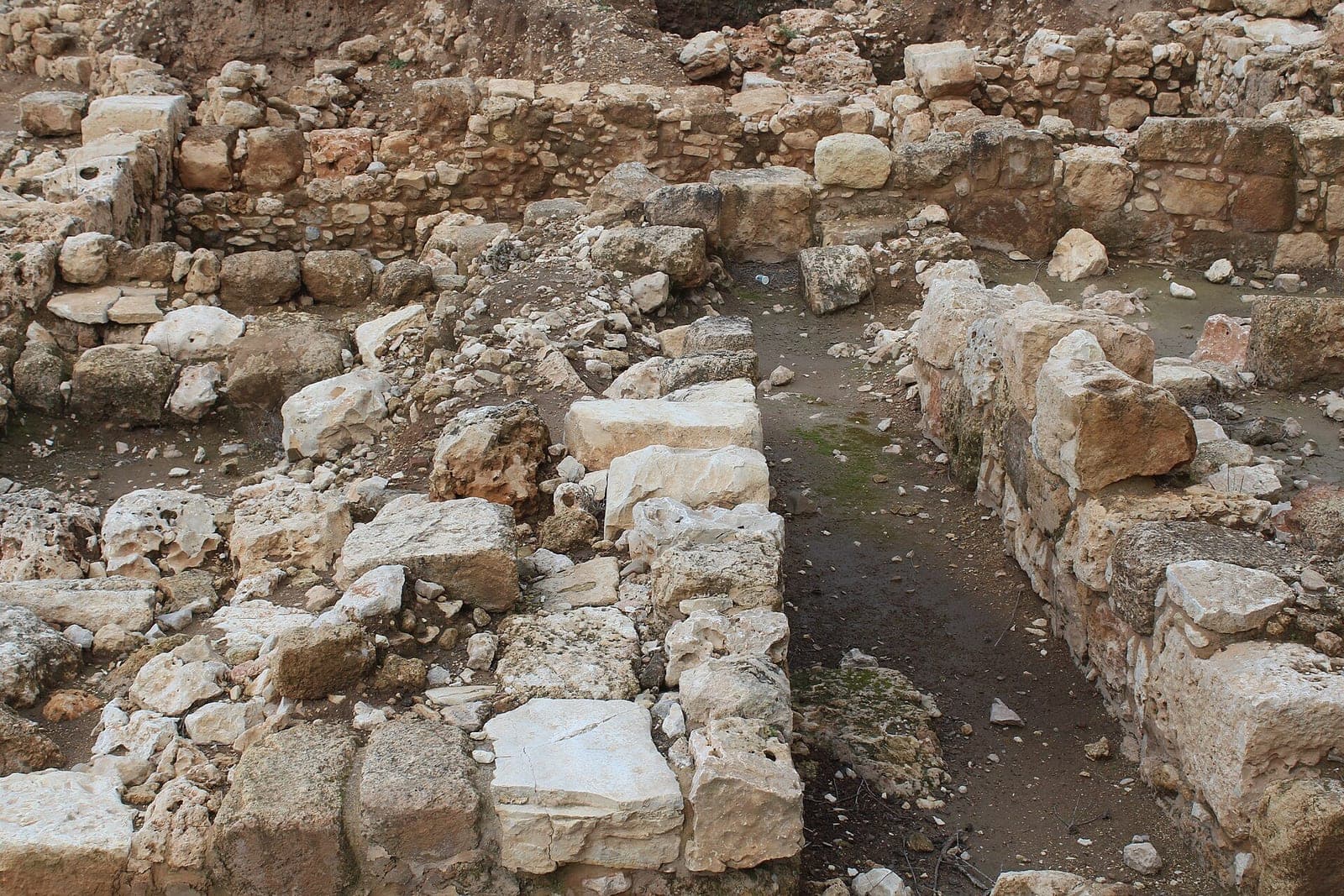
Photo: Deror Avi, via Wikimedia Commons. License: CC BY-SA 4.0. Source. Location: Tel Shiloh archaeological site, West Bank. Resized for the web.
Explore the places of the Bible
See where biblical events happened, why each place matters, and what archaeology helps us understand.
Shiloh
Where Israel set up the tabernacle, and where God called the boy Samuel.
Get full access with one subscription
Explore the people and places of the Bible. Read summaries of every book, with images and clear explanations covering every chapter. Access all these features and our Bible study tools with one subscription.
See PlansAsk AI about Joshua 13:19
Ask a question about this verse and get a clear answer, with Bible references you can read for yourself.
Every Bible book, explained chapter by chapter
Explore summaries of every book of the Bible, with images and easy-to-understand explanations covering every chapter.
Keep studying Joshua 13:19
Related Bible verses
Key themes
Related topics
At a Glance — the Book of Joshua
- Author
- Traditionally attributed to Joshua and later compilers
- Written
- Around 1400-1370 BC
- Genre
- Historical narrative
- Original Audience
- The Israelites entering Canaan
Frequently Asked Questions
Quick, clear answers about this verse
What does Joshua 13:19 mean?
Joshua 13:19 lists three locations—Kirjathaim, Sibmah, and Zarethshahar—highlighting their geographical significance in the land distribution among the tribes of Israel. This verse emphasizes the careful planning of the Israelites as they settled in the Promised Land.
What is the significance of Kirjathaim in Joshua 13:19?
Kirjathaim, mentioned in Joshua 13:19, is one of the towns allocated to the Israelites, indicating its importance in their settlement and heritage. Its location in a mountainous area within a valley suggests it may have had strategic or agricultural value.
What does Zarethshahar refer to in Joshua 13:19?
Zarethshahar, as mentioned in Joshua 13:19, is one of the towns listed in the land distribution among the tribes of Israel. Its inclusion highlights the organized approach the Israelites took in claiming their promised land.
What is the context of Joshua 13:19?
Joshua 13:19 is part of a larger narrative where the land of Canaan is being divided among the tribes of Israel. This verse specifically identifies three towns that were significant for settlement and reflects God's promise to provide a homeland for His people.
Daily Verse — straight to your inbox
A verse and a 2-sentence plain-English explanation, every morning. Free. Unsubscribe anytime.