Old Testament
Joshua 24:1
Read the Bible in clear, modern English—easy to understand, faithful to the meaning, and written for everyday readers.
Joshua gathered all the tribes of Israel at Shechem. He called for the elders, the leaders, the judges, and the officers, and they all presented themselves before God.
Compare translations
And Joshua gathered all the tribes of Israel to Shechem, and called for the elders of Israel, and for their heads, and for their judges, and for their officers; and they presented themselves before God.
What Joshua 24:1 means
Plain-English insight for readers
In this verse, Joshua, the leader of the Israelites, calls a significant assembly at Shechem, a central location in their history. He gathers all the tribes, along with their elders, leaders, judges, and officers, to present themselves before God. This gathering signifies a moment of unity and collective responsibility among the Israelites. It is a time for reflection on their covenant with God and their commitment to follow His commands. By calling everyone together, Joshua emphasizes the importance of community in faith and decision-making. The act of presenting themselves before God indicates their desire to seek His guidance and reaffirm their allegiance to Him. This moment sets the stage for Joshua to remind the people of their history, the blessings they have received, and the choices they must make moving forward. It highlights the importance of leadership and accountability in the community of believers, as they collectively seek to honor God in their lives.
How to apply Joshua 24:1 to your life
This verse encourages us to gather as a community to seek God's guidance in our lives. It reminds us of the importance of leadership and collective responsibility in our faith journey. We should regularly come together to reflect on our commitments to God and support one another.
Curated for this public verse page. Joshua Summary
Learn the Bible through its people and places
Get to know the people in Scripture through illustrated stories, and explore the places where they lived and traveled.

Illustrated scene from Joshua's story: “Choose You This Day” (Joshua 24:1–28)
Meet the people of the Bible
Follow their lives in order, with illustrated scenes and Bible passages that tell their stories.
 Joshua
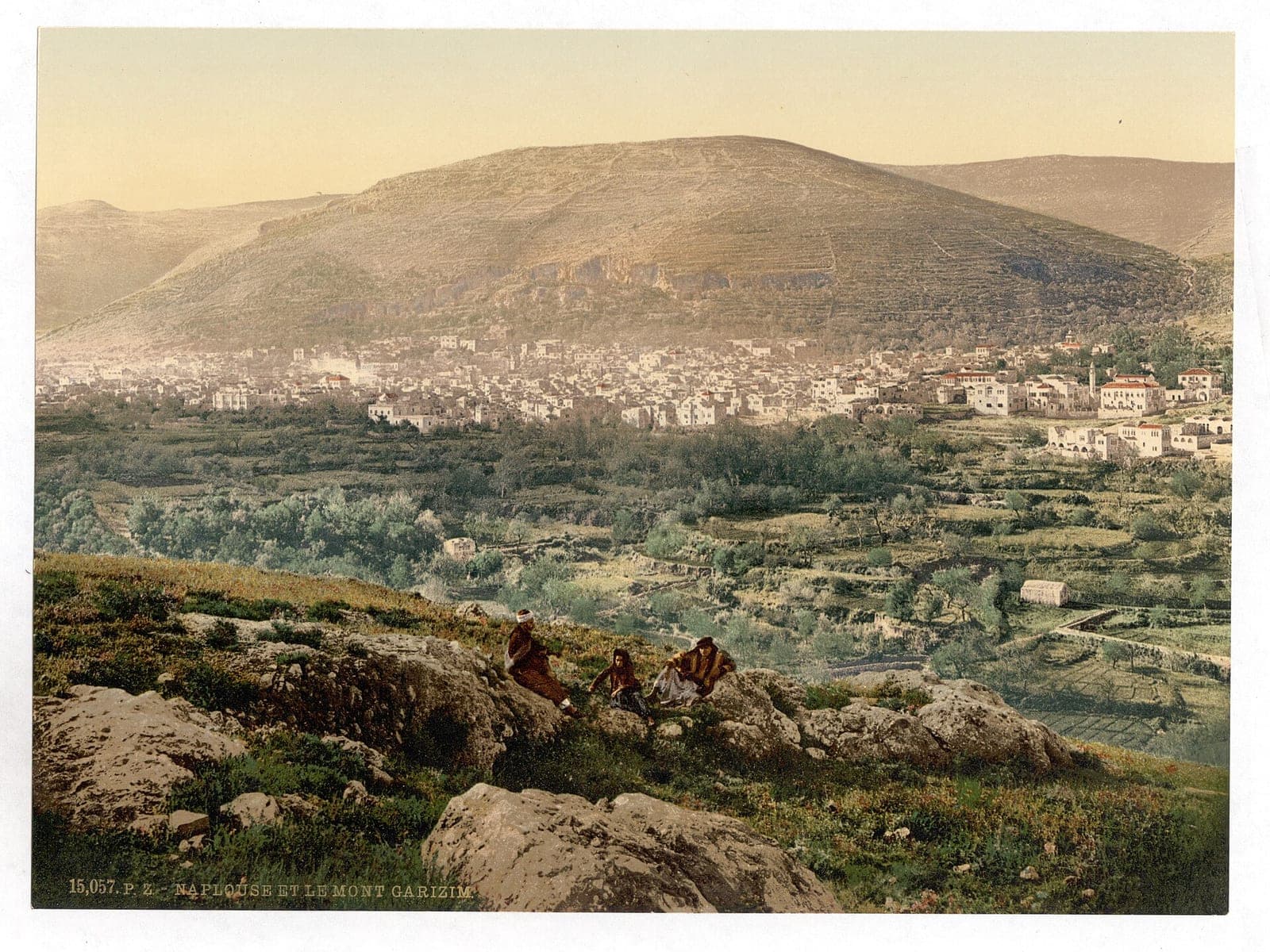
Photo: Photochrom print, Library of Congress Prints and Photographs Division (LCCN 2002725043). License: Public domain in the United States; Library of Congress states no known restrictions on publication. Source. Location: Nablus and Mount Gerizim, West Bank; print preserved by the Library of Congress. Resized for the web.
Explore the places of the Bible
See where biblical events happened, why each place matters, and what archaeology helps us understand.
Shechem
Where God promised the land to Abram, and where Joshua led Israel to renew the covenant.
Get full access with one subscription
Explore the people and places of the Bible. Read summaries of every book, with images and clear explanations covering every chapter. Access all these features and our Bible study tools with one subscription.
See PlansAsk AI about Joshua 24:1
Ask a question about this verse and get a clear answer, with Bible references you can read for yourself.
Every Bible book, explained chapter by chapter
Explore summaries of every book of the Bible, with images and easy-to-understand explanations covering every chapter.
Keep studying Joshua 24:1
Related Bible verses
Key themes
Related topics
At a Glance — the Book of Joshua
- Author
- Traditionally attributed to Joshua and later compilers
- Written
- Around 1400-1370 BC
- Genre
- Historical narrative
- Original Audience
- The Israelites entering Canaan
Frequently Asked Questions
Quick, clear answers about this verse
What is the significance of Joshua gathering the tribes at Shechem?
Joshua's gathering of the tribes at Shechem is significant because it represents a pivotal moment in Israel's history. Shechem was a central location where important events occurred, including the renewal of the covenant between God and His people. By calling the elders, leaders, judges, and officers together, Joshua emphasizes unity and collective responsibility, reminding the Israelites of their commitment to God and the importance of community in their faith.
How does this verse relate to leadership in faith communities?
This verse highlights the role of leadership in faith communities by showcasing Joshua as a strong leader who brings people together for a common purpose. It illustrates the importance of leaders in guiding their communities, fostering unity, and encouraging collective decision-making. Effective leadership involves not only directing but also facilitating gatherings where members can reflect on their faith and responsibilities to God.
What lessons can we learn about community from Joshua 24:1?
Joshua 24:1 teaches us the importance of community in our spiritual lives. It encourages believers to come together regularly to seek God's guidance, support one another, and reflect on their commitments to their faith. This verse reminds us that faith is not just an individual journey but a collective one, where accountability and unity play crucial roles in honoring God and fulfilling His purposes.
How can we apply the themes of this verse in our daily lives?
To apply the themes of Joshua 24:1 in our daily lives, we can prioritize gathering with fellow believers for prayer, worship, and reflection. We should actively participate in our faith communities, support our leaders, and hold each other accountable in our spiritual journeys. By doing so, we reinforce our commitments to God and foster a sense of unity and shared responsibility in living out our faith.
Daily Verse — straight to your inbox
A verse and a 2-sentence plain-English explanation, every morning. Free. Unsubscribe anytime.